

 English
 中文简体
中文简体Suppose your product development team is testing two samples of dried carrot dices. One supplier sends a product that rehydrates softly after ten minutes in boiling water; another sends a product that stays firm for twenty minutes. Neither batch is wrong. The difference is in the preservation method used before the vegetables entered your production line. IQF technology, or Individual Quick Freezing, is one such method. Understanding how it works helps you decide which ingredient format fits your recipe, your production schedule, and your logistics costs.
Content
What is IQF technology?
The clearest way to define IQF technology is by its result: it produces free-flowing frozen pieces that do not stick together. The food is moved through a low-temperature chamber where cold air or cryogenic gas removes heat fast enough to freeze each piece on its own. Typical operating temperatures sit between -18°C and -40°C, and some systems go lower.
Block freezing, which is the older approach, turns a bag of vegetables into a solid mass. To use ten percent of that mass, you must thaw the whole bag. With IQF, each piece is independent. You pour out the exact quantity, weigh it, then return the rest to the freezer without exposing it to moisture or waste.
How the IQF freezing process works
IQF removes heat faster than water can form large ice crystals. This is the core of the process. Between roughly -1°C and -5°C, water passes through a critical band where crystals grow. If the temperature drops too slowly, sharp crystals can puncture cell walls and cause drip loss after thawing. IQF systems reduce the temperature quickly, so water forms many small microcrystals inside the plant tissue. The structure stays intact, and the thawed product looks and tastes closer to fresh.
Main types of IQF equipment
- Tunnel freezers: a conveyor belt moves food through a cold-air chamber. This is a simple and dependable option for many vegetables and fruits.
- Spiral freezers: the conveyor is arranged in a vertical spiral to save floor space and handle larger production volumes.
- Fluidized bed freezers: a strong air stream lifts small items such as diced carrots, sweet corn, or peas and freezes them while they are suspended. This method is especially common for IQF vegetables.
IQF versus dehydration: two preservation routes with different tradeoffs
Both IQF and dehydration control spoilage, but they achieve it by opposing mechanisms. Drying removes water until the moisture content is too low for bacteria and moulds to survive. The result is a shelf-stable product that can sit in a warehouse at ambient temperature without refrigeration. Freezing keeps the water present and lowers the temperature to a point where microbial activity stops. The product stays wet, and the cold chain must continue from the supplier to your processing line.
This difference affects the final dish. Dehydrated carrots are made for soups, sauces, and dry mixes where moisture will come back through boiling. IQF carrots are made for ready meals and frozen blends where a firmer texture has to survive reheating. Understanding the intended end-use decides which ingredient makes sense for your product.
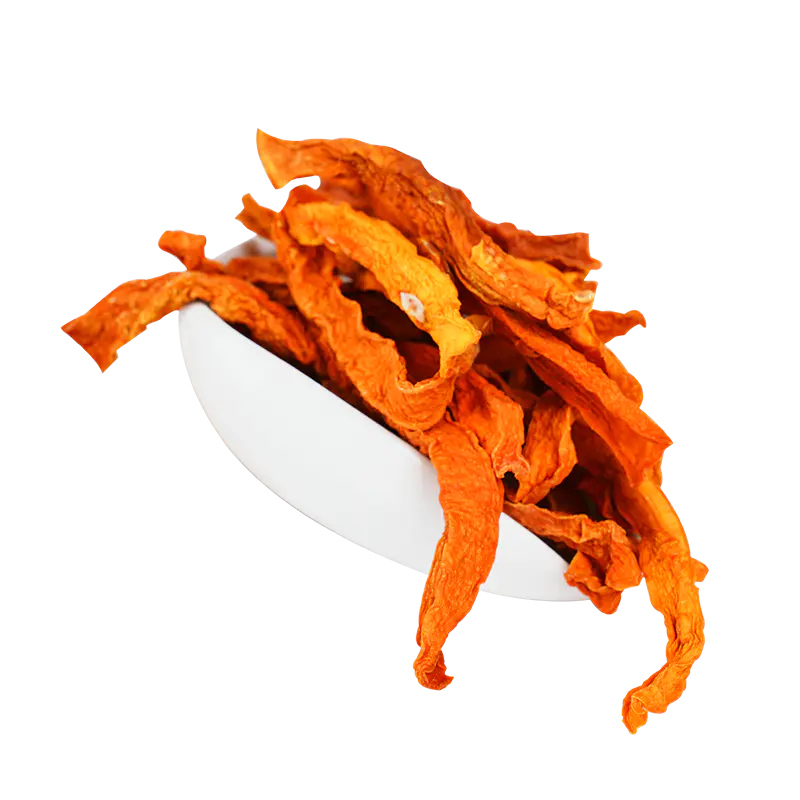
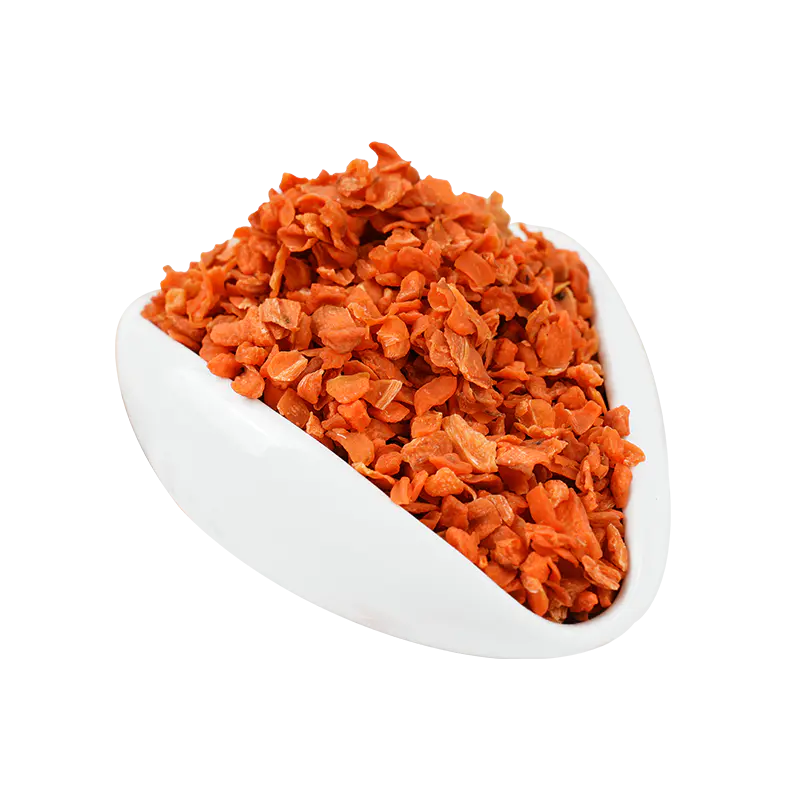 Dehydrated Carrots for Soups and Ready MealsDehydrated carrots retain nutrients and color, ideal for soups, dry mixes, and instant products. They offer shelf stability and easy rehydration, making them a practical choice where fresh texture is not required.View Product →
The same logic applies to powders. A dry soup mix may rely on onion powder for flavor without adding water activity. If the same manufacturer uses IQF onions in another recipe, the chef will notice the difference in moisture release and texture at the moment of cooking. Powdered ingredients offer a long shelf life and low transportation cost, but they are not interchangeable with frozen products.
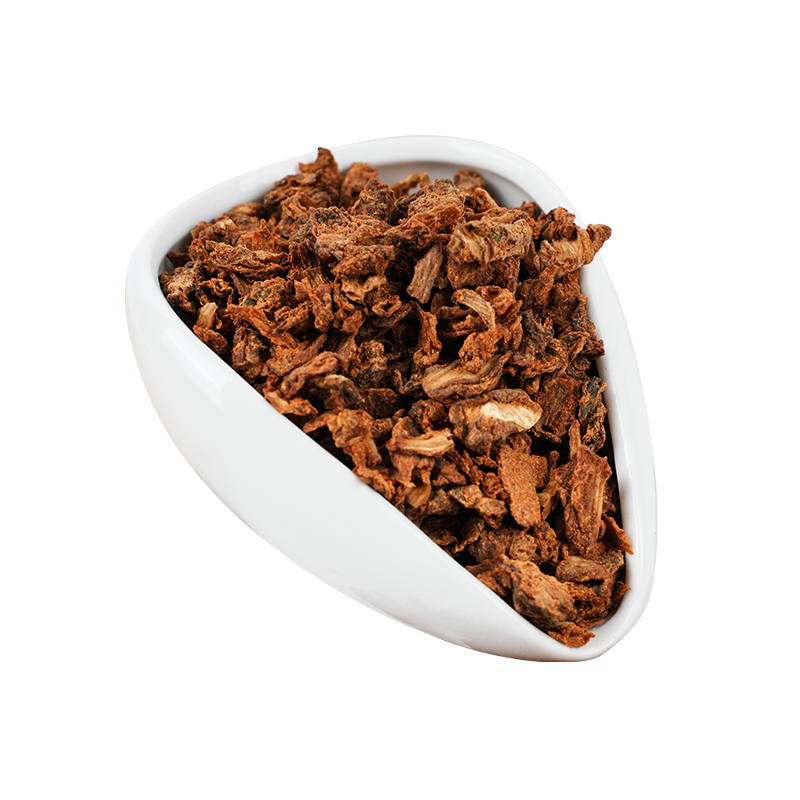
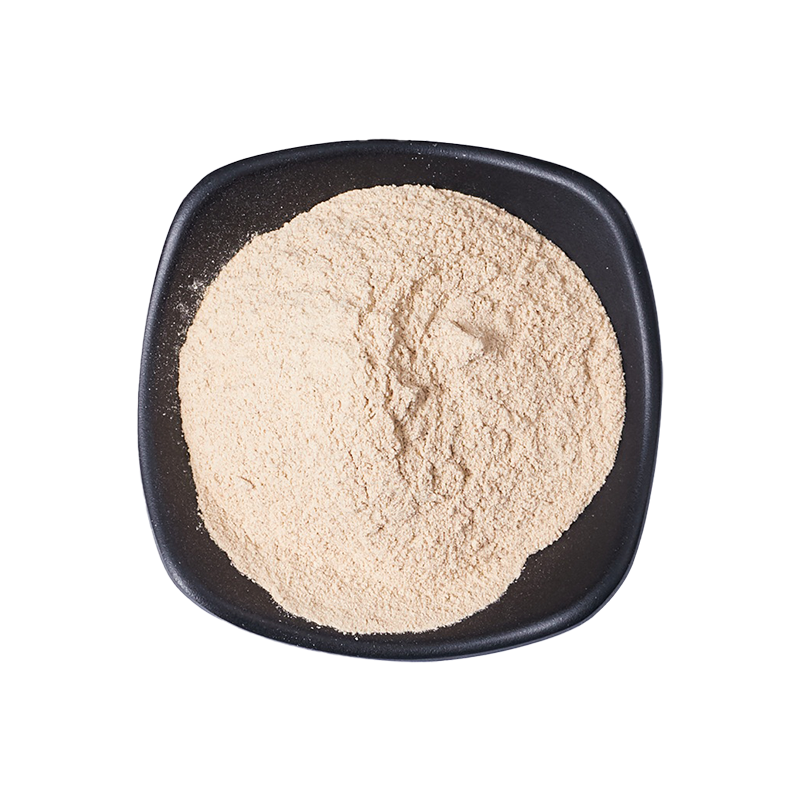 Dehydrated Onion Powder for Flavor and Shelf LifeDehydrated onion powder delivers concentrated savory flavor with long shelf stability. It suits dry seasonings, snack foods, and convenience meals, providing a cost-effective alternative to fresh onions in manufacturing.View Product →
Four procurement factors when evaluating IQF and dehydrated ingredients
The biggest purchasing risk is not selecting the wrong method on paper. It is missing a specification that changes how the product performs in your factory. The table below summarizes the dimensions that matter most when comparing the two.
| Parameter | IQF frozen vegetables | Dehydrated vegetables |
|---|---|---|
| Moisture content / water activity | High; product remains wet | Low; typically 0.20 to 0.35 water activity |
| Room-temperature shelf life | Limited; requires continuous cold chain | Extended; no refrigeration needed |
| Rehydration time | Short; thawed in minutes or cooked straight from frozen | Requires boiling, soaking, or steam |
| Transport and logistics | Refrigerated containers and cold warehouse | Standard dry container; lower shipping complexity |
| Typical applications | Frozen ready meals, frozen soups, mixed vegetable blends | Soup bases, dry seasonings, snack coatings, convenience mixes |
When a dehydrated vegetable supplier is qualified for your project, ask for moisture content, water activity, bulk density, and rehydration ratio. These values tell you how much product will go into each batch and how it will react in your cooking process. For IQF suppliers, the relevant questions are freezing temperature, piece size uniformity, cold-chain integrity, and freeze-thaw stability.
Storage conditions also influence final quality. Even the best dehydrated vegetables can lose color and aroma if exposed to humid air. Long-term planning should include proper storage practices.
Why IQF awareness matters for your supply chain
For a company supplying dehydrated vegetables, knowing IQF technology does not mean building a freezing line. It means being able to advise customers on the correct ingredient for each recipe. In B2B trade, buyers often compare two product formats from different suppliers. If a customer asks whether a frozen ingredient can replace a dried one, the answer must come from a technical place: water activity, thawing behavior, and application method.
This matters because mistakes in food ingredients are expensive. A frozen carrot that is cooked in a soup base will release too much moisture too early. A dried carrot used in a ready meal will take too long to rehydrate and remain stiff. Understanding both technologies lets a supplier guide the buyer toward the right product before the order reaches the factory.
Another practical angle is shelf life planning. IQF vegetables have a frozen shelf life of 12 to 24 months under ideal conditions. Dehydrated vegetables can last 18 to 36 months in dry storage. Buyers who import in large volumes often need both timeframes to protect themselves from stock shortages or delivery delays. Knowing which format is available and how it behaves helps a purchasing manager negotiate realistic lead times.
In a competitive export environment, suppliers that can explain these differences add value beyond price. They turn a simple transaction into a technical relationship.



 Xinqian Village (Dehydrated Fruit and Vegetable Industrial Park), Duotian Street, Xinghua City, Taizhou City, Jiangsu Province, China
 +86-13852647168
