

 English
 中文简体
中文简体If five spice powder only appears in your kitchen when a recipe calls for Peking duck, you are using a small fraction of what the blend can do. Its warm anise, cinnamon, clove, fennel, and Sichuan peppercorn notes work in marinades, dry rubs, braises, roasted vegetables, fried rice, and even butter-based cakes. The practical rule is simple: five spice powder performs best when it has fat, sugar, salt, or a slow liquid to carry its aroma. Used dry at high heat, it turns harsh and bitter. Used at the right level, it can replace several separate spices in both home cooking and food production.
For product developers, the same rule becomes a specification question. Five spice powder uses are not limited to Chinese restaurant dishes. They extend into seasoning blends, plant-based fillings, instant soups, baked goods, and snack coatings, where consistency and dosage control matter as much as flavor.
Content
- 1 What Five Spice Powder Actually Brings to a Dish
- 2 Five Spice Powder Uses in Meat and Poultry
- 3 Marinades, Rubs, and Braises: Where the Blend Performs Best
- 4 Vegetables, Tofu, and Plant-Based Fillings
- 5 Rice, Noodles, Soups, and Stews
- 6 Baking and Desserts
- 7 How Much to Use and How to Fix Overuse
- 8 Buying and Specifying Five Spice Powder for Food Production
- 9 Common Mistakes When Using Five Spice Powder
What Five Spice Powder Actually Brings to a Dish
Five spice powder is not one spice but a ratio. Most commercial blends combine star anise, cinnamon or cassia, clove, fennel, and Sichuan peppercorn. Some formulas add ginger, white pepper, or liquorice. The result is sweet, woody, warm, and slightly numbing rather than hot. That profile explains why the blend pairs with rich meats and why a little goes a long way.
Clove and star anise are the two ingredients most likely to dominate. In a balanced blend, they sit behind cinnamon and fennel, but a low-quality or poorly stored powder can taste medicinal. Start with 1/4 teaspoon in a small dish and increase gradually. In industrial seasoning, the same caution applies: volatile oils from star anise and clove can intensify during baking, retorting, or long simmering.
Five Spice Powder Uses in Meat and Poultry
Meat and poultry are the most common applications because fat carries the aromatic compounds. Five spice powder works in wet marinades, dry rubs, braises, and roast glazes. Classic examples include Cantonese char siu, Peking duck, Taiwanese beef noodle soup, braised pork belly, and roasted chicken wings. A practical starting point is 1/2 to 1 teaspoon per 500 grams of meat. For a stronger rub, use 1 teaspoon per 500 grams and let it sit for at least 30 minutes.
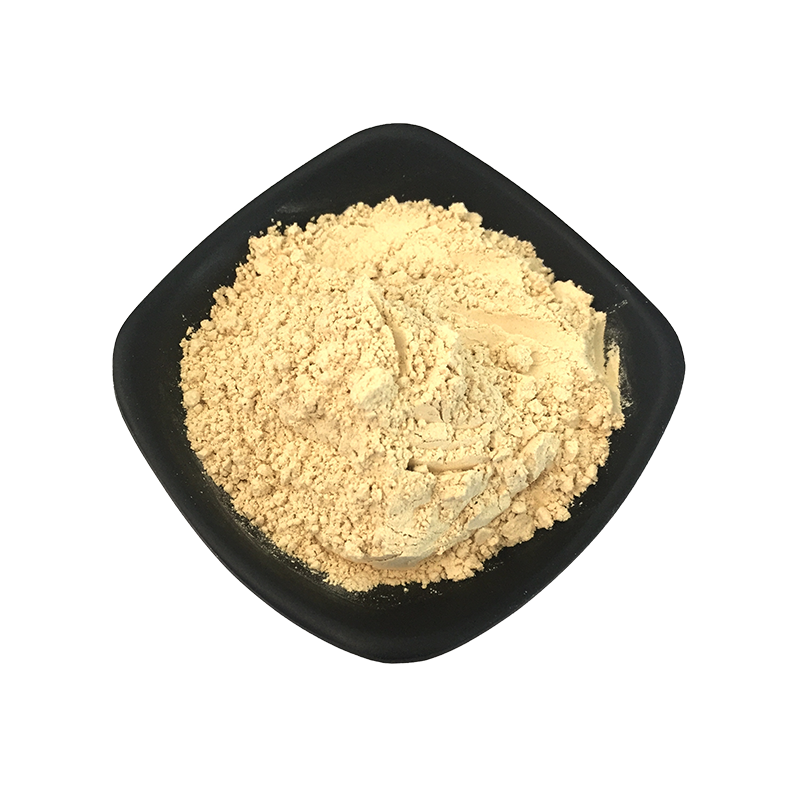 Dehydrated Garlic Powder for Marinades and Spice BlendsA convenient pantry garlic powder that supports marinades, rubs, and spice blends with consistent aromatic flavor when fresh prep is impractical.View Product →
 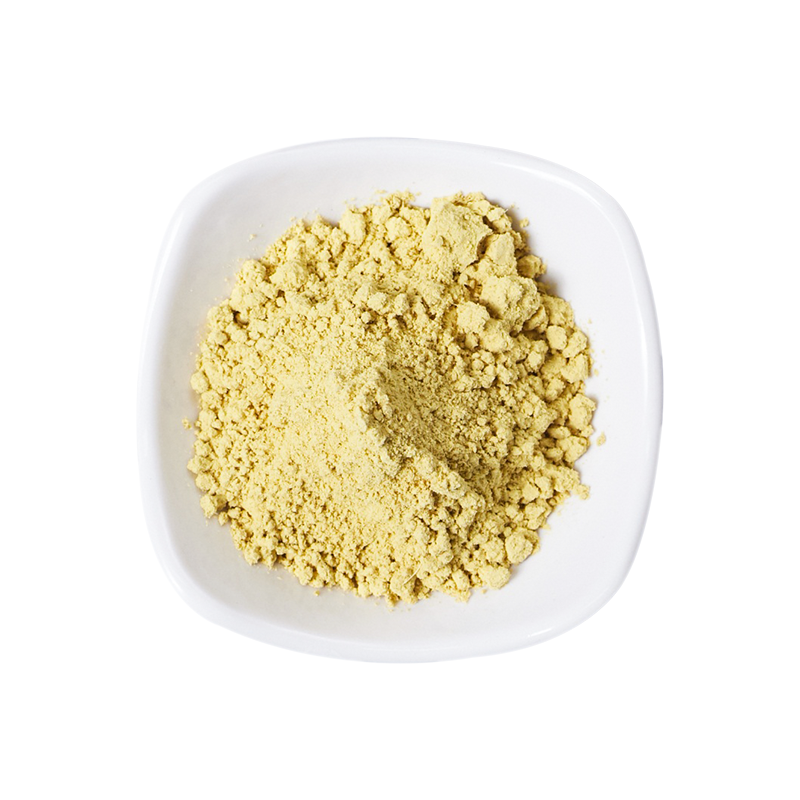 Dehydrated Ginger Powder for Savory and Sweet DishesA shelf-stable ground ginger that brings warm, citrusy spice to marinades, teas, baking, and sauces, complementing dehydrated garlic in spice blends.View Product →
Five spice powder rarely works alone. It needs salt, an acid, and an allium. Soy sauce, Shaoxing wine, rice vinegar, garlic, ginger, and scallions are the usual partners. In a commercial marinade, dehydrated garlic powder and ginger powder offer a consistent way to build those base notes without fresh-prep labor or seasonal variation.
Marinades, Rubs, and Braises: Where the Blend Performs Best
If you want one reliable five spice powder use, start with a marinade. A basic formula for 500 grams of chicken or pork is 2 tablespoons soy sauce, 1 tablespoon Shaoxing wine or dry sherry, 1 teaspoon five spice powder, 1 teaspoon sugar, 1 teaspoon dehydrated garlic powder, and 1/2 teaspoon dehydrated ginger powder. Mix, add the meat, and refrigerate for 30 minutes to overnight. The sugar helps the surface brown, while the liquid prevents the spices from burning.
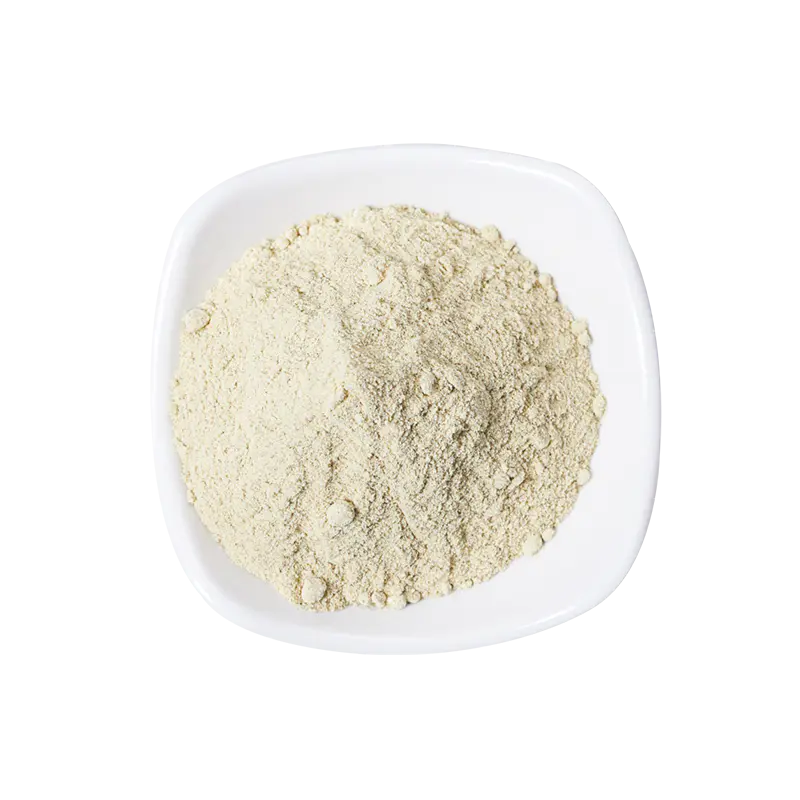 White Pepper Powder for Light-Colored Sauces and SoupsA milder, pale pepper powder suited to white sauces, soups, and delicate dishes, useful when a dry rub needs gentle lift without black pepper's flecks.View Product →
Dry rubs need a different ratio because there is no liquid to buffer the heat. Use 1 part five spice powder to 4 parts salt and 2 parts sugar, then add white pepper for lift. Apply the rub thinly; a heavy coating can taste like clove. For braises, bloom the powder in oil for 10 to 15 seconds, add aromatics, then pour in stock or water. A typical braise uses 1/4 to 1/2 teaspoon per liter of liquid, depending on how long it cooks.
Vegetables, Tofu, and Plant-Based Fillings
Five spice powder is not only for meat. It adds depth to roasted pumpkin, sweet potato, eggplant, mushrooms, tofu, and tempeh. Toss 300 grams of vegetables with 1/4 teaspoon five spice powder, 1 tablespoon neutral oil, 1 tablespoon soy sauce, and a pinch of sugar. Roast at 200°C until the edges caramelize. The same seasoning works in a tofu scramble or a mushroom filling for dumplings and bao.
For plant-based food manufacturing, five spice powder can mask the beany notes of pea or soy protein while adding a warm, savory top note. It pairs well with dehydrated vegetable powders, onion powder, and yeast extract. In a filling or patty, 0.2% to 0.5% of the total batch is often enough. Above that, clove and star anise can overwhelm the base protein.
Rice, Noodles, Soups, and Stews
Small amounts of five spice powder improve fried rice, noodle stir-fries, congee, and clear soups. Add it at the end of stir-frying so the aroma stays bright. For a two-serving fried rice, 1/8 to 1/4 teaspoon is enough. In soups and stews, add the powder early with the aromatics, then taste after 20 minutes. The blend needs time to soften, but clove can become bitter after a long boil.
| Application | Starting dose | Best partners | Watch point |
|---|---|---|---|
| Meat marinade | 1/2–1 tsp per 500 g | Soy sauce, garlic, ginger | Do not exceed overnight for thin cuts |
| Dry rub | 1 part to 4 parts salt | Sugar, white pepper | Clove can dominate |
| Braise or stew | 1/4–1/2 tsp per liter | Shaoxing wine, rock sugar | Bloom briefly in oil first |
| Stir-fry or rice | 1/8–1/4 tsp per 2 servings | Sesame oil, scallion | Add near the end |
| Roasted vegetables | 1/4 tsp per 300 g | Neutral oil, soy sauce | Toss evenly before roasting |
| Baked goods | 1/4–1/2 tsp per 250 g flour | Butter, brown sugar, chocolate | Mix with dry ingredients |
Baking and Desserts
Five spice powder has a natural place in baking because its warm notes overlap with cinnamon, nutmeg, and ginger. Use it in pumpkin bread, apple pie, spice cakes, shortbread, chocolate cookies, and ice cream. A standard dose is 1/4 to 1/2 teaspoon per 250 grams of flour. For chocolate, start with 1/4 teaspoon; star anise can make dark chocolate taste more complex, but too much creates a medicinal edge.
In commercial baking, five spice powder can reduce the number of separate spices in a formula. It works in cake premixes, cookies, cereal bars, and seasonal fillings. Because baking heat drives off some volatiles, the aroma after baking may be softer than the raw mix. A supplier specification should therefore include volatile oil content or a sensory standard, not only particle size and moisture.
How Much to Use and How to Fix Overuse
Start lower than you think. Five spice powder is concentrated, and the clove fraction can build quickly. A reliable rule is 1/2 to 1 teaspoon per 500 grams of meat, 1/4 teaspoon per 300 grams of vegetables, 1/4 to 1/2 teaspoon per liter of liquid, and 1/4 to 1/2 teaspoon per 250 grams of flour. For a first test, reduce those numbers by half, taste, and adjust.
- If the dish tastes bitter or medicinal, add fat, sugar, or a starchy ingredient such as rice, potato, or bread.
- If the aroma is too sharp, add acid: rice vinegar, lime juice, or tomato.
- If the spice dominates a soup or sauce, increase the liquid and base ingredients rather than adding water alone.
- If the blend is stale, discard it. Old five spice powder loses its top notes and tastes dusty.
Buying and Specifying Five Spice Powder for Food Production
For home cooks, the main buying decision is freshness. Buy from a supplier with high turnover, keep the powder in an airtight container away from light and heat, and replace it within 6 to 12 months. Whole spices stay fresh longer, but pre-ground powder is more convenient for marinades and rubs.
For food manufacturers, five spice powder is a formulated ingredient, so the purchase specification matters more than the name. Key checks include the ratio of star anise to clove, particle size, moisture content, volatile oil, ash, heavy metals, pesticide residues, and microbiological limits. If the product is organic or non-GMO, those claims need documentation. A supplier with dehydrated vegetable and spice powder capability can often consolidate several ingredients into one shipment, reducing testing and inventory work. Xinghua Vegetable Foods Co., Ltd., for example, operates dehydration and milling lines for vegetable powders and spice powders, with ISO9001, ISO22000, GAP, AEO, and SC certifications listed on its company profile.
Common Mistakes When Using Five Spice Powder
The first mistake is treating five spice powder like chili powder. It does not add heat; it adds aromatic depth. The second is adding it at the start of a quick stir-fry, where it can scorch. The third is using it without salt, sugar, or fat, which leaves the spices tasting dry and dusty. The fourth is overcorrecting. If a dish is too strong, do not add more five spice powder to balance it; add bulk, fat, or acid.
Another common issue is inconsistent dosing between batches. In a restaurant or factory, weigh the powder rather than using a spoon. A 0.1% difference in a large batch can change the clove impact noticeably. For home cooks, measuring spoons are fine, but level them and start small.
Five spice powder uses are broader than most cooks expect, but the blend rewards restraint. Use it in marinades, rubs, braises, roasted vegetables, fried rice, soups, and baked goods. Give it fat, salt, sugar, or liquid, and keep the dose low until you know how the clove and star anise behave in your recipe. For food production, treat it as a formulated ingredient with a clear specification, sensory standard, and dosage range. That approach turns a single jar or bulk bag into a reliable flavor tool rather than a gamble.


 Xinqian Village (Dehydrated Fruit and Vegetable Industrial Park), Duotian Street, Xinghua City, Taizhou City, Jiangsu Province, China
 +86-13852647168
