

 English
 中文简体
中文简体If a recipe calls for chili powder and you reach for ancho chili powder, the finished dish will not taste the same. The two ingredients share a name, but they are different products: one is typically a balanced spice blend, and the other is a single ground chile. That difference affects heat, sweetness, color, and how much you should use. For home cooks and food manufacturers alike, the first step is to read the ingredient statement rather than rely on the label.
Content
- 1 The Short Answer: Blend vs Single Chile
- 2 Why Ancho Chile Powder Tastes Different
- 3 Heat, Sweetness, and Smoke: Reading Labels Without Guessing
- 4 Cooking and Formulating: When to Use Each
- 5 Sourcing Chili Powders for Food Production: What Buyers Should Check
- 6 Final Takeaway: Choose by Function, Not by Name
The Short Answer: Blend vs Single Chile
In most U.S. supermarkets, chili powder is a blend. A typical jar contains ground chile peppers, cumin, oregano, garlic powder, onion powder, and sometimes salt or anti-caking agents. Ancho chili powder contains one ingredient: dried ancho chiles that have been ground. Ancho chiles are dried poblanos, so the powder carries the fruit, raisin, and mild cocoa notes of that pepper.
This is not a minor labeling detail. If you substitute one for the other at a 1:1 ratio, you may double the cumin and oregano in a dish, or you may lose the rounded, sweet heat that ancho provides. Commercial buyers face the same issue at scale: a specification for "chili powder" can mean a custom blend with a target Scoville range, while "ancho chili powder" should be a single-origin ingredient with a narrower flavor profile.
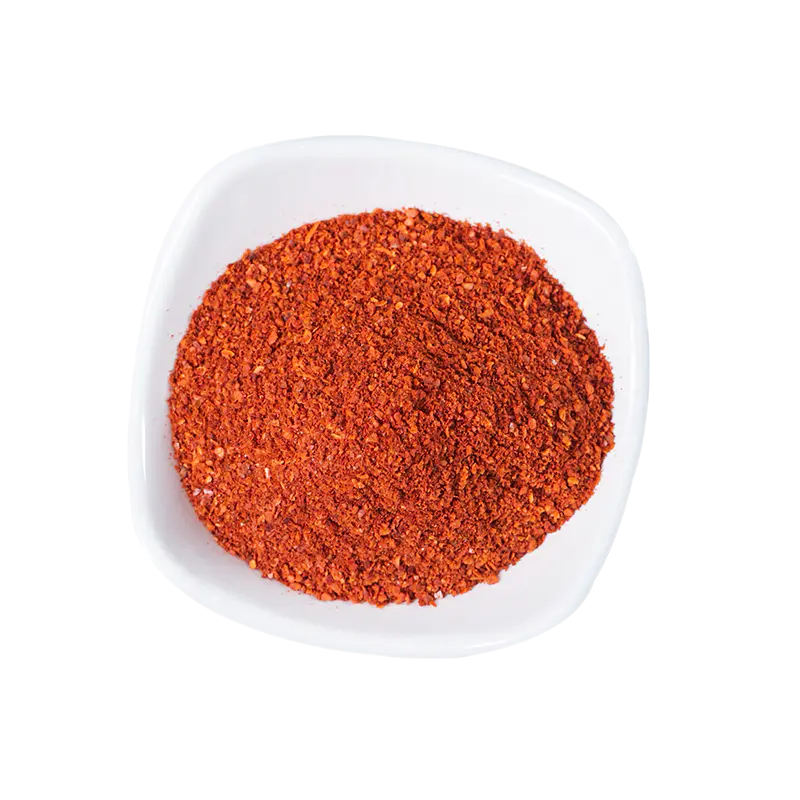 Dehydrated chili powderDehydrated chili powder is a fine, potent spice made from dried chili peppers, ground into a powder form. It retains the fiery heat and distinct flavor of fresh chilie...View Product →
Why Ancho Chile Powder Tastes Different
Ancho chiles are prized for their mild heat and deep, dried-fruit flavor. Depending on the source, ancho chili powder may measure around 1,000 to 2,000 Scoville Heat Units (SHU), while a chili powder blend can range from mild to moderately hot because the pepper base varies. The blend also brings earthy cumin and herbal oregano, which ancho alone does not have.
Color is another practical difference. Ancho powder tends to be a dark reddish-brown, while blended chili powder can be lighter or more brick-red depending on the chile varieties used. In sauces, rubs, and seasoning mixes, that color difference is visible. For food producers, color stability over shelf life is a key quality marker, and it depends on processing and storage. You can read more about maintaining natural color and flavor when converting vegetables into powders.
| Attribute | Chili Powder (blend) | Ancho Chili Powder |
|---|---|---|
| Ingredients | Ground chiles, cumin, oregano, garlic, onion, sometimes salt | 100% ground ancho chiles |
| Heat level | Varies; often mild to medium | Mild, about 1,000–2,000 SHU |
| Flavor | Earthy, smoky, herbal, rounded | Fruity, raisin-like, mild cocoa, sweet heat |
| Color | Brick red to reddish-brown | Dark reddish-brown |
| Common uses | Chili con carne, taco seasoning, barbecue rubs | Mole, enchilada sauce, adobo, pure chile sauces |
| Substitution | Add cumin, oregano, garlic, and onion to mimic | Use less; add other spices for blend-style recipes |
Heat, Sweetness, and Smoke: Reading Labels Without Guessing
When you compare products on a shelf, look at the ingredient list first. If ancho chili powder is listed as the only ingredient, you are buying a single chile powder. If the label lists cumin, oregano, garlic, or "spices," it is a blend. That distinction matters for allergen control, sodium content, and recipe consistency. Some blends include salt, which can throw off a formulation that assumes unsalted chile powder.
For manufacturers, the specification should go beyond the name. Useful parameters include SHU range, moisture content, particle size, total plate count, yeast and mold, and the absence of foreign matter. A single-origin ancho powder may be specified by origin, harvest year, and color value. A chili powder blend may be specified by a flavor profile, mesh size, and the ratio of chile to other spices. Without those details, two suppliers can deliver very different products under the same name.
Cooking and Formulating: When to Use Each
Use ancho chili powder when you want the chile to be the leading flavor. It works well in mole, enchilada sauce, adobo, slow-cooked pork, and dry rubs where a clean, fruity heat is the goal. Because it is mild, you can add enough to build color and depth without overwhelming the dish. If a recipe needs the rounded, familiar taste of American chili powder, you can start with ancho powder and then add ground cumin, dried oregano, garlic powder, and onion powder.
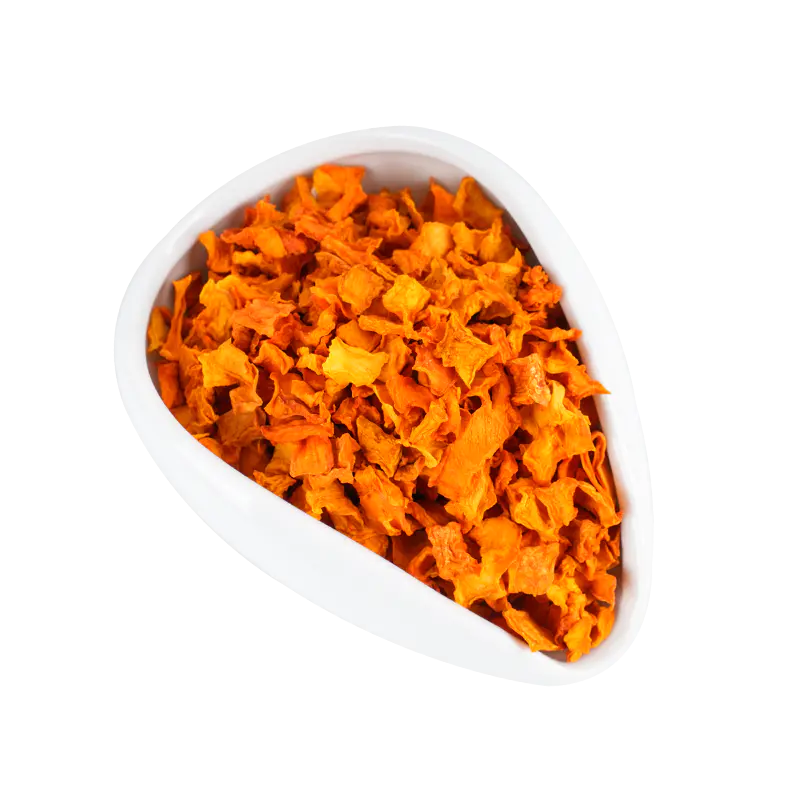
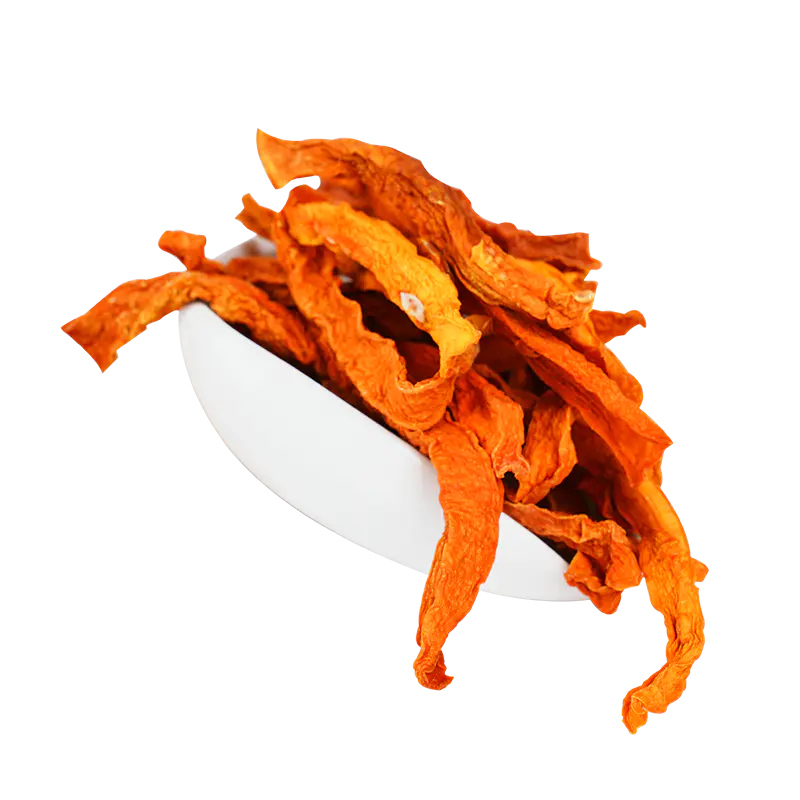
Use a chili powder blend when convenience and consistency matter more than single-origin character. It is the standard choice for weeknight chili, taco fillings, and Tex-Mex seasoning. For food production, a blend can be customized to a target flavor, heat level, and cost. Many processors also use dehydrated vegetable powders to adjust sweetness, color, and body. For example, tomato powder, carrot powder, or pumpkin powder can add natural sweetness and color to a chili-style seasoning, while garlic and onion powders provide the savory base. If you need a pure chile powder as a starting point, a dehydrated chili powder can be specified for particle size and microbial limits.
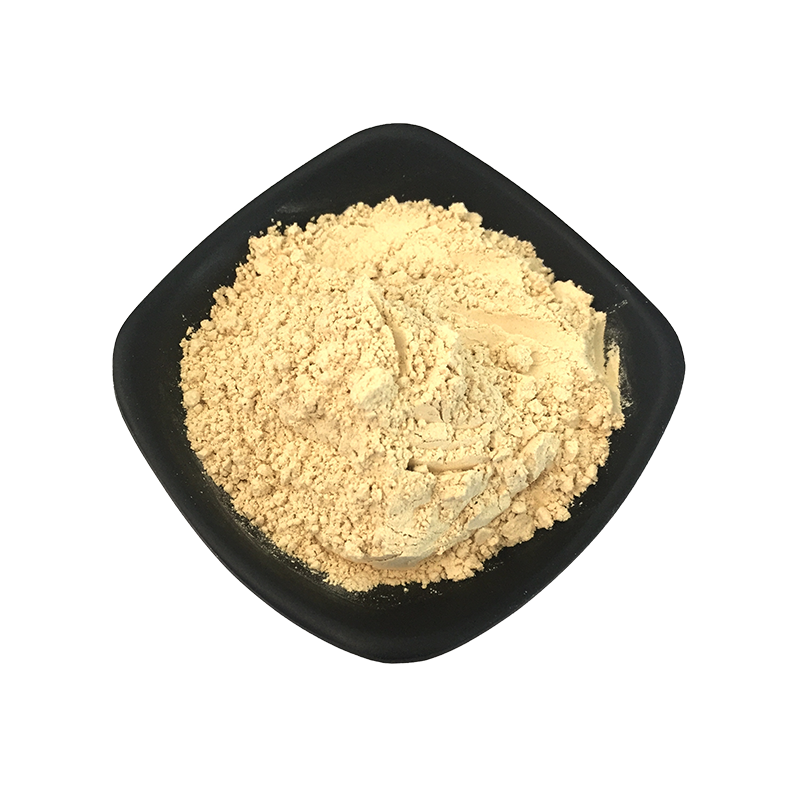 Dehydrated Garlic Powder: Convenient Pantry Staple for Savory DishesDried and finely ground from fresh garlic, it delivers long-lasting pungency and depth for consistent seasoning in soups, sauces, and marinades.View Product →
Sourcing Chili Powders for Food Production: What Buyers Should Check
Buyers often ask for "chili powder" without defining whether they need a blend or a single chile powder. That ambiguity can lead to rejected batches. A clear purchase specification should state the ingredient list, the expected heat range, the color standard, and the intended application. If the product will be used in a dry mix, particle size and flowability matter. If it will be used in a sauce or marinade, dispersibility and moisture content become more important.
Ancho chili powder is usually more expensive than a blended chili powder because it requires a specific chile variety and a higher ratio of pure chile. Blends can be adjusted with fillers or lower-cost chiles, so price alone is not a quality indicator. Ask for a certificate of analysis, a sample for sensory evaluation, and a clear statement of origin. For export markets, documents such as ISO 22000, GAP, and AEO can support food safety and customs compliance, but they do not replace a product-specific specification.
Final Takeaway: Choose by Function, Not by Name
Chili powder and ancho chili powder are not interchangeable by default. Chili powder is usually a blend designed for balanced, familiar flavor. Ancho chili powder is a single ground chile with fruity, mild heat and a deep red color. If you want a pure chile flavor, choose ancho. If you want a ready-to-use seasoning, choose a blend. When buying in bulk, define the ingredient list, heat range, color, and microbiology before you request a quote. That approach prevents costly reformulation and keeps the final product consistent from batch to batch.


 Xinqian Village (Dehydrated Fruit and Vegetable Industrial Park), Duotian Street, Xinghua City, Taizhou City, Jiangsu Province, China
 +86-13852647168
