

 English
 中文简体
中文简体You are in the middle of a recipe that calls for 1 tablespoon of freshly grated ginger, but the only ginger in your pantry is a jar of dry, ground powder. Can you still proceed without a last-minute trip to the store? Yes, but you need a conversion ratio. The practical starting point is: 1 tablespoon of grated fresh ginger equals 1/4 teaspoon of ground ginger. The reverse also holds true: 1/4 teaspoon of ground ginger can replace 1 tablespoon of peeled, freshly grated ginger. This ratio is not a guess; it comes from the physical difference between a water-rich rhizome and a concentrated spice powder. Once you understand why it works, you can adapt the substitution to soups, marinades, baked goods, and even commercial ingredient purchasing.
Content
- 1 Why the conversion ratio is not 1 to 1
- 2 Conversion chart for grated ginger to ground ginger
- 3 Flavor differences and when to choose each form
- 4 How to measure and adjust in recipes
- 5 Common mistakes when swapping grated fresh and ground ginger
- 6 For food manufacturers: sourcing ginger in dry form
- 7 Storage tips for fresh and ground ginger
- 8 Final thoughts on switching between grated fresh and ground ginger
Why the conversion ratio is not 1 to 1
Fresh ginger is roughly 80 percent water. When you grate it, you are weighing that moisture as part of the ingredient. Ground ginger, on the other hand, has been washed, sliced, dehydrated, and milled into a fine powder. The dehydration step removes most of the water, leaving a much higher concentration of robust flavor compounds, including gingerol and zingerone. That makes ground ginger stronger by weight and by volume than fresh grated ginger.
There is also a textural difference. Grated fresh ginger adds water and fibers to a batter, sauce, or stir-fry. Ground ginger blends in more evenly and releases its aroma quickly. In baking, the dry powder distributes through the dough without changing the liquid balance. In a stir-fry, fresh ginger hits the hot oil immediately and adds a bright, citrus-like bite. These differences mean the simple ratio is only a flavor baseline; you may need to adjust it based on cooking time, fat content, and personal taste.
Conversion chart for grated ginger to ground ginger
Use the following chart as a quick reference for common kitchen measurements. The values are approximate and are meant to be adjusted to the intensity of the ginger you use.
| Amount of grated fresh ginger | Amount of ground ginger |
|---|---|
| 1 teaspoon | 1/8 teaspoon |
| 1 tablespoon | 1/4 teaspoon |
| 2 tablespoons | 1/2 teaspoon |
| 3 tablespoons | 3/4 teaspoon |
| 4 tablespoons (1/4 cup) | 1 teaspoon |
If you are working with older ginger that has less juice, you may need to use slightly more ground ginger to achieve the same heat. Young ginger, with its thin skin and mild pungency, would require the opposite adjustment.
Flavor differences and when to choose each form
Fresh grated ginger is bright, sharp, and slightly sweet, with a citrus-like heat that rises quickly in oil and fades in long cooking. It works best in stir-fries, light soups, salad dressings, and any dish where you want the ginger aroma to remain crisp and noticeable. Ground ginger has a deeper, more earthy and slightly spicy-sweet character. It holds up well over time, which is why baked goods such as gingerbread, spice cookies, and carrot cakes rely on it.
If you replace fresh grated ginger with ground ginger, the dish will taste more dry and less floral. To compensate, you can add a little lemon zest or increase the cooking fat slightly. If you replace ground ginger with fresh in a recipe designed for the dry form, watch the extra moisture. In a cookie batter, the added water from 4 tablespoons of grated ginger can change the texture. You may need to reduce another liquid ingredient by a small amount, or sprinkle the grated ginger with a spoonful of flour before adding it.
How to measure and adjust in recipes
Measurement accuracy matters when you switch between fresh and ground ginger. For fresh ginger, peel the rhizome first, then grate with a fine rasp. A tightly packed tablespoon contains more ginger than a loose heap, so use a level measure. For ground ginger, use the same spoon but tap it lightly to settle the powder, then level it off. Since ground ginger is concentrated, taste the dish as you go and add the dry form gradually.
As a practical rule in home cooking, start with 1/4 teaspoon of ground ginger for each tablespoon of fresh grated ginger required. For simmering sauces and braises, you can start with a little less and add more after 10 minutes of cooking, because ground ginger can become more intense as it hydrates. In baked goods, do not adjust mid-bake; instead, rely on the chart and consider the overall water balance of the dough.
For commercial recipe scaling, the same conversion should be verified with a sensory panel. A professional kitchen that replaces 10 pounds of freshly grated ginger with ground ginger in a soup base may require roughly 2.5 pounds of ground powder, but the exact amount depends on particle size, extraction temperature, and the type of dried ginger used.
Common mistakes when swapping grated fresh and ground ginger
One of the most frequent errors is using the same volume of both forms. If a recipe asks for 1 tablespoon of fresh grated ginger and you add 1 tablespoon of ground ginger, the dish will be overwhelmingly spicy and might even become bitter. The second mistake is adding ground ginger at the end of a stir-fry in the same way you would add fresh. Ground ginger needs a little time to rehydrate and release its flavor; adding it too late leaves a dry, powdery mouthfeel.
Another issue is ignoring the water content. Fresh ginger contributes liquid to the recipe. When you use ground ginger, the dish becomes slightly drier. In a sauce or soup, this is easy to correct with a small amount of broth. In a baked good, it can affect the crumb structure. Finally, avoid using ground ginger as a direct flavor replacement in salads or quick pickles, where the bright freshness of grated ginger is a main feature. In those cases, it is better to use a small amount of ground ginger combined with fresh lemon juice or rice vinegar to mimic the acidity.
For food manufacturers: sourcing ginger in dry form
If your business is moving from fresh ginger to ground ginger for cost, storage, or labor reasons, the conversion is only the first step. A consistent, standardized ground ginger ingredient eliminates peeling, grating, and disposal while giving predictable flavor in every batch. The key is to purchase from a supplier that can document the dehydration process, moisture content, and particle size distribution. These factors directly affect how quickly the flavor releases in a soup, sauce, or seasoning blend.
When planning a formula change, consider that a manufacturer using 100 kg of fresh grated ginger in a batch may need only around 2.5 kg of ground ginger to achieve a comparable heat level, but this number changes with the type of ginger, the drying method, and the target application. For instant soups and dry seasoning mixes, a fine powder is ideal. For wet marinades, a coarser grind can distribute more evenly. This is why reviewing a supplier's specifications before switching matters. You can look at our dehydrated vegetable powder range to understand how a single processing facility turns raw vegetables into shelf-stable powder ingredients.
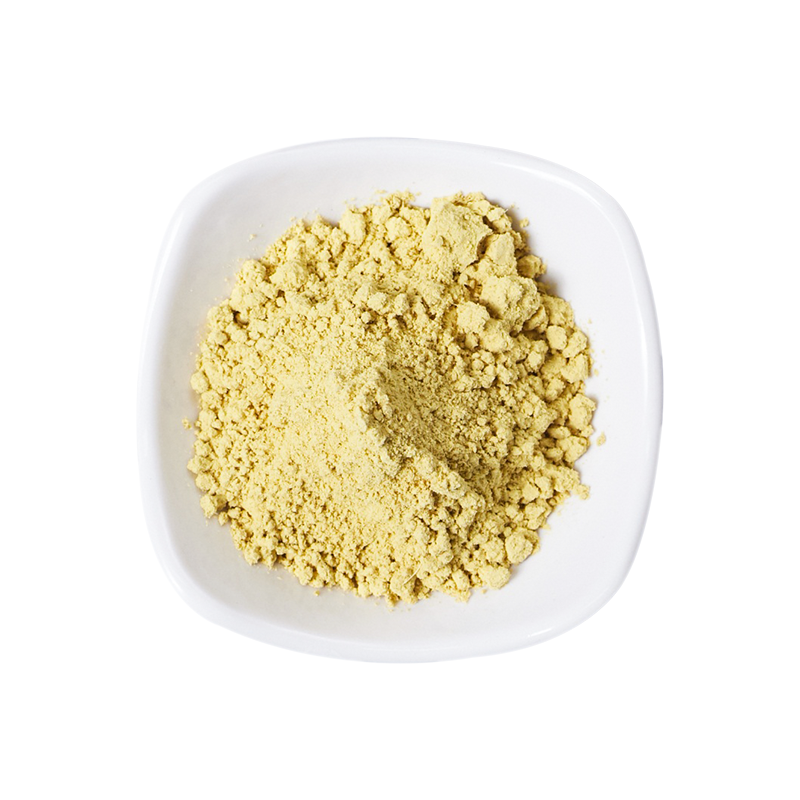 Dehydrated Ginger Powder: Concentrated Spice for Cooking and BakingA shelf-stable alternative to fresh ginger, this powder delivers consistent heat and aroma for dry mixes and marinades. Reviewing supplier specifications ensures the right grind and potency for your recipe.View Product →
Storage tips for fresh and ground ginger
Fresh grated ginger is best used soon after grating, because moisture loss and oxidation quickly dull its bright bite. If you have leftover grated ginger, press it into a small spoon or wrap it tightly to minimize air exposure, then refrigerate and use within one day. Ground ginger, when stored in a sealed container away from heat and direct light, can retain its pungency for many months. Always check the aroma before using a jar that has been open for a long time; if the scent is faint, you will need to increase the amount to match fresh ginger.
In commercial storage, ground ginger is more stable than fresh and saves considerable freezer space. It also shrinks logistics costs because no cold chain or frequent delivery is needed. For a manufacturer who processes multiple batches per week, this is a meaningful operational advantage.
Final thoughts on switching between grated fresh and ground ginger
The rule of 1 tablespoon grated fresh ginger to 1/4 teaspoon ground ginger gives you a safe place to begin. The final answer always depends on the dish, the cooking time, and your preference for brightness versus depth. For baked goods and spice blends, ground ginger is usually the better choice. For delicate and fresh dishes, nothing replaces the aroma of fresh grating. In both home kitchens and food production environments, understanding the concentration, water content, and flavor release of each form will help you scale recipes with confidence and reduce waste.


 Xinqian Village (Dehydrated Fruit and Vegetable Industrial Park), Duotian Street, Xinghua City, Taizhou City, Jiangsu Province, China
 +86-13852647168
