

 English
 中文简体
中文简体When you evaluate garlic powder for a food formulation, the first question is often about sodium. The direct answer: pure garlic powder contains roughly 5mg of sodium per teaspoon, which is less than 0.3% of the FDA's 2,300mg daily reference value. A 100-gram portion of pure garlic powder carries approximately 60–80mg of sodium, depending on the raw material and processing method. That places unadulterated garlic powder firmly in the "negligible sodium" category. The real sodium risk in the spice aisle comes from seasoned blends and garlic salt, not from garlic powder itself.
For food manufacturers, this distinction matters at the procurement level. A spice blend labeled "garlic powder" might contain salt as a carrier even when the label does not show it clearly. The American Spice Trade Association (ASTA) purity standards and the USDA's GRAS determination for garlic powder make no allowance for salt as a filler, so the sodium content of authentic garlic powder should remain close to the raw garlic's mineral profile after dehydration and milling.
Content
- 1 The Core Numbers: Sodium Content in Pure Garlic Powder
- 2 Garlic Salt Versus Garlic Powder: Do Not Confuse the Two
- 3 How Garlic Processing Influences Sodium Levels
- 4 Label Reading and Sodium Claims: What Procurement Must Verify
- 5 Sourcing Considerations for Food Manufacturers
- 6 Practical Application in Product Development
- 7 Conclusion
The Core Numbers: Sodium Content in Pure Garlic Powder
Most nutrition databases and verified laboratory analyses put the sodium content of plain garlic powder between 2mg and 5mg per teaspoon (2.8g). That translates to roughly 0.2% to 0.3% sodium by weight. To put it in a form you can use in a recipe or purchase specification:
| Seasoning | Typical Serving Size | Sodium Content |
|---|---|---|
| Pure garlic powder | 1 tsp (2.8g) | 4–6mg |
| Garlic salt (3:1 salt-to-garlic) | 1/4 tsp (0.75g) | 510–600mg |
| Granulated garlic | 1 tsp (2.8g) | 5–8mg |
| Fresh garlic, minced | 1 tsp (4.7g) | 1–2mg |
The variation among pure garlic powder brands is small when the product is unblended. The larger the discrepancy you see between suppliers, the more likely it is that the powder contains a flowing agent, anti-caking compound, or salt-based diluent.
From a nutrition labeling perspective, if you do the math for a food product that uses 0.5% garlic powder in a formula, the added sodium contribution is not even 1mg per 100g. That is so low it drops below the FDA's round-to-zero threshold for individual ingredient declarations in most cases.
Garlic Salt Versus Garlic Powder: Do Not Confuse the Two
One of the simplest sources of sodium confusion is the label "garlic salt." Garlic salt is a finished seasoning product, not a single spice. The standard ratio is 3 parts salt to 1 part garlic powder or granulated garlic by weight. The ubiquitous commercial garlic salt recipe from the classic spice dispensers provides roughly 560mg of sodium in a 1/4-teaspoon serving. That number is 100 times higher than the equivalent amount of pure garlic powder, which is why product developers and nutritionists treat them as entirely different ingredients.
The historical reason garlic salt appeared on retail shelves was convenience. The 1970s and 1980s home cooking boom pushed manufacturers to combine two pantry staples into one bottle. For household cooking, that is a time saver. For industrial food manufacturing, that same convenience turns into a problem. When you build a marinade or spice blend with garlic salt, you are also adding salt without a clear record of which ingredient contributed it. The bulk of the added salt comes from the filler in the garlic salt, not from the garlic.
When a procurement document specifies "garlic powder," it should explicitly require that the product contain no added salt, no anti-caking agents that contribute sodium, and no other additives. The acceptance criteria should include a maximum sodium tolerance, usually under 100mg per 100g, to prevent the kind of supply deviation that pushes a final product over its declared sodium numbers.
How Garlic Processing Influences Sodium Levels
The journey from fresh garlic bulb to dried powder includes washing, slicing, drying, and milling. Any salt added to the wash water or to the drying step would raise the final sodium content, but no standard industrial process for garlic powder does that. In normal production, the sodium content in the finished powder reflects the mineral composition of the fresh garlic plus the moisture loss during dehydration.
Garlic bulbs accumulate sodium from their soil environment. When a crop is planted in a field with naturally saline soil or treated with sodium-containing fertilizers, the sodium concentration in the bulbs can rise. This is the main biological factor behind sodium level variation among garlic powder batches. Good agricultural practices (GAP) help control this. Farms that track water quality and soil salinity, and that hold organic certification or GAP certification, produce raw garlic with more consistent mineral profiles.
Beyond the field, the particle size of the powder affects how the product behaves and how the sodium is distributed in a formulation. A finer mesh powder has a larger surface area per gram and tends to distribute more efficiently throughout a dry blend, but the sodium level by weight remains unchanged. The key quality parameter for the buyer is the mesh size consistent with the intended application, not the sodium content, because the sodium level is essentially fixed by the raw material.
Label Reading and Sodium Claims: What Procurement Must Verify
When you review product specification sheets for garlic powder, the sodium value should appear in the nutrition facts section, usually listed as "sodium, <10mg" or "sodium, 8mg per 100g" depending on the supplier's testing method. If the sodium value looks suspiciously high, or if the supplier cannot provide a third-party laboratory certificate of analysis, treat that as a red flag. The label claim should match actual batch analysis results for every production lot.
There are two common labeling pitfalls you should avoid:
- Some blended seasoning lines call a product "garlic powder" but include salt, sugar, and anti-caking additives. With such products, the sodium content can leap to 25,000mg per 100g. If a supplier lists it in their spice category without clarification, the liability for nutrient misstatement moves to your label.
- Granulated garlic and garlic powder are sometimes used interchangeably in supplier catalogs, but granulated garlic has a coarser texture and can have a slightly lower bulk density, which affects both the dosage in a recipe and the sodium per serving if the dry blend is measured by volume instead of weight.
The most reliable procurement approach is to order pure milled garlic powder and to specify a 60- to 80-mesh product that has passed through a metal detector and meets ISO 22000 or equivalent food safety requirements. Ask for a declaration of the absence of salt in the ingredient list. That way, you are not relying on a claim about sodium content alone, but verifying the composition documentation that underlies it.
Sourcing Considerations for Food Manufacturers
For a manufacturer that produces soup bases, seasoning mixes, marinades, or ready meals, garlic powder with negligible sodium gives you control over the seasoning step. You can build a custom formula that hits the targeted sodium profile without compensating for an unknown salt burden in the spice input. This is especially important for products positioned as reduced-sodium or "no added salt" options, because even small amounts of sodium from an unexpected filler can push a formulation out of compliance.
When choosing a supplier, the ideal partner will have a clear sourcing chain and manufacturing process that you can verify:
- A traceable raw material base, ideally from a region with low soil salinity.
- A documented dehydration process that avoids salt additives and preserves the volatile oils and thiosulfinates that contribute to garlic flavor.
- Certification that supports your own quality claims, such as ISO 22000, GAP, and organic certification where applicable.
- Production flexibility to match mesh and specification requirements as your formula evolves.
It is worth noting that the drying method itself can affect flavor intensity even without changing sodium levels. Air drying at moderate temperatures preserves more of the fresh garlic's pungency, while high-temperature spray-dried garlic powder tends to have a milder profile. Both are sodium-free, but the flavor performance in application will differ. A product that claims "low sodium" while losing garlic aroma will not serve you well in a final product where garlic is a primary flavor note.
Practical Application in Product Development
Garlic powder should be treated as a flavor-bearing ingredient with negligible sodium contribution, which makes it ideal for:
- Dry seasoning blends where salt is intentionally dosed separately.
- Marinades and brines that need garlic notes without a sodium bump.
- Bread and snack coatings, where salt pickup from a spice pre-mix can over-deliver sodium if not tracked.
- Reduced-sodium savory sauces and gravies, where sensory studies show garlic compounds are extremely helpful in perceiving flavor when salt drops.
One practical rule for R&D: when you replace fresh garlic with garlic powder in a formula, do not convert the quantities by a 1-to-1 ratio. Because garlic powder is a concentrated dehydrated form, roughly 1 teaspoon of powder replaces about 8 cloves of fresh garlic in balanced recipes. The flavor intensity is higher, but the sodium impact is still minimal. If you replace garlic powder with garlic salt, however, the sodium contribution changes by orders of magnitude and should re-enter your formulation calculations from square one.
Conclusion
Pure garlic powder is an essentially sodium-free ingredient. The 5mg per teaspoon level is meaningful only if you are tracking every milligram of sodium in a product, which is exactly the scenario where a reliable source and verified content direction matter most. Buy from a supplier who can guarantee purity, publish a full ingredient declaration, and supply lab results that you can rely on.
For food manufacturers seeking a spice-grade garlic powder for use in dry blends, ready meals, or seasoning applications, the most useful product is one that is milled to a consistent mesh, lacks salt additives, and comes from a facility that can document its safety and sourcing. A product such as our 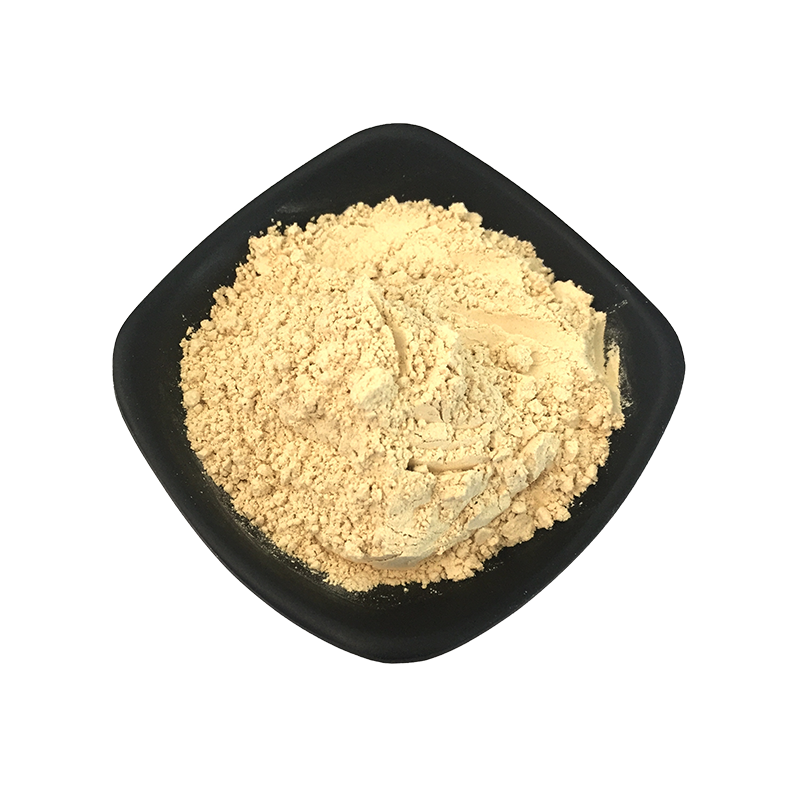 Dehydrated Garlic Powder for Food ManufacturingThis garlic powder offers consistent mesh size, no salt additives, and documented sourcing, making it a reliable choice for dry blends, ready meals, and seasonings while keeping sodium levels low.View Product → is designed to meet these exact needs. For a deeper look at how dehydrated garlic is used in food systems and its practical benefits, you can also review our industry guide on dehydrated garlic uses, benefits, and tips.
With sodium under your control, a well-sourced garlic powder gives you flavor range without any of the compliance headaches that come with unexpected salt. When the actual sodium levels are this low, the main thing to watch is the label, not the spice.


 Xinqian Village (Dehydrated Fruit and Vegetable Industrial Park), Duotian Street, Xinghua City, Taizhou City, Jiangsu Province, China
 +86-13852647168
