

 English
 中文简体
中文简体You are building a low-sodium stir-fry sauce and reaching for a small spoon of garlic powder. A practical question appears: does garlic powder have sodium? The answer matters for any recipe developer, food manufacturer, or buyer who is trying to keep a finished product well inside a specific sodium limit.
Pure dehydrated garlic powder is simply dried and ground garlic bulbs. No salt is introduced during production. The garlic bulb itself is naturally low in sodium. As a result, pure garlic powder typically contains around 5 mg of sodium per teaspoon, which is close to zero for practical dietary purposes.
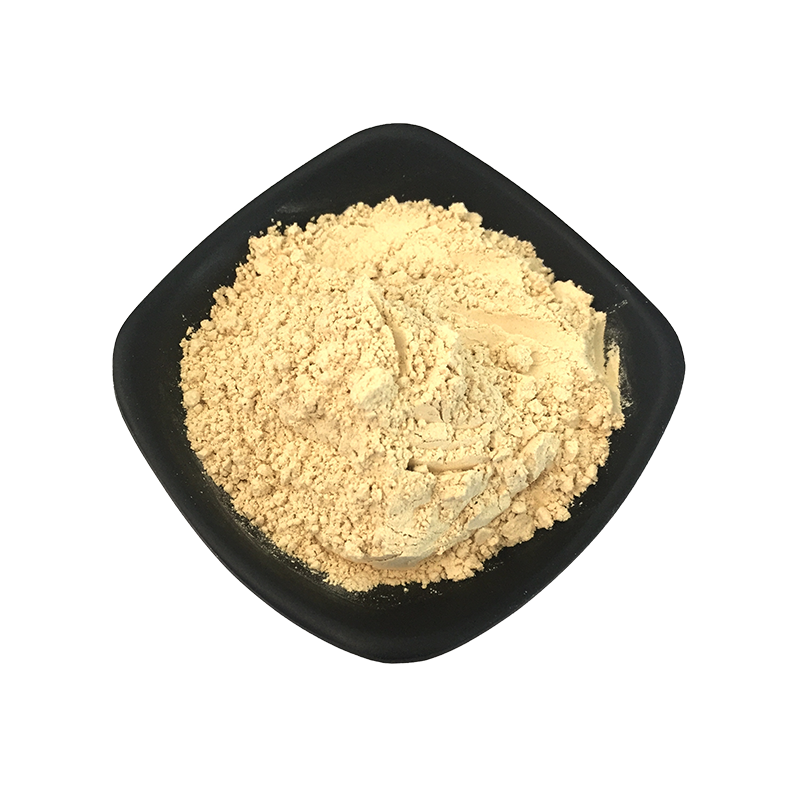 Pure Dehydrated Garlic Powder with Naturally Low SodiumThis finely ground garlic powder retains fresh garlic's pungent flavor and is naturally low in sodium, making it suitable for heart-healthy or reduced-sodium formulations without added salt.View Product →
Content
- 1 The Core Conclusion: Garlic Powder Is a Sodium-Conscious Flavor Choice
- 2 Why Garlic Powder Has Almost No Sodium
- 3 Sodium Comparison: Garlic Powder vs. Garlic Salt vs. Table Salt
- 4 Deeper Look at Sodium in Common Flavor Enhancers
- 5 Where Garlic Powder Fits in the Low-Sodium Market
- 6 A Practical Buying Guide for Low-Sodium Garlic Powder
- 7 Storage, Quality Control, and Labeling
The Core Conclusion: Garlic Powder Is a Sodium-Conscious Flavor Choice
For food processors and culinary professionals, one teaspoon of pure garlic powder contributes roughly 5 mg of sodium. That is less than 0.3% of the daily value in the United States. This is why garlic powder is accepted as a low-sodium ingredient in formulations that target heart-healthy, reduced-sodium, or no-added-salt labels.
Why Garlic Powder Has Almost No Sodium
A Single Ingredient in the Drying Process
Garlic powder is not a blend. It is made from one ingredient: fresh garlic that has been dehydrated and ground into fine particles. Fresh garlic naturally has a very low sodium level, usually around 1-2 mg per clove. After dehydration and grinding, one teaspoon of the powder carries only a small fraction of that tiny natural amount.
The Difference Between Garlic Powder and Garlic Salt
Garlic salt is a mixture. A common ratio is about three parts salt to one part garlic powder. A quarter teaspoon of this blend can bring 190 to over 400 mg of sodium. This is where much of the confusion around garlic powder comes from. Confirm the label before assuming a seasoning blend is sodium-neutral.
What About Prepared Seasoning Blends?
Many industrial seasoning mixes combine garlic powder with salt, monosodium glutamate, or other sodium-containing ingredients. If you are sourcing a ready-made blend, read the ingredient statement carefully. Pure garlic powder gives you full control over final sodium content in a formula, whereas a blend can add hidden sodium.
- Pure garlic powder: no salt added, sodium from the garlic itself.
- Granulated garlic: same composition as powder, slightly coarser texture, same sodium profile.
- Roasted garlic powder: made from roasted garlic, also sodium-free unless salt is introduced.
Sodium Comparison: Garlic Powder vs. Garlic Salt vs. Table Salt
To place garlic powder in context, compare it with salt-based seasonings that are often used in the same applications. The table below is a simplified side-by-side view.
Sodium values are approximate and depend on the specific brand and grind size. Garlic salt values reflect a typical three-to-one salt-to-garlic ratio.
Deeper Look at Sodium in Common Flavor Enhancers
The scale below shows the relative sodium contribution of equal-volume portions. Pure garlic powder stays at the bottom, while salt-based products dominate the sodium load. This is why garlic powder is a dependable ally for low-sodium product development.
580 mg
Table salt
1/4 tsp
1/4 tsp
190-400 mg
Garlic salt
1/4 tsp
1/4 tsp
5 mg
Garlic powder
1 tsp
1 tsp
~2 mg
Onion powder
1 tsp
1 tsp
The visual gap is not an exaggeration. When a customer explicitly asks for low sodium, choosing pure garlic powder instead of a salt-diluted blend removes the largest sodium source from the flavor system.
Where Garlic Powder Fits in the Low-Sodium Market
Across B2B food manufacturing, garlic powder appears in numerous categories. The chart below is an illustrative distribution of common use cases that rely on the low-sodium nature of pure garlic powder.
Seasoning blends & spice mixes
Convenience foods & soups
Meat, poultry & seafood
Sauces, dressings & marinades
Others such as baked goods
The largest slice is seasoning blends. In that category, garlic powder often serves as a flavor base without adding sodium, allowing formulators to build a balanced seasoning system around compliant sodium targets. For an overview of how dehydrated garlic is used in commercial kitchens and food production, see our article on dehydrated garlic uses, benefits and practical tips.
A Practical Buying Guide for Low-Sodium Garlic Powder
When you are purchasing garlic powder for a commercial food application, follow these considerations. They help secure a low-sodium ingredient that also delivers reliable flavor and shelf stability.
1
Check the ingredient list. It should contain only garlic. No salt, no anticaking agents that could carry sodium.
2
Ask for a sodium content test report. Every batch should be documented so your finished label remains accurate.
3
Compare grind size, moisture content, and color. Consistent powder meets more confident formulation.
4
Review the supplier’s food safety certifications and production hygiene. Dehydrated garlic is processed food and needs a reliable quality system.
Many processors also stock dehydrated garlic flakes as a separate ingredient form. Both forms have the same low-sodium profile, so the choice comes down to texture and use case. Explore our range of dehydrated vegetable powders for more low-sodium alternatives.
Storage, Quality Control, and Labeling
Keeping Sodium Claims Accurate
For labels that say low sodium, regulations have a clear definition. A serving must deliver less than 140 mg of sodium. Pure garlic powder will always meet this benchmark. But if a recipe adds even a small pinch of salt to a seasoning blend, the final product can cross that line. Keep garlic powder separate from salt-containing blends in the production environment too, to avoid cross-contamination and misleading label data.
Storage to Protect Flavor
Store garlic powder in a cool, dry place with the original airtight packaging. Moisture creates caking, and light degrades both color and aroma. Since garlic powder is naturally low in sodium, there is no salt present to act as a preservative. Good storage discipline protects the product for its full shelf life.
When your production line needs a quick changeover to an even lower-sodium ingredient, whole dehydrated garlic offers another option for seasoning applications that call for larger pieces or faster rehydration. It shares the same naturally low sodium profile as garlic powder.
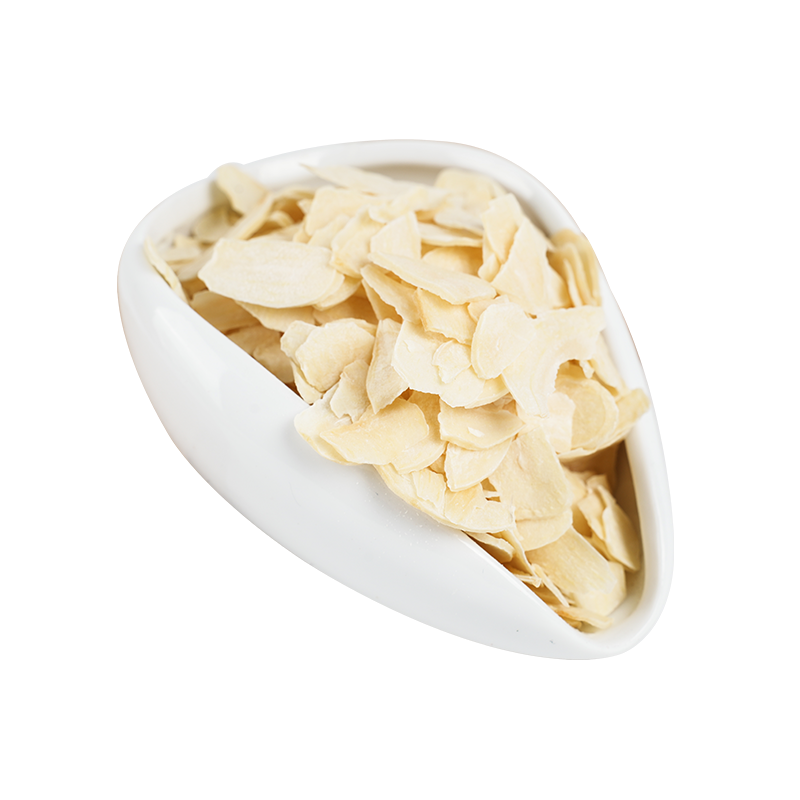 Whole Dehydrated Garlic for Low-Sodium SeasoningDehydrated garlic offers the same naturally low sodium profile as powder but in larger pieces, ideal for quick rehydration and versatile flavor enhancement in soups, sauces, and rubs.View Product →

 Xinqian Village (Dehydrated Fruit and Vegetable Industrial Park), Duotian Street, Xinghua City, Taizhou City, Jiangsu Province, China
 +86-13852647168
