

 English
 中文简体
中文简体Content
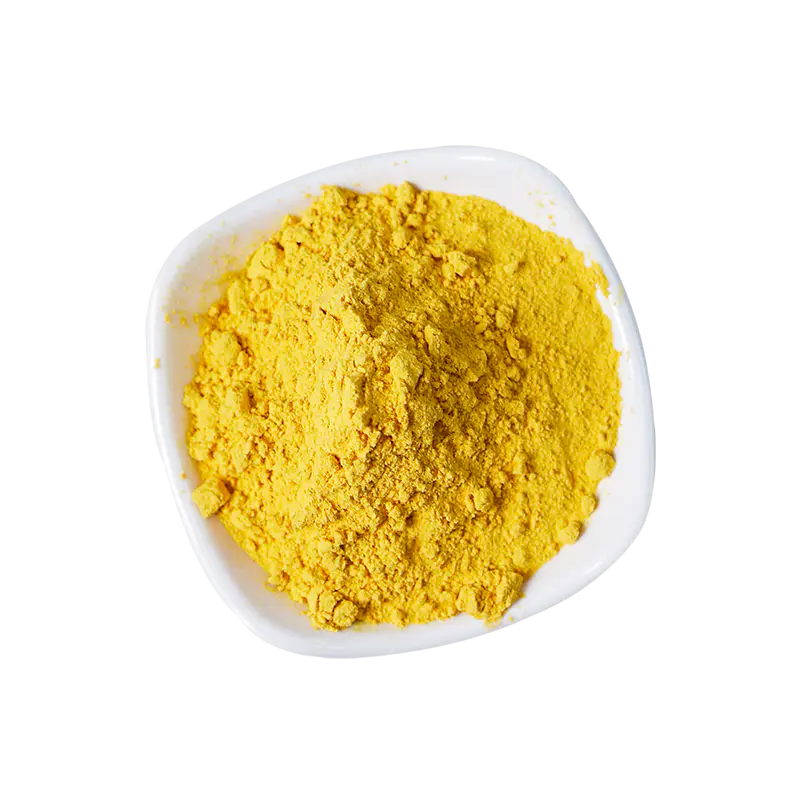
Understanding Pumpkin Powder Particle Size
Pumpkin powder is widely used in culinary and food processing applications for its nutritional value and natural color. One critical factor that affects its performance in recipes is particle size. The size of the powder particles influences not only how easily it dissolves in liquids but also the texture, mouthfeel, and overall consistency of the final product. Understanding these effects can help chefs and manufacturers optimize recipes and production processes.
Impact on Solubility
Smaller particle sizes generally dissolve more quickly and evenly in liquids compared to larger particles. This is because finer particles have a larger surface area relative to their volume, allowing water or other liquids to penetrate and hydrate the powder efficiently. Coarse pumpkin powder may result in uneven solubility, leaving lumps or gritty textures in beverages, soups, or sauces.
Factors Affecting Solubility
- Particle diameter: Smaller diameters increase surface contact with liquid
- Powder density: Fine powder tends to disperse more easily
- Hydration time: Finer powders reach full hydration faster
- Agitation method: Stirring or blending can compensate for coarser particles
Effect on Texture in Recipes
The particle size of pumpkin powder also plays a significant role in determining the texture of both solid and liquid recipes. In baked goods, finer powder integrates smoothly into batters, contributing to uniform crumb structure and consistent moisture distribution. Coarser powder may produce a slightly grainy texture and uneven color dispersion. In soups, sauces, or smoothies, finer particles result in a smoother mouthfeel, while coarser particles can create a rustic or chunky texture.
Texture Optimization Tips
- Use fine pumpkin powder for smooth beverages and sauces
- Coarser powder can enhance rustic baked goods or natural texture in muffins
- Adjust hydration and blending techniques according to particle size
- Consider sieving the powder for uniform texture in sensitive recipes
Practical Considerations for Particle Size Selection
Choosing the right particle size depends on the specific application and desired outcome. Food manufacturers may produce multiple grades of pumpkin powder, such as superfine, fine, and coarse, each suited for different culinary purposes. Understanding the relationship between particle size, solubility, and texture helps in achieving consistency, improving product quality, and enhancing the sensory experience for consumers.
Comparison Table of Pumpkin Powder Grades
| Grade | Particle Size | Solubility | Texture in Recipes |
| Superfine | <150 microns | Excellent | Smooth and uniform |
| Fine | 150–250 microns | Good | Mostly smooth with slight texture |
| Coarse | >250 microns | Moderate | Grainy or rustic texture |
Conclusion
The particle size of pumpkin powder has a direct and measurable effect on both solubility and texture in culinary applications. Finer particles dissolve faster and produce smoother textures, while coarser powders may provide a rustic appearance and tactile variation. Selecting the appropriate grade of pumpkin powder is essential for achieving consistent results in beverages, baked goods, soups, and sauces, ensuring optimal quality and consumer satisfaction.
 Previous

 Xinqian Village (Dehydrated Fruit and Vegetable Industrial Park), Duotian Street, Xinghua City, Taizhou City, Jiangsu Province, China
 +86-13852647168
