

 English
 中文简体
中文简体Dried vegetables — including dried pumpkin, dried chives, dried spring onion, dried carrot, dried cabbage, dried kimchi, and dried potato — are concentrated, shelf-stable ingredients used across instant food manufacturing, seasoning blends, soup bases, pet snacks, and vegetable powder production. Whether you are a food manufacturer sourcing bulk input materials, a pet food formulator seeking natural fiber additions, or a retailer developing clean-label snack products, understanding the processing methods, nutritional retention, and product specifications for each type is essential to making informed sourcing and formulation decisions. This article covers all major product types, processing differences, quality benchmarks, and practical application guidance.
Content
- 1 How Dried Vegetables Are Processed and Why It Matters
- 2 Product-by-Product Guide: Key Specifications and Uses
- 3 Nutritional Comparison Across Key Dried Vegetables
- 4 Vegetable Powder Applications in Food Manufacturing
- 5 Dried Vegetables and Vegetable Powders in Pet Snacks
- 6 Processing Method vs. Application: Choosing the Right Grade
- 7 Quality Standards and Sourcing Checklist
- 8 Shelf Life, Packaging, and Storage Requirements
How Dried Vegetables Are Processed and Why It Matters
The drying method applied to vegetables directly determines color retention, nutrient preservation, rehydration behavior, shelf life, and cost. Four primary technologies dominate commercial dried vegetable production:
Hot Air Drying (AD)
Hot air drying is the most common and cost-effective method, circulating heated air (typically 60–80°C) through vegetable pieces until moisture content drops to 8% or below. It suits high-volume commodities such as dried carrot, dried cabbage, and dried potato where price competitiveness outweighs maximum color retention. The main drawback is moderate nutrient loss — Vitamin C retention is typically 40–60% compared to fresh raw material — and some browning due to Maillard reactions at higher temperatures.
Freeze Drying (FD)
Freeze drying sublimates moisture from frozen vegetables under vacuum, preserving cell structure, color, and nutrients with minimal heat damage. Vitamin C retention can reach 80–95%, and rehydration restores close to fresh texture within 2–5 minutes. Freeze-dried products command premium pricing — typically 3–6× the cost of equivalent AD product — and are specified for ready meals, high-end instant soups, camping food, and premium pet snack formulations where sensory quality justifies the cost.
Spray Drying (for Powders)
Spray drying converts vegetable purees or juices into fine powders by atomizing liquid through hot air in a drying chamber. This is the dominant production method for pumpkin powder, carrot powder, and other vegetable powders. Outlet temperatures are controlled at 80–100°C to protect heat-sensitive pigments such as beta-carotene. Particle size of spray-dried vegetable powders typically falls in the 100–300 µm range, ideal for instant beverage blends, seasoning coatings, and encapsulation applications.
Vacuum Belt Drying (VBD)
Vacuum belt drying processes liquid or semi-liquid feeds continuously on a heated belt under vacuum, producing a porous slab that is milled into powder. It operates at lower temperatures than spray drying (50–70°C), resulting in superior color, aroma, and bioactive retention. VBD pumpkin powder and VBD tomato powder are increasingly specified in premium soup mixes and functional food applications where clean color without artificial additives is a marketing requirement.
Product-by-Product Guide: Key Specifications and Uses
Dried Pumpkin and Pumpkin Powder
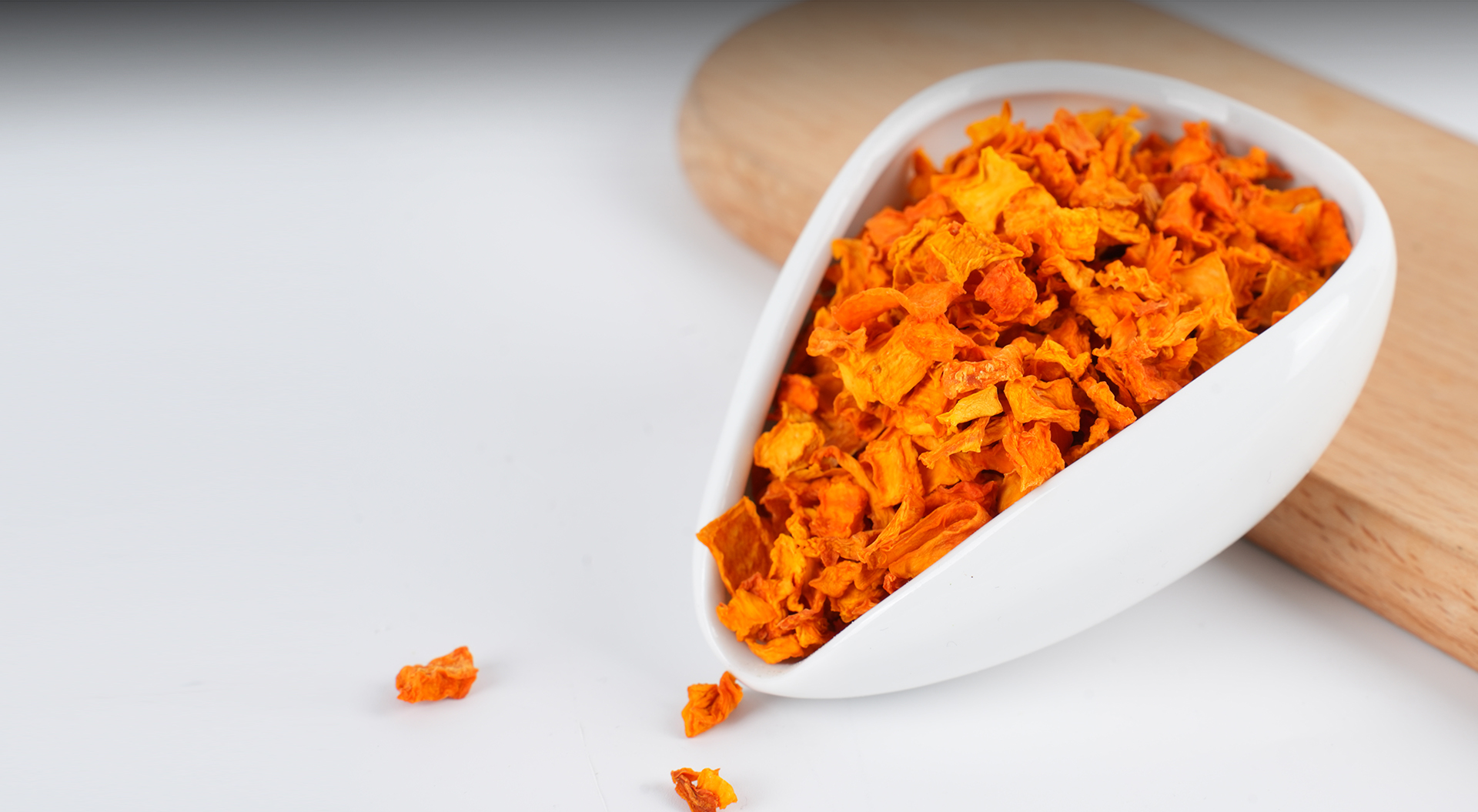
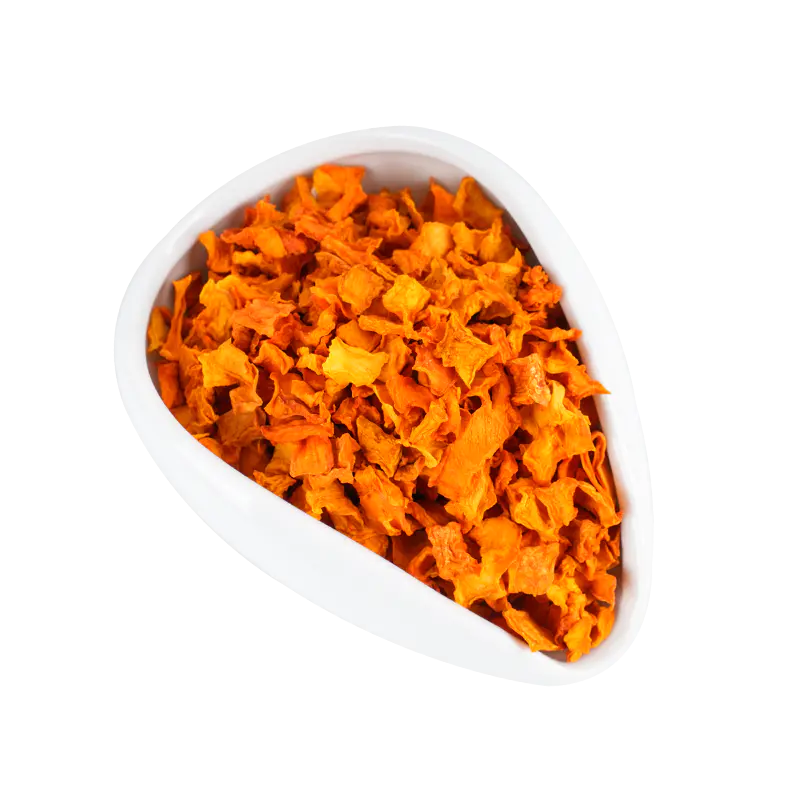
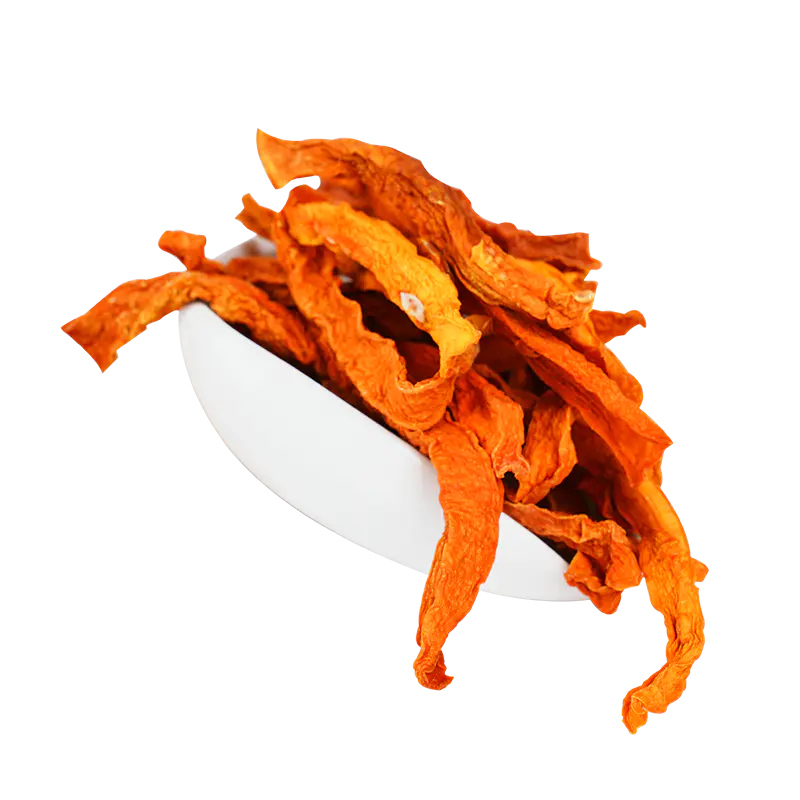
Dried pumpkin is produced from Cucurbita maxima or Cucurbita moschata varieties, which offer the highest beta-carotene content — typically 3.5–6.0 mg beta-carotene per 100 g dry weight depending on variety and processing. Diced or sliced dried pumpkin (AD) with moisture ≤ 8% and uniform orange color (ASTA color units ≥ 40) is the standard specification for instant soup manufacturers and pet food producers.
Pumpkin powder — produced by spray drying or VBD — concentrates the nutritional profile further, delivering beta-carotene, dietary fiber (4–8% by weight), potassium, and Vitamin A precursors in a fine, dispersible format. It is used in pasta coloring, baby food formulations, smoothie blends, and as a natural orange colorant in snack seasonings. Bulk pumpkin powder is typically packed in 25 kg multi-layer kraft bags with inner PE liner to prevent moisture reabsorption during storage.
Dried Chives and Dried Spring Onion
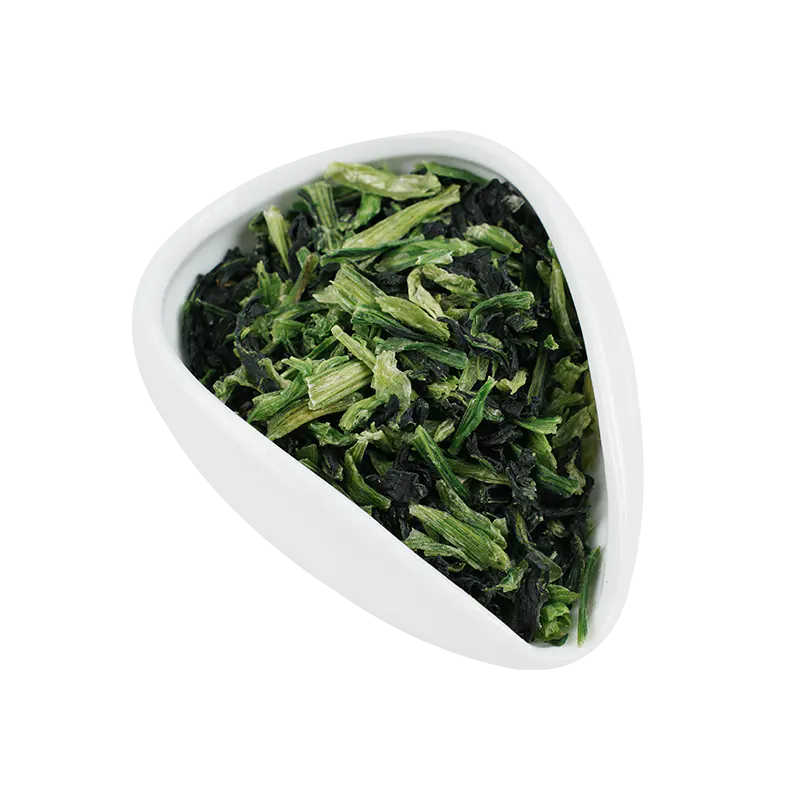
Dried chives (Allium schoenoprasum) and dried spring onion (Allium fistulosum) are closely related but differ in intensity and application. Dried chives are valued for their mild onion-herb flavor and vivid green color when properly processed. Freeze-dried chives retain near-fresh green color (measured by chlorophyll content: typically 2.0–4.5 mg/g dry weight in FD vs. 0.8–1.8 mg/g in AD), making FD the preferred grade for visible garnishing applications on noodles, chips, and cream cheese products.
Dried spring onion — both the green top and white bulb — is processed primarily by AD and used extensively in instant noodle seasoning packets, ramen soup bases, and Asian condiment blends. Standard commercial specification calls for moisture ≤ 6%, sulfur compound content sufficient for characteristic pungency, and total plate count ≤ 100,000 CFU/g. Bulk ordering of dried spring onion typically starts from 100 kg, with 500 kg MOQ common for contracted supply.
Dried Carrot
Dried carrot is one of the highest-volume dried vegetables globally, driven by demand from instant soup, cup noodle, and dried meal kit categories. Key commercial forms include diced (3×3 mm, 5×5 mm, 10×10 mm), shredded, and sliced. Beta-carotene content in dried carrot averages 80–120 mg per 100 g dry weight — among the highest of any dried vegetable — making it a preferred natural color and nutrition source.
Quality standards for export-grade dried carrot typically specify: moisture ≤ 8%, color uniformity (orange, no green core), rehydration ratio ≥ 1:5, SO₂ residue ≤ 500 ppm (for bleached/sulphited grades), and pesticide compliance with EU MRL regulations. Non-sulphited organic dried carrot commands a 20–40% price premium and is the preferred grade for clean-label and organic certified products.
Dried Cabbage
Dried cabbage is produced from white, green, or red cabbage varieties. It is a staple ingredient in instant ramen, miso soup packets, and dehydrated meal kits. Shredded dried cabbage (2–4 mm width) is the dominant commercial form, with moisture ≤ 8% and rehydration ratio of approximately 1:6 to 1:8 — meaning 100 g dried cabbage yields 600–800 g rehydrated product.
Red dried cabbage, with its high anthocyanin content, is increasingly used as a natural pH indicator and natural colorant in food systems. Anthocyanin concentration in dried red cabbage typically ranges from 150–400 mg/100 g dry weight, depending on variety and process temperature.
Dried Kimchi
Dried kimchi is a processed derivative of traditional fermented Korean kimchi, produced by low-temperature drying of fermented napa cabbage with chili, garlic, ginger, and salted seafood or vegan substitutes. The drying process halts active fermentation but preserves the flavor profile and partially retains probiotic markers.
Dried kimchi is used as a seasoning ingredient in instant noodle packets, kimchi-flavored snacks, and rice dish mixes. Standard moisture specification is ≤ 10%, with Aw (water activity) ≤ 0.60 to prevent microbial growth during ambient storage. Dried kimchi is a high-value niche product — wholesale pricing is typically 3–5× that of dried cabbage — and is sourced primarily from South Korea and China for global markets.
Dried Potato
Dried potato encompasses several commercial formats: potato flakes, potato granules, potato dice, and potato slices. Potato flakes (produced by drum drying cooked mashed potato) and granules (produced by agglomeration and fluidized bed drying) are the primary industrial formats, used in instant mashed potato products, snack coatings, and bakery applications.
Diced dried potato (AD, 10×10×10 mm) is a key ingredient in dry soup mixes and freeze-dried camping meals. Standard specification requires moisture ≤ 8%, rehydration ratio ≥ 1:4, and freedom from black spots, greening, or bruising. Potato is among the highest-yield dried vegetables by weight — fresh-to-dry conversion ratio is approximately 4:1 to 5:1 — making it cost-competitive at scale.
Nutritional Comparison Across Key Dried Vegetables
Understanding the nutritional profile of dried vegetables on a dry-weight basis helps formulators make informed ingredient choices for both human food and pet snack applications.
| Dried Vegetable | Calories (kcal) | Dietary Fiber (g) | Beta-Carotene (mg) | Vitamin C (mg) | Notable Nutrient |
|---|---|---|---|---|---|
| Dried Pumpkin | ~280 | 6–10 | 3.5–6.0 | 15–30 | Beta-carotene, potassium |
| Dried Carrot | ~340 | 12–18 | 80–120 | 8–20 | Highest beta-carotene |
| Dried Cabbage | ~250 | 15–22 | 0.1–0.5 | 100–250 | High fiber, Vitamin C |
| Dried Chives | ~300 | 18–26 | 5–9 | 80–180 | Chlorophyll, Vitamin K |
| Dried Spring Onion | ~320 | 14–20 | 2–5 | 60–130 | Allicin, quercetin |
| Dried Potato | ~350 | 8–14 | <0.1 | 20–60 | Resistant starch, potassium |
| Dried Kimchi | ~220 | 10–16 | 1–3 | 30–80 | Fermented bioactives, capsaicin |
Dried carrot stands out as the beta-carotene leader by a significant margin, while dried cabbage and chives offer the highest dietary fiber and Vitamin C levels respectively. These nutritional differentials should guide which dried vegetables are prioritized in functional food or pet snack formulations.
Vegetable Powder Applications in Food Manufacturing
Vegetable powders — including pumpkin powder, carrot powder, spinach powder, and beet powder — serve both functional and aesthetic roles across a wide range of food categories. Their key advantages over whole dried vegetables are instant dispersibility, uniform color delivery, and ease of incorporation into dry blends.
Seasoning and Coating Systems
Vegetable powders are blended into dry seasoning coatings for chips, crackers, and extruded snacks. Pumpkin powder at 2–5% inclusion delivers visible orange color and a mild sweet flavor without artificial colorants. Carrot powder at similar inclusion rates provides beta-carotene enrichment with a clean label claim of "contains carrot." The fine particle size of spray-dried powders (typically 100–250 µm) ensures even coating adhesion during tumbling.
Pasta, Noodle, and Bakery Coloring
Pumpkin powder and carrot powder are widely used to produce naturally colored pasta and noodles. At 3–8% powder addition to flour weight, both deliver stable orange-yellow hues that survive the extrusion and drying process. The beta-carotene in these powders is relatively heat-stable up to 120°C, retaining approximately 70–85% of original content through pasta extrusion and drying.
Instant Soup and Sauce Bases
Pumpkin powder is a primary ingredient in commercial pumpkin soup mixes, contributing body, color, and flavor simultaneously. A typical dry pumpkin soup mix contains 30–50% pumpkin powder by weight, with the remainder being cream powder, starch, salt, and flavoring. The powder reconstitutes fully in hot water within 60–90 seconds, which is the functional benchmark for instant soup applications.
Functional Food and Nutraceutical Applications
As clean-label and functional food trends drive reformulation, vegetable powders serve as natural enrichment agents in smoothie blends, protein powders, meal replacement shakes, and infant cereals. Pumpkin powder provides beta-carotene (pro-vitamin A), fiber, and zinc; carrot powder delivers concentrated carotenoids; and spring onion powder contributes quercetin and organosulfur compounds. Standardized powders with guaranteed minimum beta-carotene content (e.g., ≥ 50 mg/100 g for carrot powder) are preferred in nutraceutical formulations requiring label claims.
Dried Vegetables and Vegetable Powders in Pet Snacks
Pet snack formulation is one of the fastest-growing application segments for dried vegetables and vegetable powders, driven by humanization trends in pet care and owner demand for natural, identifiable ingredients in treats and toppers.
Why Pumpkin Is the Leading Pet Snack Vegetable
Dried pumpkin and pumpkin powder are among the most widely used vegetable ingredients in pet food and pet snacks globally. Pumpkin's high soluble fiber content (pectin) supports digestive regularity in dogs and cats — a clinically recognized benefit that has been widely communicated to pet owners. Pumpkin powder at 2–10% inclusion in dog treat formulations provides visible orange color (a positive purchase signal), mild palatability, and a digestive health positioning without requiring pharmaceutical claims.
For cat treats and wet food toppers, freeze-dried pumpkin pieces are used as visible inclusions, signaling freshness and naturalness. The soft, rapidly rehydrating texture of freeze-dried pumpkin is well-accepted by cats, unlike firmer AD pieces.
Dried Carrot in Pet Treats
Dried carrot is used in dog biscuits and chew treats both as a functional ingredient and a visual inclusion. Its natural sweetness is well-accepted by dogs, and the high beta-carotene content supports skin and coat health claims. Diced dried carrot (5×5 mm or 10×10 mm) provides visible vegetable pieces in mixed treats, which test positively in consumer focus groups for pet owners seeking "real food" ingredients. Carrot is also low in calories (approximately 35 kcal per 100 g fresh), supporting "healthy snack" positioning.
Dried Cabbage and Chives as Supporting Ingredients
Dried cabbage is included in some dog food toppers and baked treats at low levels (2–5%) as a source of natural dietary fiber and glucosinolates. However, formulators must note that large amounts of raw or dried cruciferous vegetables can interfere with thyroid function in dogs and cats — dried cabbage inclusion should be kept below 5% of total dry matter in pet formulations, and chives or any Allium species must be strictly excluded from pet food due to dose-dependent toxicity (thiosulfate compounds cause hemolytic anemia in both dogs and cats at as little as 0.5% of body weight in fresh equivalent).
This distinction is critical: while dried chives and dried spring onion are safe and desirable in human food applications, they must never be formulated into pet snacks or pet food regardless of inclusion level.
Regulatory Considerations for Pet Snack Ingredients
Pet food and pet snack manufacturers sourcing dried vegetables must confirm that ingredients meet applicable feed-grade standards. In the EU, pet food ingredients fall under Regulation (EC) No 767/2009 and must comply with contaminant limits set under Directive 2002/32/EC. In the US, AAFCO ingredient definitions and state feed regulations apply. Pesticide MRL compliance, mycotoxin testing (particularly aflatoxin ≤ 10 ppb and ochratoxin ≤ 20 ppb), and heavy metal limits (lead ≤ 5 ppm, cadmium ≤ 1 ppm) are standard quality gates for dried vegetable ingredients entering pet food supply chains.
Processing Method vs. Application: Choosing the Right Grade
| Vegetable | Best AD Application | Best FD Application | Best Powder Application | Pet Snack Suitable? |
|---|---|---|---|---|
| Pumpkin | Instant soup, noodles | Premium meals, pet toppers | Soup bases, baby food, coloring | Yes (all forms) |
| Carrot | Cup noodles, mixed veg | Camping meals, premium soups | Pasta coloring, seasoning | Yes (all forms) |
| Chives | Noodle seasoning, ramen | Visible garnish, cream cheese | Seasoning blends | No — toxic to pets |
| Spring Onion | Instant noodles, condiments | Premium meal kits | Savory seasonings | No — toxic to pets |
| Cabbage | Ramen, miso soup, meal kits | High-end instant soups | Fiber enrichment | Yes, ≤5% inclusion |
| Kimchi | Snack seasonings, noodles | Specialty instant meals | Flavor seasoning blends | No — contains Allium |
| Potato | Dry soup mix, snack coatings | Camping/backpacking meals | Instant mash, bakery | Yes, in moderation |
Quality Standards and Sourcing Checklist
When sourcing dried vegetables and vegetable powders at commercial scale, the following quality parameters should be confirmed with suppliers before contracts are finalized:
- Moisture content: ≤ 8% for most dried vegetables; ≤ 5% for powders to ensure flowability and prevent caking
- Water activity (Aw): ≤ 0.60 for ambient-stable products; critical for products with residual sugar (pumpkin, carrot) that are prone to mold growth at higher Aw
- Microbiological limits: Total plate count ≤ 100,000 CFU/g; Salmonella absent in 25 g; E. coli ≤ 10 CFU/g; Yeast & mold ≤ 1,000 CFU/g (standard for human food grade)
- Pesticide residue compliance: EU MRL (Regulation EC 396/2005) or importing country equivalent; request multi-residue screening reports per lot
- Heavy metal limits: Lead ≤ 0.1 ppm (EU food standard); cadmium ≤ 0.05 ppm; arsenic ≤ 0.1 ppm for most dried vegetables
- Color specification: Request colorimetric measurement (L*, a*, b* values) to ensure batch-to-batch consistency, particularly for pumpkin powder and dried carrot
- Rehydration ratio: Tested per agreed protocol (e.g., 10 minutes in 85°C water); ensures product performs as expected in end-use application
- Certifications: ISO 22000 or FSSC 22000 food safety system; organic (EU Organic / USDA NOP) if required; Halal/Kosher if targeting relevant markets
For pet snack applications, additionally request feed-grade certification and mycotoxin testing results (aflatoxin, ochratoxin, DON) from each production lot, as pet food regulators in both the EU and US enforce mycotoxin limits more stringently than some general food standards.
Shelf Life, Packaging, and Storage Requirements
Proper packaging and storage conditions are as critical as initial product quality in preserving the color, flavor, and microbial safety of dried vegetables and powders over their intended shelf life.
- Standard AD dried vegetables: shelf life of 18–24 months in sealed poly bags or cartons stored at ≤ 25°C, ≤ 60% relative humidity, away from direct sunlight
- Freeze-dried vegetables: shelf life of 2–5 years in sealed, nitrogen-flushed foil pouches or cans; oxygen scavengers extend this further for backpacking or emergency food applications
- Vegetable powders: shelf life of 12–24 months; highly hygroscopic — must be stored in moisture-barrier packaging (multi-layer kraft with PE liner or foil bags) sealed immediately after use; exposure to humidity causes caking and color degradation within days
- Dried kimchi: shorter shelf life of 12–18 months due to residual organic acids and active flavor volatiles that continue evolving in storage; refrigerated storage recommended once opened
- Bulk packing: 10 kg, 20 kg, or 25 kg cartons with inner PE bags are standard for B2B supply; nitrogen flushing prior to sealing is recommended for high-value products (FD, pumpkin powder) to retard oxidative color loss
Maintaining cold chain during ocean freight (where applicable) and ensuring warehouse humidity control at the receiving end are the two most commonly overlooked factors in dried vegetable quality deterioration between supplier and food manufacturer.
 Previous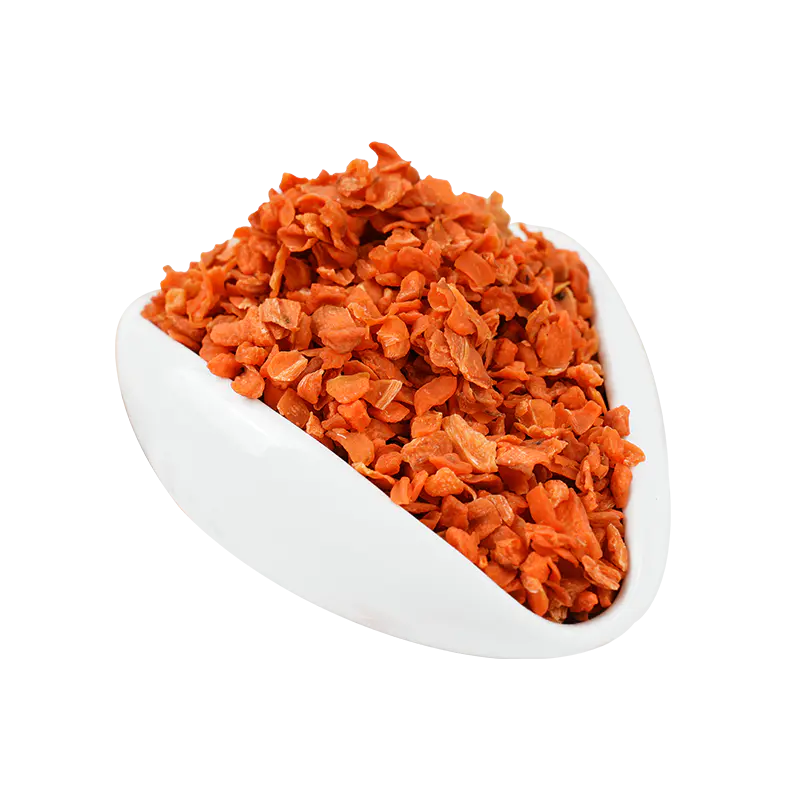

 Xinqian Village (Dehydrated Fruit and Vegetable Industrial Park), Duotian Street, Xinghua City, Taizhou City, Jiangsu Province, China
 +86-13852647168
