

 English
 中文简体
中文简体Content
- 1 Understanding Dehydrated Vegetables: Processing Methods and What They Mean for Buyers
- 2 Key Quality Specifications to Evaluate When Sourcing in Bulk
- 3 Most Commercially Sourced Bulk Dried Vegetables and Their Primary Uses
- 4 End-Use Applications That Drive Bulk Purchasing Decisions
- 5 Practical Sourcing Tips for Bulk Dehydrated Vegetable Procurement
Understanding Dehydrated Vegetables: Processing Methods and What They Mean for Buyers
Dehydrated vegetables are produced by removing moisture from fresh vegetables through controlled drying processes that preserve the vegetable's cellular structure, color, and nutritional profile. The two most commercially significant methods are air drying (also called hot-air or tunnel drying) and freeze-drying, and the choice between them has direct implications for product quality, price point, and end-use suitability — all critical factors when sourcing at volume.
Air drying uses heated airflow at temperatures typically ranging from 50°C to 80°C to evaporate moisture from sliced or diced vegetables over several hours. This method is cost-effective and scalable, making it the dominant technique for commodity-grade bulk dried vegetables used in soups, sauces, seasoning blends, and processed food manufacturing. The thermal process causes some color shift and nutrient degradation — particularly water-soluble vitamins such as vitamin C and B-complex — but the resulting product retains strong fiber content, essential minerals, and functional flavor compounds that perform well in cooked applications.
Freeze-drying (lyophilization) removes moisture through sublimation: the vegetable is first frozen, then exposed to a vacuum environment where ice converts directly to vapor without passing through a liquid phase. This gentle process preserves cell structure, original color, and a significantly higher proportion of heat-sensitive nutrients compared to air drying. Freeze-dried vegetables rehydrate rapidly and closely approximate the texture of fresh vegetables — qualities that command a price premium and make them the preferred choice for ready-to-eat meals, military rations, premium camping food, and health supplements where sensory quality and nutritional density are non-negotiable.
Key Quality Specifications to Evaluate When Sourcing in Bulk
When procuring bulk dried vegetables for commercial use, generic product descriptions are insufficient. Buyers need to specify and verify a precise set of technical parameters to ensure the product meets their formulation, safety, and logistics requirements. Inconsistency in these specifications is one of the most common sources of supply chain friction in the dehydrated food category.
Critical Specification Parameters
| Parameter | Typical Range | Why It Matters |
|---|---|---|
| Moisture Content | ≤5% (air dried), ≤3% (freeze dried) | Determines shelf life and microbial stability |
| Cut Size / Form | Powder, granule, flake, dice, slice | Affects rehydration rate and recipe suitability |
| Color Grade | Per ASTA or Lovibond scale (varies by type) | Impacts finished product appearance |
| Rehydration Ratio | 1:4 to 1:10 depending on vegetable | Determines yield and formulation cost-in-use |
| Microbial Limits | TPC ≤100,000 CFU/g; Salmonella absent | Food safety compliance requirement |
| Pesticide Residue | Per EU MRL or USDA/FDA standards | Regulatory compliance for target market |
| Shelf Life | 12–36 months (varies by packaging) | Inventory planning and lead time management |
Moisture content is the single most critical specification because it governs both microbial safety and shelf life. Dehydrated vegetables with moisture above 5% are vulnerable to mold growth and enzymatic activity during storage, particularly in humid transit environments. Buyers sourcing for long-term storage applications — including emergency supplies and military rations — should insist on moisture content verified by third-party laboratory testing, not solely supplier-reported values.
Most Commercially Sourced Bulk Dried Vegetables and Their Primary Uses
Not all vegetables dehydrate equally well, and commercial demand is concentrated around varieties that combine agronomic availability, processing efficiency, and strong end-use demand. Understanding which vegetables dominate the bulk market — and why — helps buyers align sourcing decisions with both supply reliability and application fit.
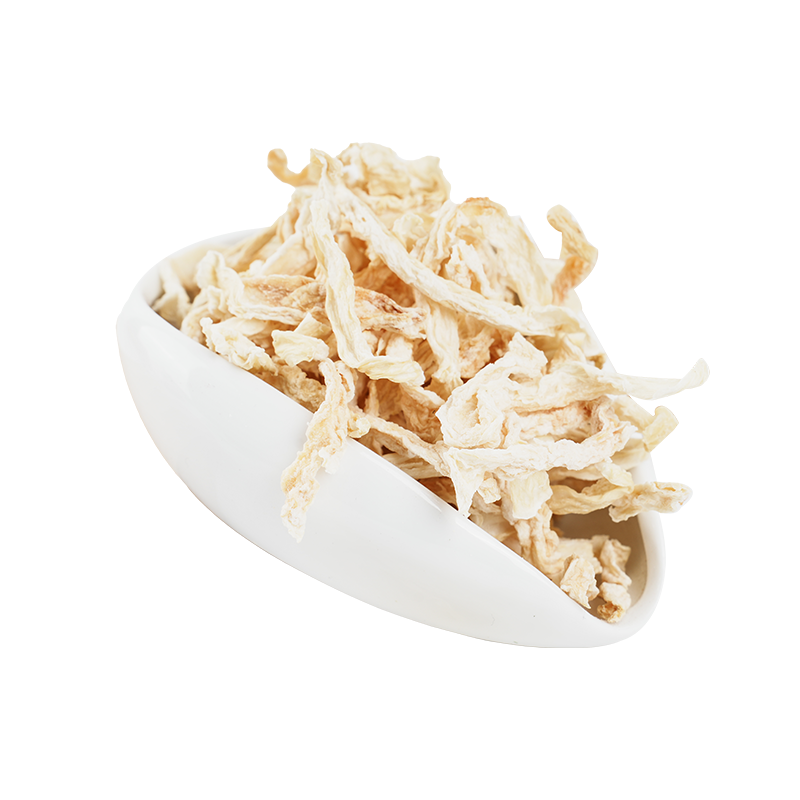
- Onion and Garlic: The highest-volume categories globally. Available as powder, granules, minced, and flakes. Used extensively in soups, sauces, seasoning blends, snack coatings, and meat processing. China, India, and Egypt are the dominant producing countries.
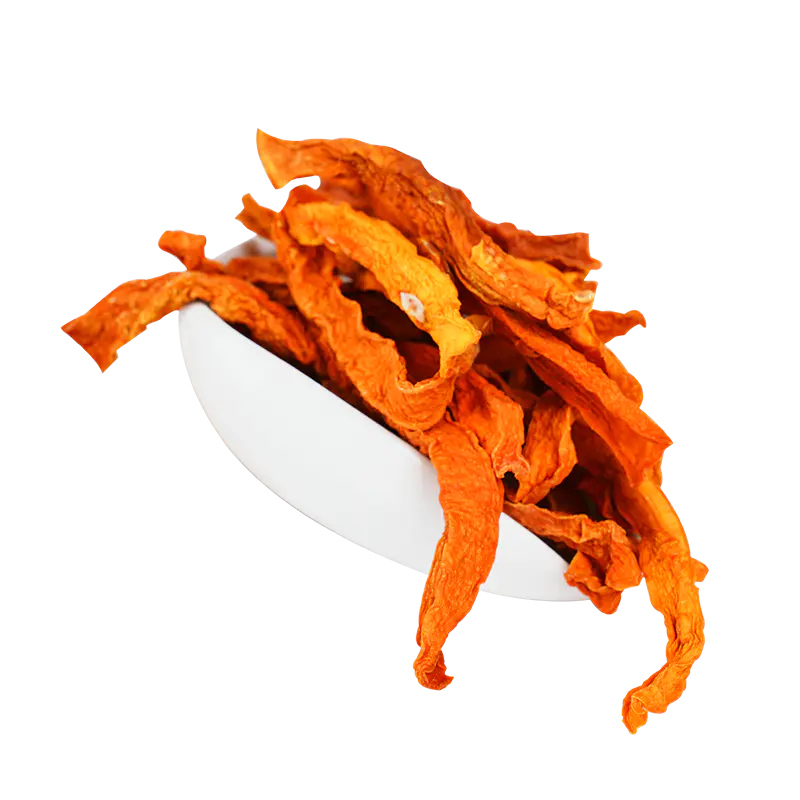
- Carrot: Available diced and sliced; widely used in instant noodle seasoning packets, dehydrated soup mixes, and pet foods. Retains good color and sweetness when air dried at controlled temperatures.
- Tomato: Sourced as powder, flakes, or paste powder. A core ingredient in pizza toppings, pasta sauces, snack seasonings, and ready-to-eat meals. High lycopene content makes tomato powder increasingly popular in health supplements.
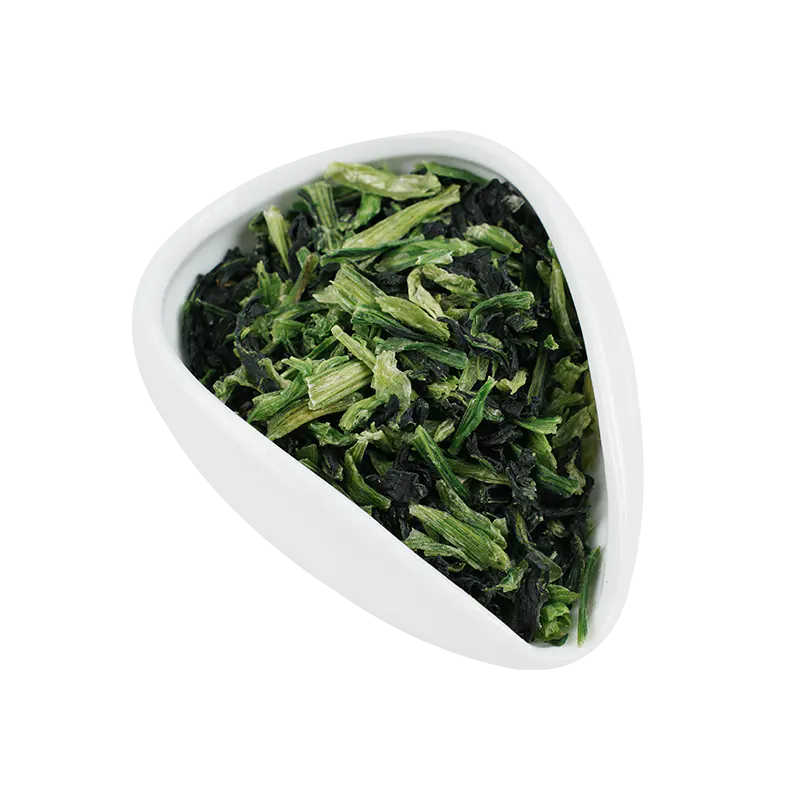
- Spinach and Kale: Available as powder and flakes; primarily used in green powder blends, health supplements, functional snacks, and pasta coloring. Freeze-dried formats are preferred for premium supplement applications.
- Sweet Corn and Peas: High demand in freeze-dried form for camping food, military rations, and premium instant meal kits. Air-dried versions are used in bulk soup mixes and pet food formulations.
- Bell Pepper: Available diced and as powder across red, yellow, and green variants. Used in seasoning blends, snack products, and ready-to-eat meal kits. Good color retention makes it visually appealing in finished products.
End-Use Applications That Drive Bulk Purchasing Decisions
The end application determines not only which vegetables a buyer needs, but which processing method, cut form, and quality grade is appropriate. Sourcing decisions made without reference to end-use requirements frequently result in product that performs poorly in production — either failing to rehydrate correctly, delivering inconsistent flavor, or not meeting finished product labeling claims.
In soups and sauces, the key requirement is consistent flavor release and color stability during cooking. Air-dried diced vegetables with standardized cut sizes ensure even cooking and predictable yield across production batches. For dry soup mixes, moisture content must be tightly controlled to prevent clumping and extend shelf life without preservatives — a core advantage of properly processed dehydrated vegetables over fresh or frozen alternatives in this format.
For ready-to-eat meals and camping food, freeze-dried vegetables are strongly preferred because they rehydrate in minutes with hot water and closely replicate the texture and color of freshly cooked vegetables. This rapid rehydration and sensory quality is non-negotiable in outdoor and emergency nutrition contexts, where cooking infrastructure is limited and consumer expectations around meal quality are rising. The lightweight and compact nature of freeze-dried product also reduces pack weight — a direct functional benefit for camping, hiking, and military ration applications.
The pet food industry represents a growing and often overlooked demand channel for bulk dried vegetables. Carrots, peas, sweet potato, and spinach are increasingly incorporated into premium dry and semi-moist pet food formulations as fiber sources and natural color contributors. Pet food manufacturers typically require consistent cut size, low microbial counts, and the absence of added salt or preservatives — specifications that align closely with human food grade standards and should be confirmed with suppliers before ordering.
In health supplements, vegetable powders — particularly from spinach, kale, beet, and tomato — are incorporated into greens blends, multivitamin tablets, and functional drink mixes. Buyers in this channel prioritize nutrient density, ORAC values, and clean-label compliance. Freeze-dried powder commands a significant premium over spray-dried or drum-dried alternatives due to better retention of polyphenols and heat-sensitive phytonutrients.
Practical Sourcing Tips for Bulk Dehydrated Vegetable Procurement
Sourcing bulk dried vegetables at scale requires more than identifying a price-competitive supplier. Supply consistency, traceability, certification compliance, and packaging capability all affect the total cost and risk profile of the supply relationship. The following practical guidance addresses the most common sourcing challenges buyers encounter.
- Request a full Certificate of Analysis (COA) for every lot: A COA should include moisture content, microbial results, pesticide residue screening, heavy metals, and physical inspection data. Suppliers unable to provide lot-traceable COAs are a significant food safety risk at any volume.
- Verify certifications relevant to your market: For export to the EU, confirm compliance with EU MRL pesticide regulations. For the US market, FDA registration and FSMA compliance are baseline requirements. Organic, Kosher, Halal, and Non-GMO certifications are increasingly demanded by retail and supplement buyers.
- Specify packaging format upfront: Bulk dehydrated vegetables are typically available in 5kg, 10kg, 20kg, and 25kg kraft paper bags or poly-lined fiber drums. For hygroscopic products like onion powder or spinach powder, multi-layer moisture-barrier packaging is essential to prevent caking during transit and storage.
- Evaluate rehydration ratio in your specific application: Rehydration ratios quoted by suppliers are measured under standard laboratory conditions. In actual production, factors like water temperature, contact time, and pH can shift the practical yield. Request product samples for in-house application testing before committing to large volumes.
- Understand seasonal price variation: Raw vegetable prices fluctuate with harvest cycles, weather events, and export policy changes in key producing countries. Building buffer inventory ahead of known tight supply periods — typically post-harvest for garlic and onion — reduces exposure to spot market price spikes.
- Conduct supplier audits for high-volume or long-term contracts: A facility audit — or a credible third-party audit report — should verify GMP compliance, HACCP implementation, allergen control, and traceability systems. For buyers using dehydrated vegetables as ingredients in finished products, supplier qualification is a regulatory expectation, not optional due diligence.
The global market for dehydrated vegetables continues to expand as food manufacturers seek ingredients that reduce cold chain dependency, extend shelf life without preservatives, and support clean-label product development. Buyers who invest in rigorous specification development and supplier qualification early in the sourcing process consistently achieve better quality outcomes, fewer production disruptions, and stronger long-term supplier relationships than those who optimize solely on unit price.
 Previous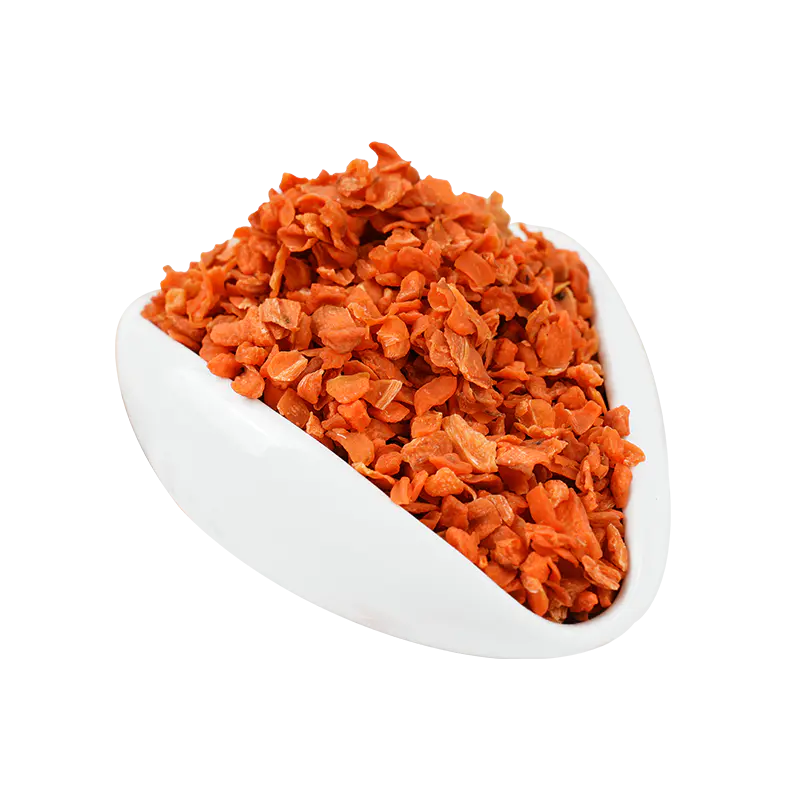

 Xinqian Village (Dehydrated Fruit and Vegetable Industrial Park), Duotian Street, Xinghua City, Taizhou City, Jiangsu Province, China
 +86-13852647168
