

 English
 中文简体
中文简体Content
- 1 Understanding Dehydrated White Radish Strips
- 2 Processing Steps and Raw Material Selection
- 3 Physical Characteristics After Dehydration
- 4 Culinary and Food Processing Applications
- 5 Rehydration Behavior and Preparation Methods
- 6 Packaging, Storage, and Shelf Stability
- 7 Quality Control Focus Points for Buyers
Understanding Dehydrated White Radish Strips
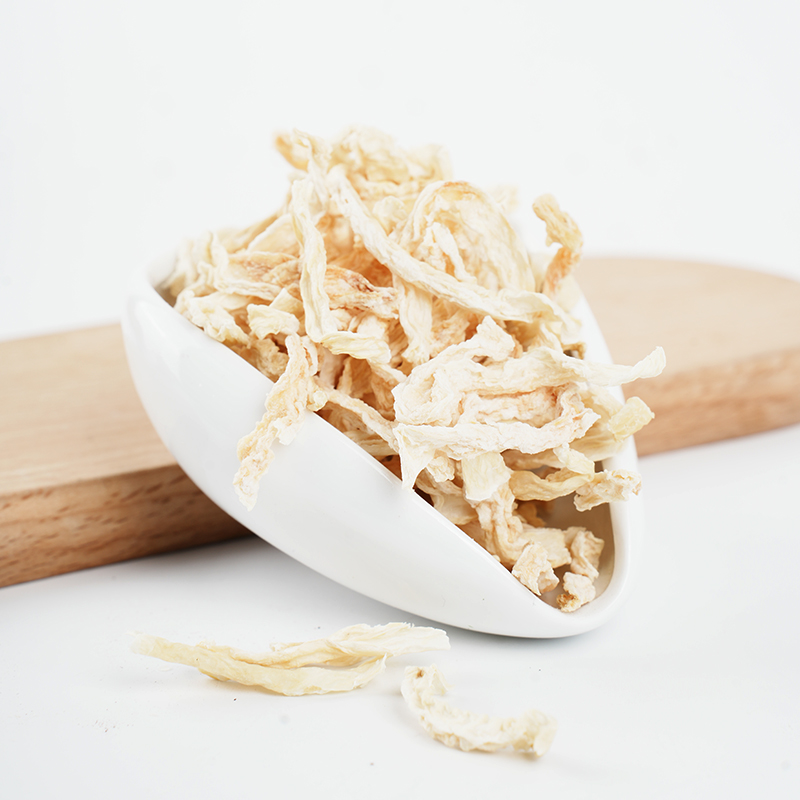
Dehydrated white radish strips are produced by slicing fresh white radish into uniform strips and removing moisture through controlled drying. This process significantly reduces water content while maintaining the radish’s original fiber structure, mild pungency, and natural color. Compared with fresh radish, the dehydrated form offers longer shelf life, reduced storage volume, and stable quality during transportation.
The strip format is widely used because it preserves recognizable shape after rehydration, making it suitable for applications where visual appearance and texture are important. Drying parameters such as temperature and airflow are adjusted to prevent excessive shrinkage or discoloration.
Processing Steps and Raw Material Selection
Production begins with selecting mature white radish roots with consistent size and low fiber breakage. After washing and peeling, the radish is cut into strips with controlled thickness to support even dehydration.
- Washing and trimming to remove soil and surface impurities.
- Precision cutting to maintain uniform strip dimensions.
- Low to medium temperature drying to protect texture and color.
- Final sorting and packaging under dry conditions.
Physical Characteristics After Dehydration
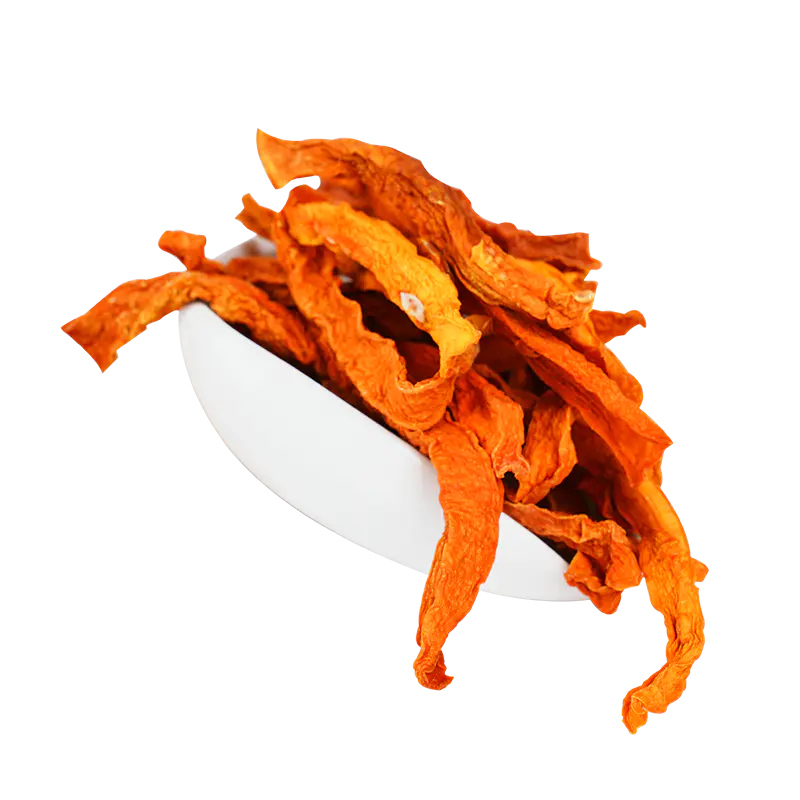
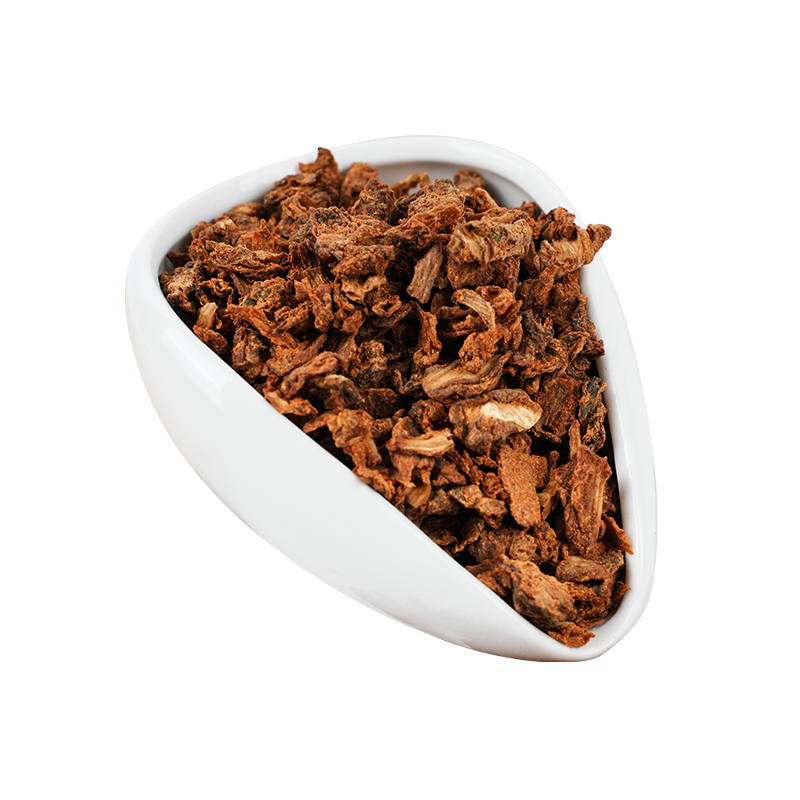
Once dehydrated, white radish strips become lightweight and brittle, with moisture levels low enough to limit microbial activity. The strips typically regain flexibility after soaking, allowing them to resemble fresh radish in cooked dishes.
| Appearance | Off-white to light beige strips |
| Texture | Crisp when dry, flexible after rehydration |
| Moisture Level | Low, suitable for long-term storage |
Culinary and Food Processing Applications
Dehydrated white radish strips are commonly used in soups, stews, pickled dishes, and seasoning blends. Their ability to absorb flavors during cooking makes them suitable for both traditional and industrial food production.
Use in Ready-to-Cook and Dried Meal Kits
In ready-to-cook meal kits, the strips provide vegetable content without the need for refrigeration. They rehydrate quickly during boiling or simmering and integrate well with other dried ingredients.
Application in Seasoned and Pickled Products
After soaking, dehydrated white radish strips are often seasoned or pickled. The drying process enhances their capacity to absorb marinades, resulting in stable texture and flavor consistency.
Rehydration Behavior and Preparation Methods
Rehydration is a key consideration when working with dehydrated white radish strips. Soaking in clean water softens the strips and restores part of their original volume. Warm water shortens soaking time, while cold water supports gradual texture recovery.
- Short soaking for stir-fry and quick-cook dishes.
- Longer soaking for soups and stews requiring full softness.
- Draining after soaking to control water content in recipes.
Packaging, Storage, and Shelf Stability
To maintain quality, dehydrated white radish strips are packaged in moisture-resistant materials. Exposure to humidity can lead to clumping or texture degradation, making controlled storage conditions important.
Dry, cool storage environments support stable color, texture, and usability over extended periods. Bulk buyers often prioritize sealed packaging formats that limit air and moisture exchange.
Quality Control Focus Points for Buyers
Quality evaluation typically focuses on strip uniformity, residual moisture, absence of foreign matter, and rehydration performance. These factors directly influence processing efficiency and final product appearance.
Clear specifications between suppliers and buyers help align expectations for cut size, dryness, and usability, supporting consistent results in commercial food production.
 Previous

 Xinqian Village (Dehydrated Fruit and Vegetable Industrial Park), Duotian Street, Xinghua City, Taizhou City, Jiangsu Province, China
 +86-13852647168
