

 English
 中文简体
中文简体Yes, dehydrated vegetables are genuinely healthy — they retain most minerals, dietary fiber, and a significant portion of vitamins from fresh produce, while concentrating nutrients into a smaller, shelf-stable form. The main trade-off is a measurable reduction in heat-sensitive vitamins, particularly Vitamin C and some B vitamins, during the drying process. For everyday nutrition, long-term food storage, hiking, or cooking convenience, dehydrated vegetables are a practical and nutritionally sound choice. This article covers exactly what dehydration does to nutrients, which vegetables dehydrate best, what the science says about nutritional value, and how long dehydrated vegetables reliably last.
Content
- 1 What Dehydration Actually Does to Vegetable Nutrition
- 2 Nutritional Value of Dehydrated Vegetables: Key Data by Type
- 3 Best Vegetables for Dehydrating: Ranked by Results
- 4 Dehydration Temperatures and Their Impact on Nutrition
- 5 Shelf Life of Dehydrated Vegetables: What the Evidence Shows
- 6 Pre-Treatment Before Dehydrating: When and Why It Matters
- 7 Practical Uses for Dehydrated Vegetables in Everyday Cooking
- 8 Who Benefits Most from Including Dehydrated Vegetables in Their Diet
What Dehydration Actually Does to Vegetable Nutrition
Dehydration removes water — typically reducing moisture content from 80–95% in fresh vegetables down to 5–10% in the finished dried product. This water removal has two distinct nutritional effects that work in opposite directions.
Concentration Effect: More Nutrients per Gram
Because water is removed but most solid nutrients remain, dehydrated vegetables are significantly more nutrient-dense by weight than fresh. For example, 100 g of fresh spinach contains roughly 2.9 g of protein, but 100 g of dehydrated spinach delivers approximately 28–30 g of protein — nearly a 10× concentration. The same multiplication applies to minerals such as iron, calcium, potassium, and magnesium, as well as dietary fiber and complex carbohydrates.
This concentration effect means that even small portions of dehydrated vegetables can contribute meaningfully to daily mineral intake — an important practical advantage for backpackers, people with limited access to fresh produce, and those using dried vegetables in soups and stews.
Heat-Related Nutrient Losses
The downside is that heat-sensitive vitamins degrade during drying. Research consistently shows the following typical losses under standard hot-air dehydration at 55–70°C:
- Vitamin C (ascorbic acid): 30–70% loss depending on temperature and duration — the most heat-sensitive common vegetable nutrient
- Thiamine (Vitamin B1): 20–50% loss
- Folate (Vitamin B9): 20–40% loss
- Beta-carotene (pro-Vitamin A): relatively stable — 70–90% retention in most dehydrated orange and yellow vegetables
- Minerals (iron, calcium, potassium, zinc): essentially no loss — minerals are not destroyed by heat, only by leaching into cooking water
- Dietary fiber: fully preserved — dehydration does not degrade fiber structure
The practical conclusion: dehydrated vegetables are excellent sources of fiber, minerals, and fat-soluble antioxidants (carotenoids), and remain useful sources of B vitamins, but should not be relied upon as a primary source of Vitamin C if fresh or frozen alternatives are available.
How Dehydration Compares to Other Preservation Methods
A common misconception is that fresh vegetables are always nutritionally superior to preserved forms. Research published in food science literature shows that frozen vegetables — blanched before freezing — lose a comparable or sometimes greater amount of Vitamin C than dehydrated equivalents, while canned vegetables undergo significant nutrient leaching into brine or water. Dehydration, particularly at lower temperatures (≤ 55°C), can preserve nutrients comparably to or better than canning, especially for minerals and fiber where neither method causes loss.
Nutritional Value of Dehydrated Vegetables: Key Data by Type
The following table provides a direct comparison of nutritional values for fresh versus dehydrated versions of commonly consumed vegetables, expressed per 100 g dry weight for the dehydrated form and per 100 g fresh weight for the comparison baseline.
| Vegetable | Form | Calories (kcal) | Fiber (g) | Iron (mg) | Vitamin C (mg) | Beta-Carotene (µg) |
|---|---|---|---|---|---|---|
| Spinach | Fresh | 23 | 2.2 | 2.7 | 28 | 5,626 |
| Spinach | Dehydrated | ~290 | ~22 | ~28 | ~50–80 | ~45,000 |
| Carrot | Fresh | 41 | 2.8 | 0.3 | 6 | 8,285 |
| Carrot | Dehydrated | ~341 | ~15 | ~2.5 | ~10–20 | ~80,000 |
| Kale | Fresh | 49 | 3.6 | 1.5 | 120 | 9,226 |
| Kale | Dehydrated | ~310 | ~29 | ~12 | ~80–150 | ~65,000 |
| Sweet Pepper | Fresh | 31 | 2.1 | 0.4 | 128 | 1,624 |
| Sweet Pepper | Dehydrated | ~280 | ~19 | ~3.5 | ~100–200 | ~12,000 |
The data underscores a key point: on a dry-weight basis, dehydrated vegetables are nutritionally dense across all macro- and micronutrient categories. The concentration of iron in dehydrated spinach (~28 mg/100 g) represents over 155% of the average adult's daily recommended intake — a level unachievable from any practical fresh-food serving size.
Best Vegetables for Dehydrating: Ranked by Results
Not all vegetables dehydrate equally well. The best candidates share common characteristics: relatively low moisture content to begin with, structural integrity that survives drying without turning powdery or unpleasantly leathery, and stable flavor and color compounds that hold through the drying process.
Top-Tier Vegetables for Dehydration
- Carrots: Among the most forgiving vegetables to dehydrate. Low moisture (~88%), stable beta-carotene, excellent rehydration. Dice to 5–10 mm cubes or slice 3–5 mm thick; dehydrate at 57–60°C for 6–10 hours. Rehydrate ratio approximately 1:5. Ideal for soups, stews, and trail mixes.
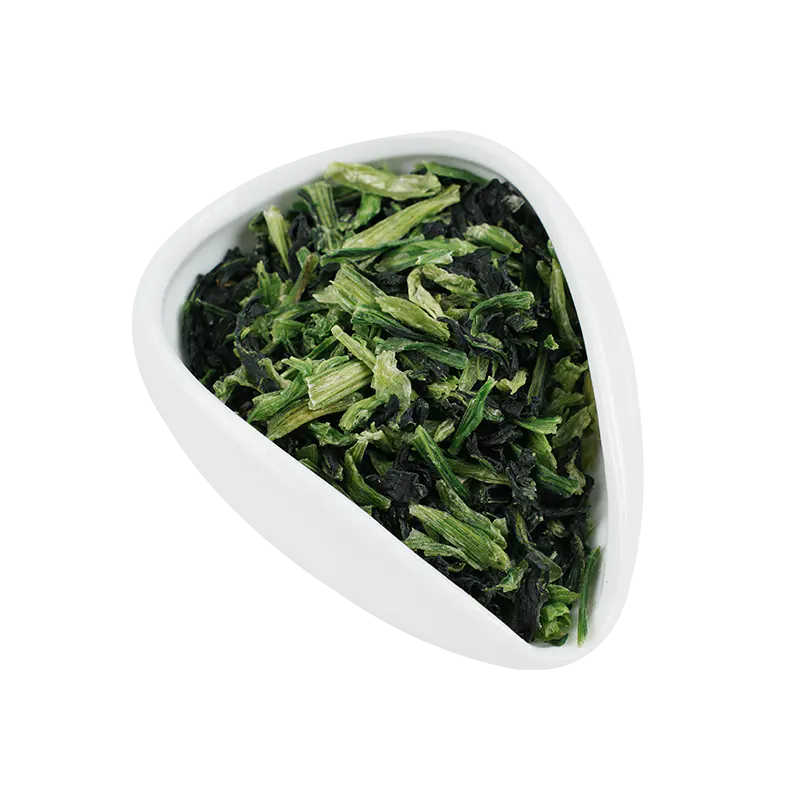
- Kale and leafy greens (spinach, chard): Very low moisture content and thin leaf structure dehydrate rapidly — typically in 4–6 hours at 52–57°C. Kale chips are a direct consumer product; powdered dehydrated kale is used in smoothie blends and supplements. High fiber and mineral concentration post-drying.
- Corn: Blanched sweet corn dehydrates into crunchy, shelf-stable kernels that reconstitute reliably. Dehydrate at 57°C for 6–10 hours. One of the sweetest and most palatable dehydrated vegetables — widely used in backpacking and instant meal applications.
- Bell peppers (sweet peppers): Thin-walled with moderate moisture (~92%). Slice 5–8 mm strips; dehydrate at 57°C for 5–8 hours. Retain excellent color and flavor. Among the highest Vitamin C sources even after drying — red bell peppers retain 100–200 mg Vitamin C per 100 g dried weight.
- Onions and garlic: Very low moisture relative to most vegetables, pungent flavor concentrates dramatically on drying. Slice onions 3–5 mm; dehydrate at 57°C for 6–12 hours. Dehydrated onion and garlic are fundamental commercial seasoning ingredients globally. Note: strong odor during drying requires good ventilation.
- Peas: Blanch before dehydrating to set color and halt enzymatic activity. Dehydrate at 57°C for 8–10 hours. Excellent rehydration and retained sweetness. High protein content (~25 g/100 g dry weight) makes them nutritionally valuable in dried meal kits.
- Tomatoes: Slice 6–8 mm; dehydrate at 57–63°C for 8–12 hours. Lycopene content is not only preserved but becomes more bioavailable after heat processing — a genuine nutritional advantage of dehydrated tomatoes over fresh. Roma and paste tomatoes work best due to lower water content.
- Mushrooms: Naturally low moisture, intense umami flavor that concentrates further on drying. Slice 4–6 mm; dehydrate at 46–52°C for 4–8 hours. Rehydrate quickly in warm water. An outstanding candidate for both home dehydrating and commercial production.
- Broccoli: Blanch briefly (2–3 minutes) before dehydrating to halt peroxidase activity that causes off-flavors. Dehydrate florets at 57°C for 6–8 hours. Retains glucosinolates (cancer-fighting compounds) reasonably well at temperatures below 60°C.
- Beets: Cook briefly or dehydrate raw depending on desired texture. Slice 4–5 mm; dehydrate at 57°C for 6–10 hours. High in betaine and dietary nitrates — both relatively heat-stable. Produce intensely colored chips or powder.
Vegetables That Dehydrate Poorly or Require Special Handling
- Cucumbers and zucchini: Very high water content (~95%) produces a limp, often unpalatable result unless sliced paper-thin for chips. Rehydration performance is poor — they do not reconstitute to a useful texture.
- Lettuce: Near-zero structural integrity after drying; turns to flavorless dust. Not suitable for dehydration as a food product.
- Potatoes: Must be fully cooked before dehydrating, or they will turn black (enzymatic browning from polyphenol oxidase). Cooked mashed or sliced potato dehydrates well into flakes or chips, but raw potato dehydration requires a sulfite pre-treatment or blanching step.
Dehydration Temperatures and Their Impact on Nutrition
Temperature is the single most controllable variable affecting nutrient retention in home and small-scale commercial dehydration. The following temperature ranges represent established best-practice guidelines:
| Vegetable Category | Recommended Temp (°C) | Approx. Drying Time | Vitamin C Retention | Beta-Carotene Retention | Notes |
|---|---|---|---|---|---|
| Leafy greens (kale, spinach) | 52–57°C | 4–6 hours | 50–65% | 80–90% | Low temp preserves chlorophyll color |
| Root vegetables (carrot, beet) | 57–60°C | 6–10 hours | 35–55% | 75–90% | Blanching before drying improves texture |
| Peppers and tomatoes | 57–63°C | 6–12 hours | 40–60% | 85–95% | Lycopene bioavailability increases with heat |
| Alliums (onion, garlic) | 57°C | 6–12 hours | 30–50% | N/A | Sulfur compounds (flavor) well-preserved |
| Corn and peas (blanched) | 57°C | 6–10 hours | 25–45% | 60–80% | Blanching mandatory for food safety |
| Mushrooms | 46–52°C | 4–8 hours | 30–50% | N/A | Lower temp preserves ergosterol (Vit D precursor) |
The key takeaway: keeping dehydration temperature at or below 60°C maximizes nutrient retention without significantly extending drying time for most vegetable categories. Higher temperatures (70°C+) shorten drying time but meaningfully reduce Vitamin C and some B vitamin content.
Shelf Life of Dehydrated Vegetables: What the Evidence Shows
Properly dehydrated and stored vegetables have a shelf life of 1–4 years at ambient temperature, with freeze-dried variants extending this to 5–25 years under optimal conditions. The actual shelf life depends on four interacting variables: moisture content, packaging atmosphere, storage temperature, and light exposure.
The Role of Moisture Content
Moisture is the primary driver of microbial spoilage and enzymatic degradation in dehydrated vegetables. The critical threshold is water activity (Aw) ≤ 0.60 — below this level, mold, yeast, and most bacteria cannot grow. This corresponds to approximately 5–10% moisture content by weight for most vegetables. Home-dehydrated products that feel leathery rather than brittle likely still contain 15–20% moisture — inadequate for safe long-term storage.
A practical test: dehydrated vegetables at safe moisture levels should snap cleanly when bent (for slices) or crumble when crushed. Pliable, leathery pieces indicate residual moisture that will support spoilage within weeks to months.
Packaging and Atmosphere
Oxygen drives oxidative degradation of colors, fats, and vitamins in stored dehydrated vegetables. Three packaging strategies significantly extend shelf life:
- Vacuum sealing: removes approximately 99% of oxygen from packaging — extends shelf life by 2–4× compared to unsealed storage; practical for home users with a vacuum sealer
- Oxygen absorbers (iron-based, 300–500 cc packets): reduce residual oxygen in sealed containers to below 0.1%; recommended for long-term storage in Mylar bags or food-grade buckets; extend shelf life to 3–5 years for hot-air dehydrated vegetables
- Nitrogen flushing: replaces oxygen with inert nitrogen before sealing; used commercially and achieves equivalent protection to oxygen absorbers
Temperature and Light Storage Conditions
Storage temperature has an exponential effect on shelf life. Research using the Arrhenius model for food degradation indicates that every 10°C reduction in storage temperature approximately doubles the shelf life of dehydrated foods. Practical implications:
- Stored at 25°C (room temperature): 1–2 years for standard sealed packaging
- Stored at 15°C (cool pantry or cellar): 2–4 years
- Stored at 5°C (refrigerator): 4–8+ years
UV light accelerates vitamin degradation and color fading in dehydrated vegetables — particularly beta-carotene-rich orange and yellow vegetables. Opaque containers (Mylar bags, dark glass jars, or labeled metal tins) are strongly preferred over transparent containers for anything stored longer than a few months.
Shelf Life by Vegetable Type
| Vegetable | Sealed Bag, 25°C | Vacuum + O₂ Absorber, 15°C | Freeze-Dried, Sealed | Key Degradation Risk |
|---|---|---|---|---|
| Carrots | 1–2 years | 4–5 years | 15–25 years | Color oxidation |
| Leafy greens | 1–2 years | 3–4 years | 8–15 years | Chlorophyll yellowing |
| Onions / Garlic | 1–3 years | 4–6 years | 10–20 years | Flavor volatilization |
| Corn / Peas | 1–2 years | 3–5 years | 10–15 years | Starch retrogradation, off-flavor |
| Tomatoes | 6–12 months | 2–4 years | 8–12 years | Acidity + residual sugars promote browning |
| Mushrooms | 1–2 years | 3–5 years | 10–20 years | Moisture reabsorption |
Pre-Treatment Before Dehydrating: When and Why It Matters
Certain vegetables benefit significantly from pre-treatment before dehydration — both for food safety and quality outcomes. Skipping these steps is one of the most common mistakes in home dehydrating.
Blanching
Blanching (brief immersion in boiling water for 2–5 minutes, followed by an ice bath) inactivates enzymes — particularly peroxidase and polyphenol oxidase — that cause off-flavors, color browning, and nutrient degradation during storage. The USDA recommends blanching for most vegetables before dehydrating, with the notable exception of onions, garlic, mushrooms, and peppers. Blanching reduces microbial load on the surface and can improve rehydration texture by partially softening cell walls.
Ascorbic Acid Dip (Vitamin C Solution)
Soaking cut vegetables in a 1% ascorbic acid solution (approximately 1 teaspoon ascorbic acid powder per liter of water) for 3–5 minutes before dehydrating reduces oxidative browning and helps retain color in light-colored vegetables like potato, parsnip, and cauliflower. This treatment is particularly effective for maintaining the visual appeal of products intended for consumer retail.
Slicing Thickness and Surface Area
Uniform slicing is not optional — it is a quality requirement. Pieces of uneven thickness will have outer edges over-dried and brittle while the center remains moist, creating microbial risk and inconsistent rehydration. Using a mandoline slicer to achieve consistent 3–6 mm slices is strongly recommended for root vegetables, while florets (broccoli, cauliflower) should be separated to approximately equal size before drying.
Practical Uses for Dehydrated Vegetables in Everyday Cooking
Beyond emergency food storage and backpacking, dehydrated vegetables are genuinely useful in everyday home cooking — and often overlooked. The following applications demonstrate their practical versatility:
- Soups and stews: Add dried vegetables directly to the pot without rehydrating — they absorb cooking liquid and reconstitute during simmering. A handful of dried carrots, onions, and peas added directly to a slow cooker or stockpot saves preparation time with no perceptible quality difference from fresh in a cooked dish.
- Smoothie powder boosters: Dehydrated kale, spinach, or beet can be ground into powder in a blender and added to smoothies at 1–2 teaspoons per serving — delivering concentrated nutrients without significantly altering flavor in fruit-based blends.
- Seasoning and spice blends: Dehydrated onion, garlic, tomato, and mushroom powder form the flavor backbone of most commercial dry seasoning mixes, rubs, and gravy packets. Home cooks can replicate these by powdering dehydrated vegetables in a spice grinder.
- Snacking: Kale chips, beet chips, and carrot chips produced by home dehydrating at 57°C for 6–8 hours are a genuinely low-calorie, high-fiber snack alternative to commercial processed chips. A 30 g serving of dehydrated kale chips provides approximately 90 kcal, 9 g fiber, and 3.6 g iron — superior to virtually any commercial snack product gram-for-gram.
- Pasta, bread, and baked goods: Vegetable powders (pumpkin, beetroot, spinach) can be incorporated at 5–10% substitution for wheat flour to add color, nutrition, and moisture to pasta dough, bread loaves, and muffins without significant flavor impact.
Who Benefits Most from Including Dehydrated Vegetables in Their Diet
While dehydrated vegetables suit anyone interested in convenience, food security, or reducing food waste, certain groups derive particularly significant benefits:
- People in food deserts or with limited fresh produce access: Dehydrated vegetables provide reliable nutrition year-round regardless of seasonal availability or proximity to grocery stores. The mineral and fiber content is equivalent to fresh regardless of access barriers.
- Hikers, backpackers, and outdoor enthusiasts: Lightweight (dehydrated vegetables weigh 80–90% less than fresh), compact, and shelf-stable without refrigeration — ideal for multi-day backcountry trips where fresh produce is impractical.
- People building emergency food supplies: With 1–5+ year shelf life, dehydrated vegetables are among the most practical additions to emergency food stores, providing dietary variety and nutrition beyond carbohydrate staples like rice and pasta.
- Those managing food waste: Home dehydrating surplus garden produce or produce approaching its use-by date captures nutritional and economic value that would otherwise be discarded. A household dehydrator running at approximately 300–1000W can process 1–2 kg of vegetables into shelf-stable product in 6–12 hours.
- Picky eaters, particularly children: Vegetable powders added to pasta, sauces, and baked goods deliver vegetable nutrition without visible pieces or strong flavors — a practical strategy for parents navigating selective eating.
 Previous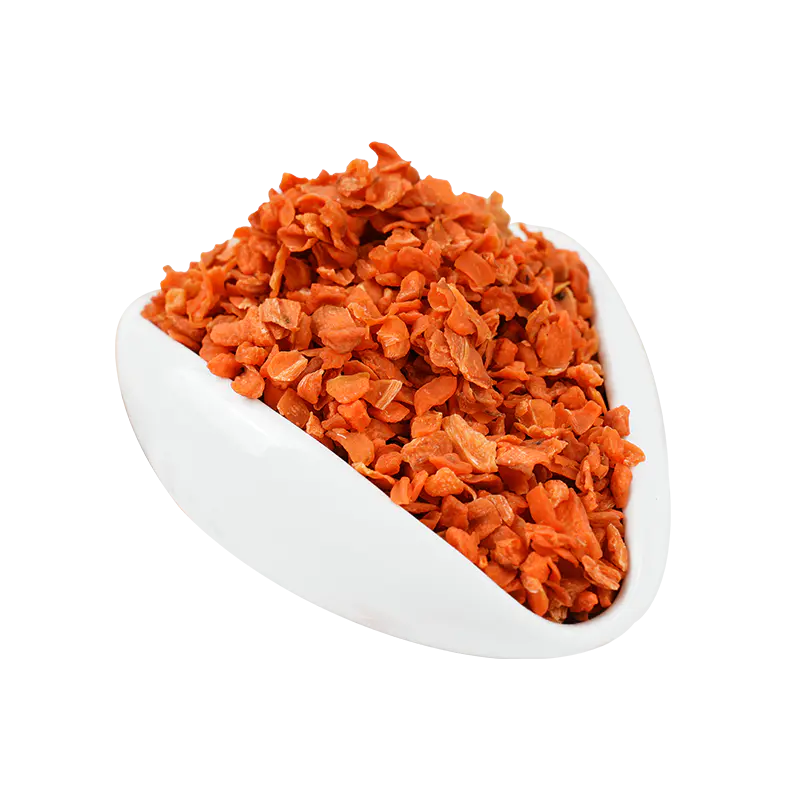

 Xinqian Village (Dehydrated Fruit and Vegetable Industrial Park), Duotian Street, Xinghua City, Taizhou City, Jiangsu Province, China
 +86-13852647168
