

 English
 中文简体
中文简体Yes, dehydrated and dried vegetables are good for you — they retain virtually all minerals, dietary fiber, and most vitamins found in fresh produce, while concentrating those nutrients into a lightweight, shelf-stable form. The one meaningful trade-off is a partial reduction in heat-sensitive vitamins, primarily Vitamin C and certain B vitamins, during the drying process. For people asking whether dehydrated vegetables lose nutrients, the honest answer is: some, but not most — and the nutrients that survive are highly significant. This article covers exactly which nutrients are preserved and which are reduced, lists the full range of dehydrated foods available, identifies the best vegetables for dehydrating, and explains when dried vegetables are the practical equal (or better) of fresh.
Content
- 1 Do Dehydrated Vegetables Lose Nutrients?
- 2 Complete List of Dehydrated Foods
- 3 Are Dehydrated Vegetables Good for You? The Practical Health Case
- 4 Best Veggies for Dehydrating: Practical Rankings
- 5 Nutritional Comparison: Best Dehydrated Vegetables Side by Side
- 6 How to Get the Most Nutrition from Dehydrated Vegetables
- 7 Calorie Density: Understanding Portions of Dehydrated Vegetables
Do Dehydrated Vegetables Lose Nutrients?
This is the most searched question about dried vegetables — and the answer requires separating different nutrient categories, because the impact of dehydration varies dramatically depending on the type of nutrient involved.
Nutrients That Are Largely Preserved
Dehydration has minimal to no negative effect on the following nutrient groups:
- Minerals (iron, calcium, potassium, magnesium, zinc, phosphorus): Minerals are elements — they cannot be destroyed by heat. Dehydration preserves close to 100% of mineral content. In fact, because water is removed, dehydrated vegetables are far more mineral-dense by weight than fresh equivalents. 100 g of dehydrated spinach contains approximately 28 mg of iron compared to just 2.7 mg in 100 g of fresh spinach.
- Dietary fiber: Fully preserved through dehydration. Cell wall polysaccharides — cellulose, hemicellulose, and pectin — are not affected by moderate heat or moisture removal. Dehydrated vegetables are an excellent concentrated source of both soluble and insoluble fiber.
- Beta-carotene and carotenoids: These fat-soluble pigments are thermally stable and show 75–95% retention in most orange, yellow, and red vegetables after standard hot-air drying at 55–65°C. Notably, lycopene in tomatoes becomes more bioavailable after heat processing — dehydrated tomatoes are actually superior to raw tomatoes in this regard.
- Protein: Largely preserved. Moderate heat causes some protein denaturation but does not reduce the amino acid content meaningfully. Dehydrated peas, for example, contain approximately 24–27 g of protein per 100 g dry weight.
- Complex carbohydrates and resistant starch: Preserved and in some cases (cooked-then-dried potato, corn) the cooling and drying process increases resistant starch content, which benefits gut microbiota.
Nutrients That Are Partially Reduced
Heat-sensitive, water-soluble vitamins experience the most loss during dehydration. Typical losses at standard drying temperatures (55–70°C) are:
- Vitamin C (ascorbic acid): 30–70% loss — the most affected nutrient, due to both heat sensitivity and oxidation during air drying. Lower drying temperatures (≤ 55°C) or freeze-drying reduces this loss significantly.
- Thiamine (B1): 20–50% loss at typical drying temperatures
- Folate (B9): 20–40% loss, with higher losses at prolonged high-temperature drying
- Riboflavin (B2): 10–25% loss — relatively stable compared to other B vitamins
An important context: the same water-soluble vitamins are also significantly lost during boiling fresh vegetables (Vitamin C loss of 50–80% during boiling is common), meaning that dehydrated vegetables added directly to soups or stews without boiling can actually deliver more Vitamin C than the equivalent fresh vegetable that was boiled. The comparison to fresh only holds up if you are eating raw fresh vegetables.
How Dehydration Compares to Other Preservation Methods
| Nutrient | Fresh (raw) | Frozen (blanched) | Canned | Dehydrated (AD) | Freeze-Dried |
|---|---|---|---|---|---|
| Vitamin C | 100% | 40–70% | 10–40% | 30–70% | 80–95% |
| Beta-Carotene | 100% | 80–95% | 70–85% | 75–92% | 90–98% |
| Iron | 100% | 95–100% | 85–95% | 95–100% | 97–100% |
| Dietary Fiber | 100% | 95–100% | 90–100% | 98–100% | 99–100% |
| Folate (B9) | 100% | 50–70% | 30–50% | 60–80% | 85–95% |
| Potassium | 100% | 90–100% | 60–80%* | 95–100% | 97–100% |
*Canned vegetables lose potassium into liquid brine, which is typically discarded. Dehydration causes no leaching loss. The table demonstrates that dehydration compares favorably to canning across all nutrients and is competitive with freezing — particularly for minerals, fiber, and carotenoids.
Complete List of Dehydrated Foods
Dehydration is one of the oldest and most universal food preservation methods. The range of foods that can be successfully dehydrated spans nearly every food category:
Dehydrated Vegetables
- Carrots (diced, sliced, or shredded)
- Onions (minced, diced, sliced, or powdered)
- Garlic (sliced or powdered)
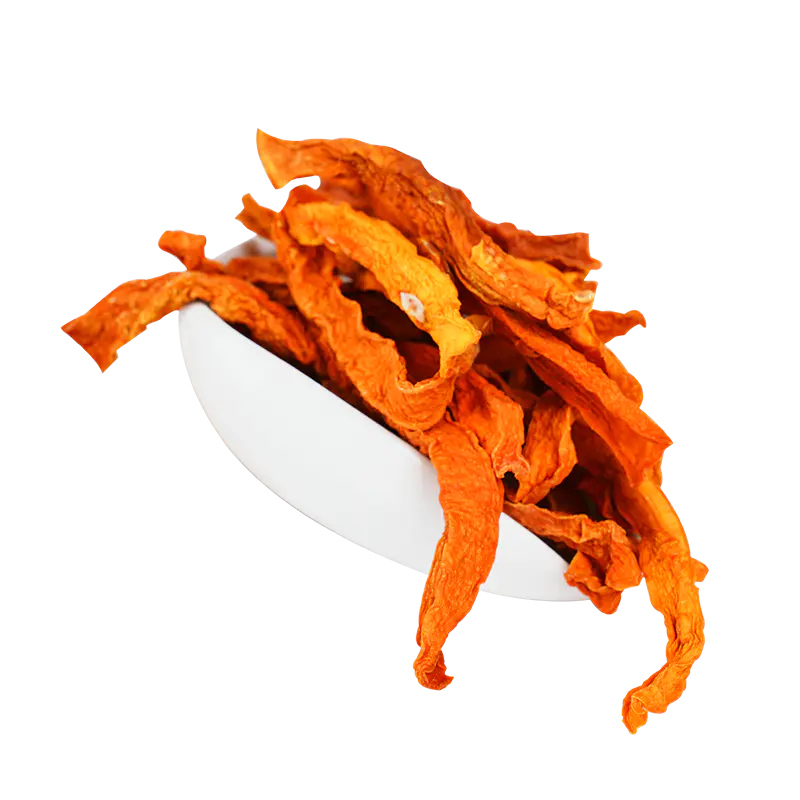
- Bell peppers / sweet peppers (diced or strips)
- Tomatoes (diced, sliced, or sun-dried style)
- Spinach (whole leaf or powdered)
- Kale (chips or powdered)
- Broccoli (florets or powdered)
- Peas (whole or split)
- Corn (kernels)
- Potatoes (slices, dices, flakes, or granules)
- Mushrooms (sliced, whole, or powdered)
- Celery (sliced or flakes)
- Cabbage (shredded)
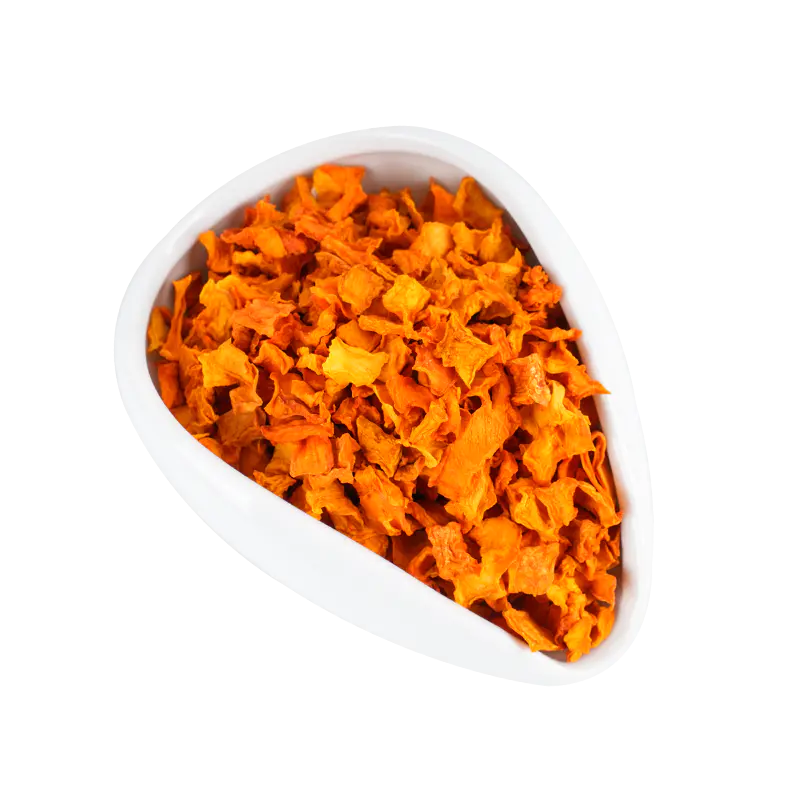
- Pumpkin (diced, sliced, or powdered)
- Beets / beetroot (sliced or powdered)
- Leeks and spring onions (sliced)
- Chives (whole or chopped)
- Sweet potato (sliced or diced)
- Zucchini / courgette (sliced thin)
- Cauliflower (florets)
- Green beans (whole or cut)
- Asparagus (spears or cut)
- Jalapeños and chili peppers (sliced or flakes)
Dehydrated Fruits
- Apples (slices or rings)
- Bananas (chips or slices)
- Strawberries (sliced or whole)
- Blueberries (whole)
- Mangoes (strips or diced)
- Pineapple (rings or tidbits)
- Grapes → raisins / sultanas
- Apricots (halved)
- Figs (whole or halved)
- Dates (whole or pitted)
- Cranberries (sweetened or unsweetened)
- Cherries (pitted)
- Prunes (dried plums)
- Kiwi (sliced)
- Peaches and nectarines (sliced)
Dehydrated Proteins
- Beef jerky and biltong
- Chicken jerky and dried chicken strips
- Salmon jerky and dried fish
- Shrimp / prawns (dried whole or powdered)
- Egg powder (whole egg, white, or yolk)
- Tofu (dried or freeze-dried cubes)
- Cooked beans (black, pinto, kidney — refried or whole)
- Cooked lentils (red or green)
Dehydrated Dairy and Grains
- Milk powder (whole, skim, or buttermilk)
- Cheese powder (cheddar, parmesan)
- Butter powder / ghee powder
- Yogurt powder
- Cooked rice (instant rice)
- Cooked pasta (instant noodles and pasta)
- Oats (rolled and instant)
- Bread crumbs and crackers
Herbs, Spices, and Seasonings
- Dried basil, oregano, thyme, rosemary, parsley
- Dried dill, tarragon, marjoram, sage
- Ginger powder, turmeric powder, paprika
- Onion powder, garlic powder, celery salt
- Chili flakes, cayenne pepper, black pepper
Are Dehydrated Vegetables Good for You? The Practical Health Case
Beyond nutrient retention data, the question of whether dried vegetables are good for you has a practical dimension: do they actually make it easier to consume vegetables regularly? For most people, the answer is yes — for three specific reasons.
Accessibility and Consistency Year-Round
Fresh vegetable availability, quality, and price fluctuate significantly by season. A head of fresh broccoli that costs $1.50 in peak season may cost $3.50 off-season, with reduced freshness. Dehydrated vegetables provide consistent nutritional delivery year-round at stable cost — a genuine advantage for households on fixed budgets or in areas with limited fresh produce access. For the significant portion of the global population that consumes dehydrated vegetables daily through instant soups, noodles, and seasoning mixes, these foods represent an important nutritional contribution.
Concentrated Nutrition in Small Volume
Because dehydrated vegetables have had 80–95% of their water removed, they deliver far more nutritional payload per gram than fresh equivalents. A single tablespoon (approximately 7 g) of dehydrated spinach powder provides roughly the same iron content as a 70 g serving of fresh spinach leaves. This concentration effect is especially useful for people who struggle to consume adequate vegetable volumes — children, elderly individuals with reduced appetite, or athletes seeking compact calorie and nutrient sources.
Fiber Delivery Without Calorie Excess
Dietary fiber is one of the most consistently under-consumed nutrients in Western diets, with average intake approximately 15 g/day versus the recommended 25–38 g/day. Dehydrated vegetables are exceptional fiber sources — dried peas contain approximately 25 g fiber per 100 g, dried kale approximately 29 g, and dried lentils approximately 30 g. Adding as little as 20 g of mixed dehydrated vegetables to soups or stews can contribute 4–8 g of fiber — a meaningful portion of the daily target — with minimal calorie impact.
When Dried Vegetables Are Not the Best Choice
Dried vegetables are not ideal in every situation. Three cases where fresh or frozen may be preferable:
- When Vitamin C is the primary nutritional goal: Fresh raw peppers (128 mg/100 g), raw broccoli (89 mg/100 g), or fresh citrus will deliver significantly more Vitamin C than their dehydrated counterparts.
- For texture-sensitive applications: Rehydrated dehydrated vegetables rarely replicate the crisp texture of fresh, which matters in raw salads, crudités, and dishes where crunch is central to the eating experience.
- When sodium-added commercial products are chosen: Some commercial dehydrated vegetable mixes contain added salt for flavor or preservation. People managing hypertension or sodium intake should check labels — the vegetable itself is healthy, but sodium additions may not suit all dietary requirements.
Best Veggies for Dehydrating: Practical Rankings
The best vegetables for dehydrating share three characteristics: they hold structural integrity after drying, rehydrate usefully in cooking, and retain strong nutritional or flavor profiles through the process. The following rankings consider all three factors together.
Tier 1: Excellent Results — Highly Recommended
- Carrots: One of the most forgiving vegetables for dehydrating. Natural sugars concentrate on drying, creating pleasant sweetness. Retain beta-carotene exceptionally well (80–92%). Dice to 5–10 mm or slice 3–5 mm; dry at 57–60°C for 6–10 hours. Rehydrate in soups within 15 minutes. Excellent for trail mix, instant meals, and long-term storage.
- Kale: Thin leaves dehydrate in just 4–6 hours at 52–57°C. Becomes crisp and snackable directly, or can be powdered in a blender for smoothie additions. High in fiber (~29 g/100 g dried), iron, calcium, and Vitamin K. One of the most nutritionally rewarding dehydrating choices available.
- Onions: Dehydrate quickly (6–10 hours at 57°C), concentrate flavor dramatically, and rehydrate seamlessly in cooked dishes. Dried onion is a foundational seasoning ingredient globally. The characteristic pungency from sulfur compounds is well-preserved through drying.
- Corn (sweet, blanched): Pre-blanching sets color and halts enzymes. Kernels dehydrate to crunchy, sweet pieces in 6–10 hours at 57°C. High palatability — one of the most pleasant dried vegetables to eat directly as a snack. Rehydrates fully in hot dishes.
- Bell peppers: High Vitamin C retention even after drying (100–200 mg/100 g dry weight for red peppers). Vivid color preserved well at lower drying temperatures. Slice 5–8 mm strips and dry at 57°C for 5–8 hours. Excellent in soups, rice dishes, and trail mixes.
- Tomatoes: A unique case where heat processing improves nutritional value — lycopene bioavailability increases after heating. Slice Roma or paste tomatoes 6–8 mm; dry at 57–63°C for 8–12 hours. Intensely flavored, widely versatile, and store exceptionally well.
- Mushrooms: Naturally low moisture makes drying fast (4–8 hours at 46–52°C). Umami flavor concentrates significantly. One of the best candidates for home powdering — dried mushroom powder adds deep savory flavor to soups, gravies, and sauces with no prep. Retain ergosterol (Vitamin D precursor) well at lower temperatures.
- Peas (blanched): Rich in plant protein (~25 g/100 g dry), fiber, and B vitamins. Blanch 2–3 minutes before drying at 57°C for 8–10 hours. Sweet, mild flavor. Excellent for soups, instant meal kits, and rice dishes.
Tier 2: Good Results with Correct Technique
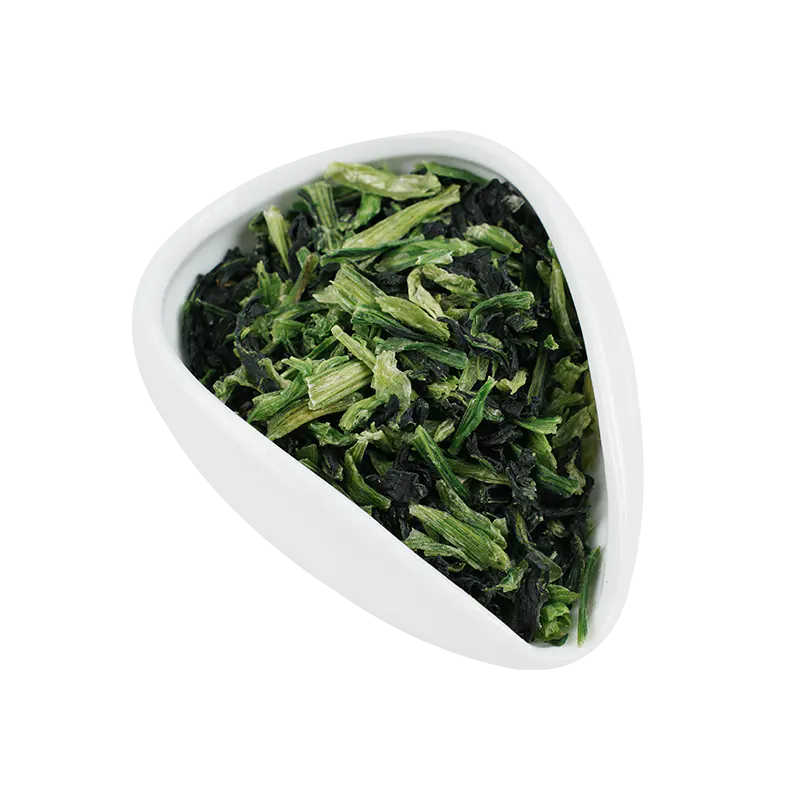
- Spinach: Excellent nutrition (high iron, calcium, beta-carotene) but thin leaves can become very brittle or dark if temperature is too high. Keep below 52°C and check at 4 hours. Best used powdered rather than as whole dried pieces.
- Broccoli: Must be blanched (2–3 minutes) before dehydrating to prevent off-flavors. Florets dry in 6–8 hours at 57°C. Retains glucosinolates and fiber well. Rehydration texture is acceptable but not equivalent to fresh — best used in cooked applications.
- Beets/beetroot: Rich in nitrates and betaine; both are reasonably heat-stable. Slice to 4–5 mm and dry at 57°C for 6–10 hours. Creates intensely colored chips or powder. The high sugar content means some caramelization at higher temperatures — keep at or below 60°C.
- Sweet potato: Must be blanched or cooked before drying to prevent enzymatic browning. High beta-carotene content (similar to carrot) makes it nutritionally rewarding. Slice 5–6 mm; dry at 57°C for 7–10 hours. Produces sweet, chewy pieces excellent for snacking.
- Garlic: Even stronger flavor concentration than onion after drying. Slice thin (2–3 mm) and dry at 57°C for 6–12 hours. Primarily used powdered. Must be stored in airtight containers as it absorbs moisture rapidly and flavor dissipates in open storage.
Tier 3: Possible But With Limitations
- Potatoes: Must be fully cooked before dehydrating, or enzymatic browning will render them unpalatable. Cooked sliced or mashed potato dehydrates well into chips or flakes, but raw potato dehydration without pre-treatment produces poor-quality results.
- Zucchini / cucumber: Very high water content (~95%) produces thin, crispy chips only when sliced paper-thin (2–3 mm). Rehydration performance is poor — not suitable for soup applications. Best reserved for chip-style snacks consumed dry.
- Cabbage: Dehydrates adequately when shredded fine (2–4 mm). Primarily used as a soup and noodle ingredient rather than a snack. Color fades more than most other vegetables — pre-blanching helps retain green color in Savoy and green varieties.
Nutritional Comparison: Best Dehydrated Vegetables Side by Side
The table below compares the nutritional density of the top-performing dehydrated vegetables on a dry-weight basis, helping you identify which choices best match your specific nutritional priorities.
| Vegetable | Calories (kcal) | Fiber (g) | Protein (g) | Iron (mg) | Beta-Carotene (µg) | Top Nutrient Strength |
|---|---|---|---|---|---|---|
| Kale | ~310 | 29 | 26 | 12.0 | 65,000 | Fiber, iron, Vitamin K |
| Spinach | ~290 | 22 | 29 | 28.0 | 45,000 | Iron, calcium, folate |
| Carrot | ~341 | 15 | 8 | 2.5 | 80,000+ | Highest beta-carotene |
| Peas | ~340 | 25 | 25 | 4.5 | 2,500 | Protein, fiber, B vitamins |
| Bell Pepper (red) | ~280 | 19 | 12 | 3.5 | 12,000 | Vitamin C (100–200 mg) |
| Mushroom | ~280 | 18 | 35 | 5.5 | 0 | Protein, B vitamins, umami |
| Sweet Potato | ~354 | 13 | 6 | 2.0 | 55,000 | Beta-carotene, potassium |
| Tomato | ~258 | 12 | 14 | 9.0 | 3,500 | Lycopene (bioavailable), iron |
How to Get the Most Nutrition from Dehydrated Vegetables
Dehydrated vegetables deliver their best nutritional results when a few practical principles are followed consistently:
- Add directly to cooking liquid rather than rehydrating in plain water separately. When dehydrated vegetables are rehydrated in a separate bowl and that water is discarded, water-soluble minerals and vitamins leach into the discard water. Adding dried vegetables directly to soups, stews, and sauces captures 100% of those nutrients in the final dish.
- Pair with a fat source for fat-soluble nutrients. Beta-carotene, Vitamin K, and lycopene are fat-soluble — they require dietary fat for absorption. Adding dried carrots or tomatoes to a dish with olive oil, butter, or another fat source measurably improves carotenoid bioavailability compared to eating them in a fat-free preparation.
- Store opened packages promptly in airtight containers. Exposure to air after opening accelerates oxidation of Vitamin C and color pigments. Transfer any remaining dried vegetables to a sealed glass jar or resealable bag with oxygen removed, and consume within 2–4 weeks of opening for optimal nutrient quality.
- Choose lower-temperature or freeze-dried options when Vitamin C matters. If you are specifically targeting Vitamin C intake from dried vegetables, freeze-dried bell peppers, broccoli, or kale retain 80–95% of original Vitamin C — a meaningful upgrade over hot-air dried equivalents at the same cost per serving in many retail products.
- Rotate stock and respect shelf life windows. Even well-sealed dehydrated vegetables lose nutritional potency over extended storage. Beta-carotene in dried carrots stored unsealed at room temperature for 2+ years may degrade by 30–50%. Using stock within 12–24 months and rotating regularly ensures you are consuming the product closer to its nutritional peak.
Calorie Density: Understanding Portions of Dehydrated Vegetables
One practical consideration when consuming dehydrated vegetables is their calorie density. Because water has been removed, 100 g of dehydrated spinach represents the equivalent of nearly 1 kg of fresh spinach. Eating 100 g of dried vegetables in one sitting is unusual — typical serving sizes are 10–30 g — meaning the calorie intake from a realistic serving remains low despite the concentrated dry-weight figures.
A realistic serving example: 15 g of dehydrated mixed vegetables (carrots, peas, corn) added to a cup of instant soup contributes approximately 45–55 kcal, 3–4 g fiber, and 1.5–2.5 g protein — a nutritionally worthwhile contribution at negligible caloric cost. For weight management purposes, dehydrated vegetables are a high-value, low-calorie strategy for adding nutrition and satiety to meals.
The exception to note: dehydrated corn, peas, and sweet potato are meaningfully higher in natural sugars and starch than leafy green equivalents. While still nutritious, these should be factored into carbohydrate counts for people following low-carbohydrate dietary approaches.
 Previous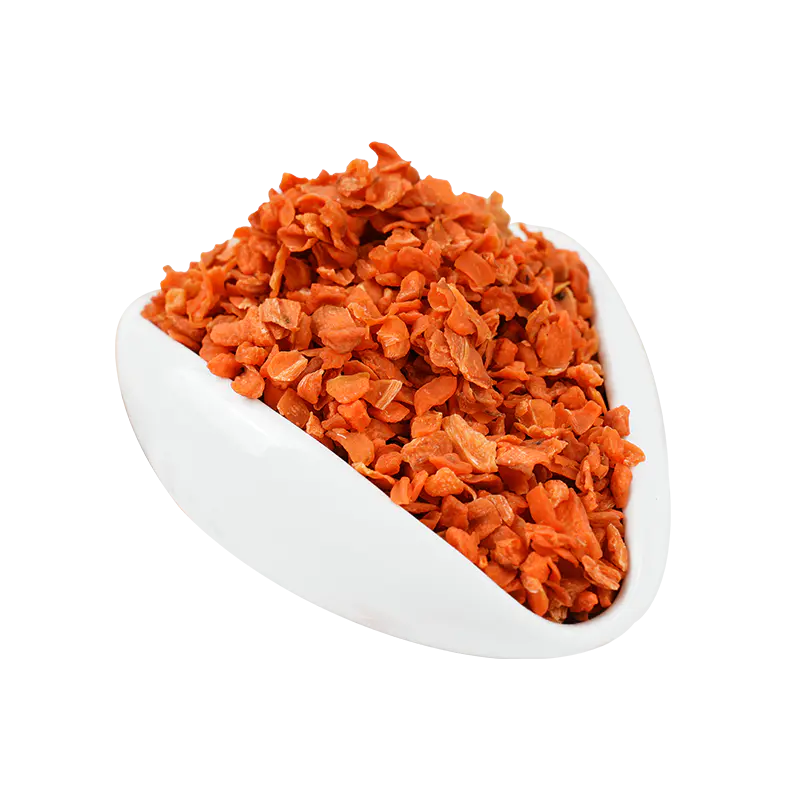

 Xinqian Village (Dehydrated Fruit and Vegetable Industrial Park), Duotian Street, Xinghua City, Taizhou City, Jiangsu Province, China
 +86-13852647168
