

 English
 中文简体
中文简体The question of fresh mushrooms versus dried mushrooms is more than a kitchen preference. For food manufacturers, ingredient suppliers, and culinary teams, the decision affects flavor profiles, storage requirements, labor costs, and the final texture of finished products. Here is the conclusion upfront: neither form is universally superior. Fresh mushrooms deliver delicate texture and mild aroma, while dried mushrooms offer concentrated umami, extended shelf life, and dramatically lower logistics costs. The right choice depends entirely on your application, volume, and quality expectations.
Content
- 1 The Fundamental Difference Is Water
- 2 Nutritional Comparison: What Actually Changes
- 3 Cost and Procurement Considerations for Buyers
- 4 How to Choose Based on the Application
- 5 Rehydration Basics That Affect Quality
- 6 Quality Indicators in a Dried Mushroom Supplier
- 7 Practical Verdict: What Should You Buy?
The Fundamental Difference Is Water
Fresh mushrooms contain roughly 85 to 92 percent water by weight. Drying removes most of that moisture, typically bringing the water content down to 8 to 12 percent. This single change explains nearly every practical difference between the two forms.
When you buy dried mushrooms, you are essentially buying concentrated mushroom solids. A kilogram of dried shiitake requires roughly 8 to 10 kilograms of fresh mushrooms to produce. That concentration affects everything from nutrient density per gram to the intensity of flavor in a finished dish. It also means dried mushrooms deliver more mushroom flavor per unit of weight, which is why a small handful can transform an entire pot of broth.
For a processing facility, the practical implication is simple: dried mushrooms reduce inbound freight weight, take up less warehouse space, and do not require cold chain logistics. If you source ingredients across long distances or hold inventory for seasonal production, these factors alone can justify switching to dried product.
Fresh Mushrooms: Texture That Cannot Be Replicated
Fresh mushrooms have a firm, elastic bite that dried mushrooms never fully recover after rehydration. When sautéed, roasted, or grilled, fresh mushrooms brown on the surface, develop a crisp edge, and release moisture gradually. This behavior is essential in dishes where mushrooms play a structural role, such as stuffed mushroom caps, grilled mushroom steaks, or lightly sautéed side dishes.
Fresh mushrooms also have a subtler, more delicate aroma. The flavor is clean and earthy but not overpowering. In preparations where mushrooms are the star of the plate and cooking time is short, fresh product is the better choice. A quick stir-fry, a fresh mushroom risotto finished with butter, or a raw mushroom salad all depend on the texture and mildness that only fresh mushrooms provide.
However, fresh mushrooms spoil quickly. Under proper refrigeration they last roughly 7 to 10 days from harvest. For a food manufacturer, this creates tight procurement windows and increases the risk of waste. Fresh mushrooms also require gentle handling during transport to prevent bruising and microbial growth.
Dried Mushrooms: Concentrated Flavor and Practical Longevity
Drying fundamentally changes the flavor profile. As moisture leaves the mushroom tissue, the remaining solids become rich in glutamates, guanylates, and other compounds responsible for umami. The result is a deeper, more savory, and more concentrated mushroom taste. Many chefs and food manufacturers prefer dried mushrooms for broths, sauces, braises, and any slow-cooked application where a robust mushroom backbone is desired.
Rehydration of dried mushrooms produces two useful ingredients: the softened mushroom pieces and the soaking liquid. The liquid, often strained and added directly to soups or sauces, carries a significant portion of the water-soluble flavor compounds. This dual use makes dried mushrooms highly efficient in commercial kitchens. One batch of soaked shiitake can yield both a texture component and a flavor base.
Storage life is a major operational advantage. Dried mushrooms stored in airtight, moisture-proof packaging can remain stable for 12 to 24 months without refrigeration. For manufacturers with seasonal production schedules or long supply chains, this stability reduces risk and simplifies inventory planning.
Nutritional Comparison: What Actually Changes
Nutrition is a frequent point of concern when comparing fresh and dried mushrooms. The honest answer is that drying preserves most nutritional content, but the concentration effect changes how you interpret the numbers.
| Component | Fresh Mushrooms (per 100g) | Dried Mushrooms (per 100g) |
|---|---|---|
| Water content | 85–92 g | 8–12 g |
| Protein | 1.5–2.5 g | 10–20 g |
| Dietary fiber | 1.0–2.5 g | 11–25 g |
| B vitamins (B2, B3) | Present in small amounts | Concentrated, but some loss during drying |
| Vitamin D2 | Variable, sunlight-dependent | Often higher if UV-exposed during drying |
| Minerals (potassium, selenium, copper) | Present in small amounts | Stable and concentrated |
Minerals, dietary fiber, and structural polysaccharides remain largely stable through drying. Heat-sensitive vitamins, particularly certain B vitamins, may decrease by 10 to 30 percent depending on the drying temperature and duration. Lower-temperature drying methods preserve more of these nutrients. In practice, because dried mushrooms weigh much less, a normal serving of rehydrated mushrooms provides nutrition comparable to a larger serving of fresh ones. If you compare equal dry weight, dried mushrooms are more nutrient-dense.
For manufacturers producing soups, sauces, seasoning blends, or health food products, dried mushrooms offer the added benefit of consistent nutritional content across batches, provided the drying process is standardized. Fresh mushrooms, by contrast, show natural batch-to-batch variation in moisture and composition.
Cost and Procurement Considerations for Buyers
From a purchasing perspective, the comparison goes beyond price per kilogram. You have to evaluate yield, storage costs, spoilage risk, and rehydration behavior.
Key Buying Factors at a Glance
- Yield after rehydration: Dried mushrooms rehydrate to roughly 70 to 80 percent of their original fresh weight, depending on the variety and soaking conditions. This means 1 kg of dried shiitake yields about 7 to 8 kg of rehydrated mushrooms.
- Shelf life: Fresh mushrooms last days under refrigeration; dried mushrooms last months or years at ambient conditions.
- Logistics: Dried mushrooms ship cheaply and store compactly. Fresh mushrooms require cold chain transport and quick turnaround.
- Flavor consistency: Controlled drying produces a uniform, concentrated flavor profile, whereas fresh mushrooms vary with harvest season and growing conditions.
- Labor and preparation: Dried mushrooms require soaking time before use, typically 20 minutes to 2 hours depending on thickness and variety.
For a food processing plant, the cost calculation should include waste. Fresh mushrooms lose weight during trimming, cleaning, and cooking. Dried mushrooms lose almost nothing if stored correctly. The effective cost per serving of usable mushroom is often closer than the raw price tag suggests.
How to Choose Based on the Application
Quick-Cooking Dishes: Choose Fresh
If your product is a ready-to-cook stir-fry, a fresh mushroom medley, or a restaurant-style grilled dish, fresh mushrooms deliver the bite and appearance that consumers expect. The higher moisture content also helps prevent dishes from becoming too dry during fast cooking.
Slow-Cooking and Liquid-Based Products: Choose Dried
Soups, broths, braised dishes, stews, and sauce bases benefit from dried mushrooms. The concentrated flavor releases into liquids over time, and the soaking liquid amplifies the mushroom character without adding bulk. In these applications, dried mushrooms often produce a deeper flavor than fresh ones.
Processed and Seasoning Products: Choose Powdered or Ground Dried Mushrooms
For seasoning blends, snack seasonings, dry soup mixes, and marinades, ground dried mushroom powder provides immediate umami and requires no rehydration. It also integrates easily with other dry ingredients. The same principle applies in our dehydrated vegetable range, where the physical form is matched to the end application.
Rehydration Basics That Affect Quality
Getting the most out of dried mushrooms depends on how you rehydrate them. The standard method is to soak them in warm water at around 40 to 60°C for 20 to 40 minutes, then strain and reserve the liquid. For thicker varieties, a longer soak at room temperature works better because boiling water can make the texture rubbery and drive off volatile aroma compounds.
The soaking liquid contains water-soluble flavor compounds and some nutrients. In commercial production, this liquid should be measured into the recipe as part of the water portion. Adding the soaking liquid to soups or sauces deepens the mushroom flavor without requiring additional dried product.
If you are sourcing dried shiitake mushrooms for industrial use, you should verify the moisture content, rehydration ratio, and microbial specifications before committing to a supplier. Questions about moisture levels are normal and expected in B2B buying. You can also consult practical guides such as our detailed dried shiitake buying and soaking guide to establish concrete acceptance criteria for your vendor qualification process.
Quality Indicators in a Dried Mushroom Supplier
When evaluating dried mushroom suppliers, focus on measurable specifications rather than general claims. A reliable supplier should be able to state moisture content, water activity, rehydration ratio, and screening levels for foreign material. They should also document their drying method, because high heat can degrade flavor and nutrient quality.
Shiitake mushrooms destined for drying are ideally harvested at the right maturity stage. Maturity at harvest directly influences the final texture and umami intensity, so a supplier that controls raw material sourcing will deliver more consistent end products.
For food manufacturers that use mushrooms as a core ingredient, working directly with a dehydration factory offers advantages in traceability, quality control, and custom specifications. You can specify slice thickness, moisture targets, packaging, and even organic sourcing requirements. The same production line can often accommodate multiple product forms, which simplifies cold storage and inventory management.
Practical Verdict: What Should You Buy?
For most food manufacturing operations, dried mushrooms are the more practical default. They store well, deliver concentrated flavor, offer consistent quality, and simplify logistics. Keep a supply of dried product for soups, sauces, braises, seasoning blends, and any application where mushroom depth matters more than texture.
Use fresh mushrooms when the product demands a crisp bite, delicate appearance, or quick cooking behavior. This applies mainly to fresh-prepared foods, restaurant dishes, and retail produce lines. If you are unsure about your volume requirements, start with dried product for base preparations and add fresh mushrooms only to the final assembly stage where their texture is actually visible to the consumer.
The most efficient operations often use both forms strategically: dried mushrooms for flavor infrastructure and fresh mushrooms for texture and visual appeal. If you are planning a new product line or reformulating an existing one, test both forms at the recipe level, measure the cost per finished kilogram, and let those numbers guide your specification.
For bulk buyers, sourcing from an experienced dehydration factory ensures that moisture content, rehydration ratios, and microbiological standards are controlled to an industrial specification. This is where dried mushrooms become not just a pantry staple but a reliable, cost-effective raw material. To review a specific product option, see our dehydrated shiitake mushrooms product page for technical details and specification options.
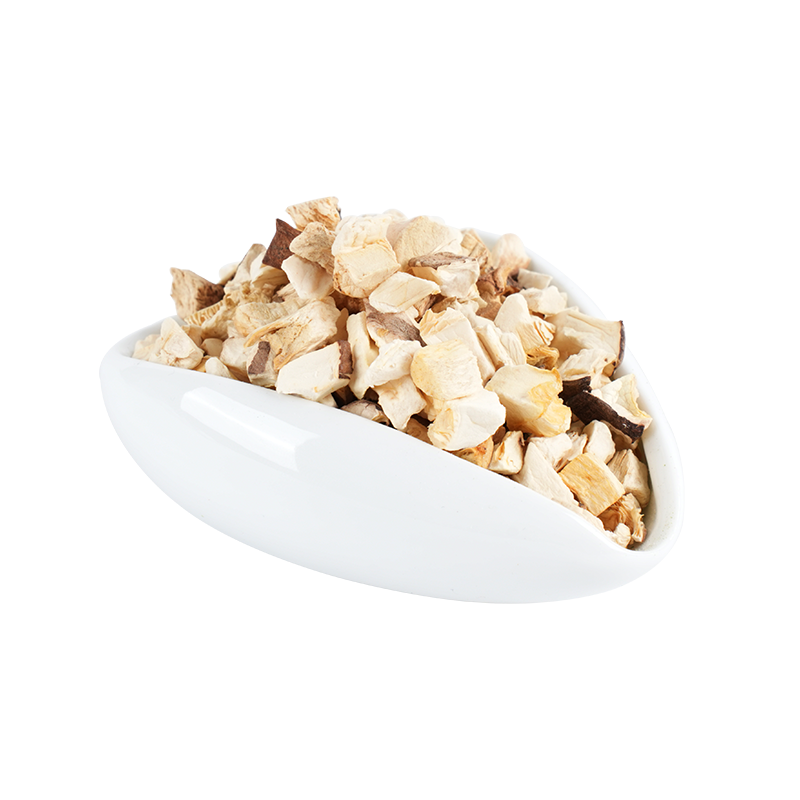 Dehydrated shiitake mushrooms Manufacturers, Dried shiitake mushrooms Suppliers,As China Wholesale Dried shiitake mushrooms Manufacturers and Bulk Dehydrated shiitake mushrooms Suppliers and Dehydrated shiitake mushro...View Product →

 Xinqian Village (Dehydrated Fruit and Vegetable Industrial Park), Duotian Street, Xinghua City, Taizhou City, Jiangsu Province, China
 +86-13852647168
