

 English
 中文简体
中文简体Content
- 1 Why Dehydrated Vegetables Have Become a Global Staple
- 2 The Science of Dehydrating Garlic
- 3 Drying Methods Used for Dehydrated Vegetables
- 4 Nutritional Profile: What Dehydration Preserves and What It Reduces
- 5 Key Applications of Dehydrated Vegetables Across Industries
- 6 Practical Tips for Home Dehydrating Garlic and Vegetables
- 7 Selecting Quality Dehydrated Vegetables From Suppliers
Why Dehydrated Vegetables Have Become a Global Staple
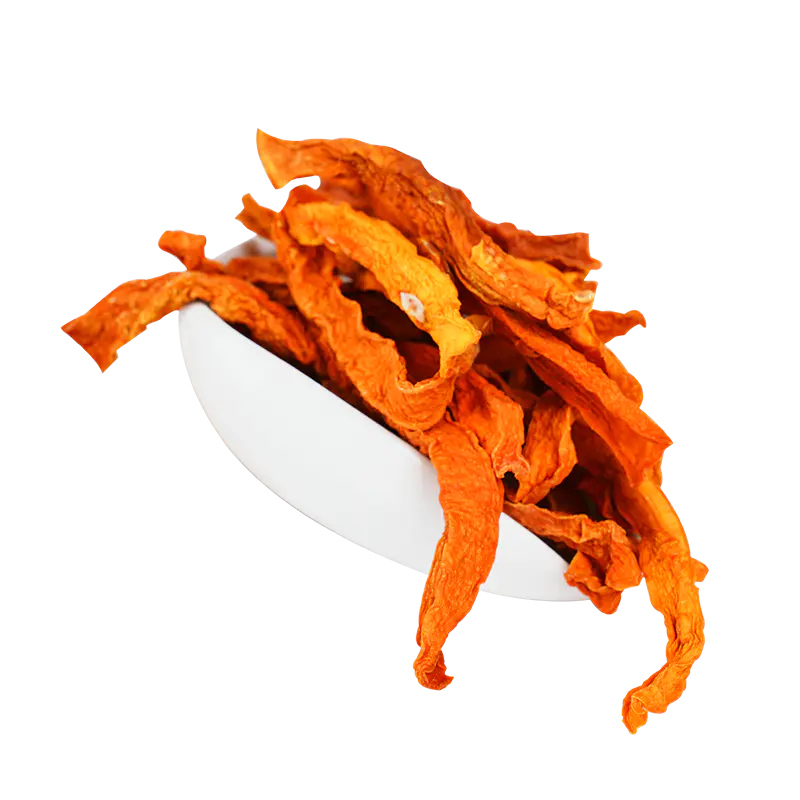
Dehydrated vegetables have earned a permanent place in both household pantries and industrial food supply chains. By removing the moisture content that drives microbial activity and enzymatic spoilage, dehydration extends the usable life of vegetables from days to years without relying on chemical preservatives. The resulting products are dramatically lighter and more compact than their fresh equivalents, reducing transportation costs, storage space requirements, and food waste across the supply chain. For consumers, dehydrated vegetables offer a practical way to maintain a consistent supply of nutritious ingredients regardless of seasonal availability or geographic location. For food manufacturers, they provide standardized, shelf-stable inputs that simplify production scheduling and inventory management across soups, sauces, seasonings, ready meals, and snack products.
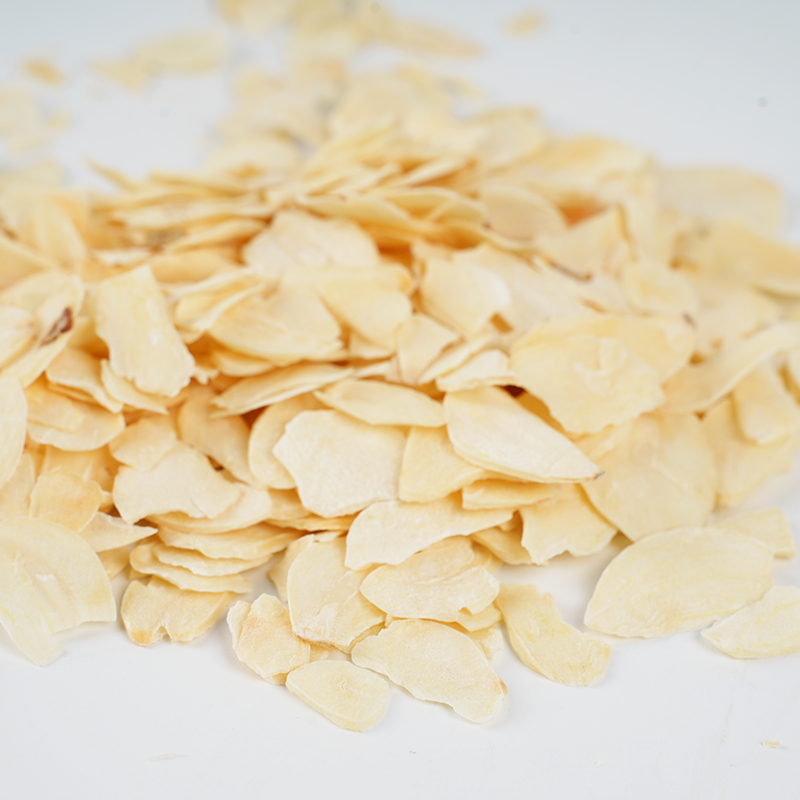
Among the wide variety of vegetables suitable for dehydration, garlic holds a particularly important position. Dehydrating garlic is one of the most commercially significant processes in the dehydrated vegetable industry, producing products ranging from garlic flakes and granules to fine garlic powder — each with distinct applications and flavor intensities. Understanding the principles behind dehydrating garlic and other vegetables provides a clearer picture of why these ingredients perform the way they do in food applications.
The Science of Dehydrating Garlic
Fresh garlic contains approximately 60 to 65 percent water by weight. The goal of dehydrating garlic is to reduce this moisture level to below 6 percent — low enough to inhibit microbial growth while preserving the allicin precursors and sulfur compounds responsible for garlic's characteristic pungency and health properties. The process begins with harvesting mature bulbs, followed by peeling, slicing or mincing, and blanching in some operations to inactivate enzymes that would otherwise cause browning and off-flavor development during drying.
The drying stage is the most technically sensitive part of dehydrating garlic. Hot air drying at temperatures between 55°C and 65°C is the most widely used commercial method, balancing throughput with flavor retention. Temperatures that are too high accelerate the loss of volatile sulfur compounds — the very molecules that give garlic its intensity — and can cause surface case hardening, which traps residual moisture inside the pieces and compromises shelf stability. Lower temperatures preserve more of the volatile aroma profile but extend drying time and increase energy consumption. After drying, the dehydrated garlic is milled to the desired particle size and screened to ensure consistent granule or powder specification before packaging.
Garlic Product Forms and Their Differences
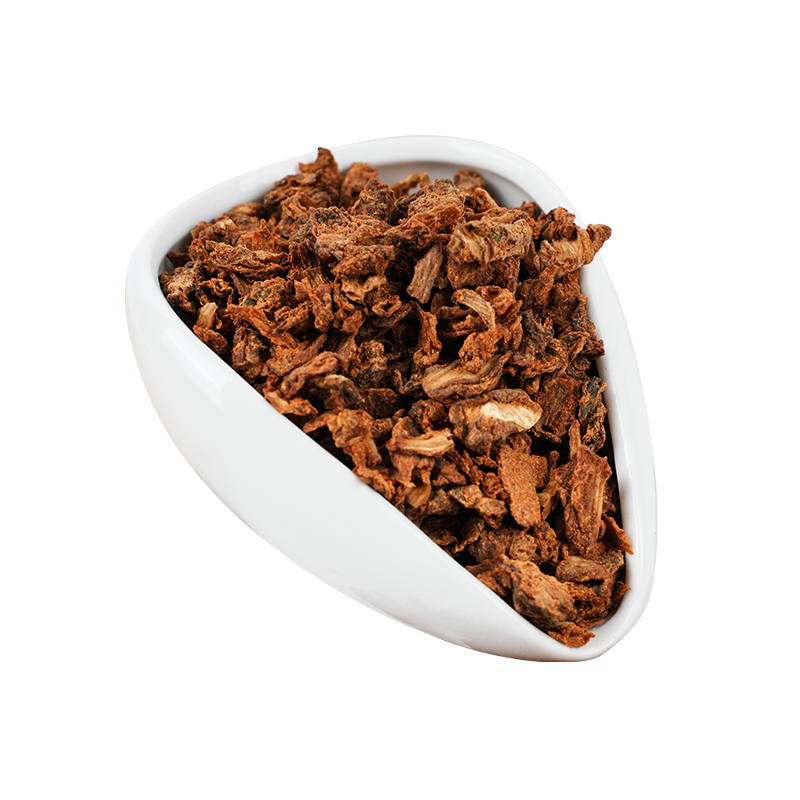
Dehydrating garlic yields several distinct product forms, each suited to different culinary and industrial uses. Garlic flakes are thinly sliced pieces that rehydrate quickly and work well in soups, stews, and marinades. Garlic granules offer a slightly coarser texture than powder and are popular in dry seasoning blends and rubs. Garlic powder, the finest grind, dissolves readily in liquids and provides the most uniform flavor distribution in sauces, dressings, and processed food applications. Roasted garlic powder, produced by roasting before drying, delivers a sweeter, more mellow flavor profile suited to premium snack seasonings and specialty condiments.
Drying Methods Used for Dehydrated Vegetables
Different vegetables respond differently to various drying technologies, and the choice of method significantly affects the nutritional value, texture, color, and rehydration behavior of the finished dehydrated product. The main commercial methods are compared below:
| Drying Method | Temperature | Nutrient Retention | Typical Applications |
| Hot Air Drying | 55–75°C | Moderate | Garlic, onion, carrot, cabbage |
| Freeze Drying | Below 0°C (vacuum) | Highest | Premium meals, supplements |
| Spray Drying | 150–200°C (brief) | Moderate to High | Vegetable powders, instant drinks |
| Vacuum Drying | 40–60°C | High | Heat-sensitive vegetables |
| Sun Drying | Ambient | Low to Moderate | Chilies, tomatoes (artisan scale) |
For dehydrating garlic specifically, hot air drying dominates commercial production due to its scalability and the relative stability of garlic's key sulfur compounds under moderate heat. Freeze drying is used for premium garlic products targeting the nutraceutical and gourmet food sectors, where maximum retention of alliin — the enzymatic precursor to allicin — is a priority.
Nutritional Profile: What Dehydration Preserves and What It Reduces
A common concern about dehydrated vegetables is whether the drying process significantly degrades their nutritional value. The honest answer is nuanced: dehydration preserves some nutrients exceptionally well while reducing others, and the outcome depends heavily on the drying method, temperature, and the specific vegetable involved.
Nutrients that are well-preserved through most dehydration processes include dietary fiber, which remains fully intact since it is structurally unaffected by moisture removal. Essential minerals such as potassium, calcium, magnesium, iron, and zinc are also heat-stable and well-retained, often at higher concentrations per gram than in fresh vegetables due to the reduction in total weight. Fat-soluble antioxidants including beta-carotene and lycopene survive the drying process effectively, maintaining their functional value in the finished product.
The primary nutritional losses occur with water-soluble vitamins, particularly vitamin C and certain B vitamins, which degrade under heat and oxidative conditions during drying. For dehydrating garlic, the sulfur-containing organosulfur compounds that contribute to its functional health properties — including alliin, diallyl disulfide, and S-allyl cysteine — are partially reduced but remain present in meaningful quantities in well-processed products. Choosing lower drying temperatures and shorter drying cycles helps minimize these losses across all vegetable types.
Key Applications of Dehydrated Vegetables Across Industries
The versatility of dehydrated vegetables extends across a broad range of industries, each leveraging different properties of the dried ingredients to meet specific product requirements.
Soups, Sauces, and Seasoning Blends
Dehydrated vegetables are a cornerstone ingredient in instant soup mixes, bouillon cubes, and dry seasoning blends. Dehydrated garlic in granule or powder form provides consistent, concentrated flavor in spice blends without introducing moisture that could shorten shelf life or cause clumping. Mixed vegetable flakes — typically a combination of carrot, leek, celery, and parsley — are used in instant noodle seasoning packets, ramen toppings, and dry soup bases, where they rehydrate rapidly in boiling liquid to restore a fresh-vegetable appearance.
Ready-to-Eat Meals and Military Rations
The combination of light weight, compact volume, and multi-year shelf life makes dehydrated vegetables indispensable in ready-to-eat meal systems, military rations, and emergency food supplies. Freeze-dried dehydrated vegetables are particularly valued in these applications for their superior rehydration characteristics — they restore close to fresh texture within minutes of contact with hot water, whereas hot-air-dried vegetables produce a softer, more fully cooked texture. For camping and outdoor recreation products, the weight savings offered by dehydrated vegetables versus canned equivalents is a critical advantage.
Pet Food and Animal Nutrition
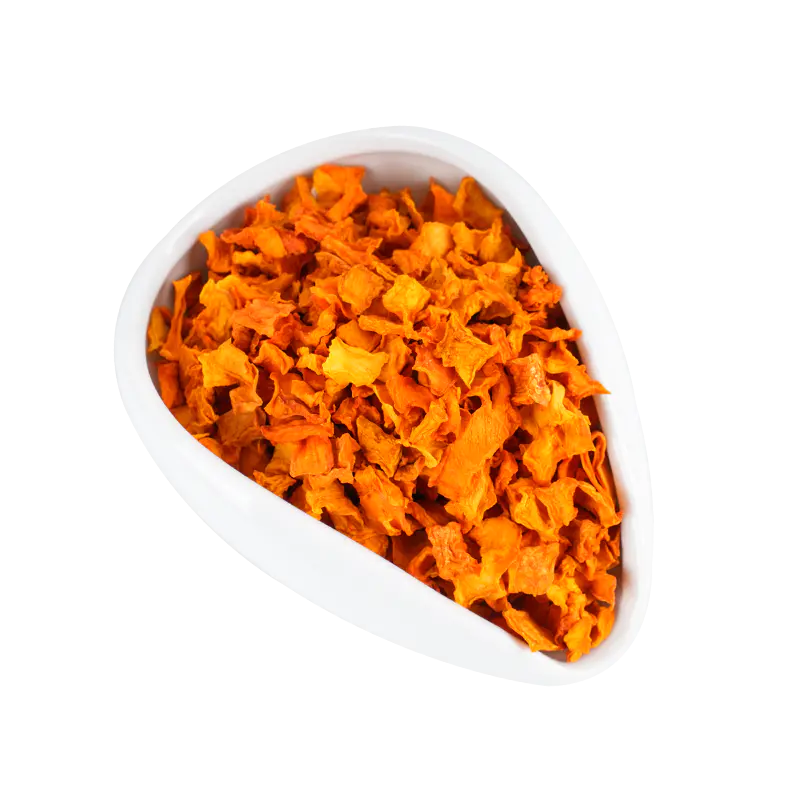
Dehydrated vegetables including sweet potato, peas, carrots, and spinach are increasingly incorporated into premium dry pet foods and treats. They provide fiber, natural color, and micronutrients in a shelf-stable form compatible with dry kibble production. Dehydrating garlic for pet food requires careful attention to concentration levels, as excessive garlic intake can be harmful to dogs and cats — responsible manufacturers use garlic at very low, flavor-only levels with documented safety profiles.
Practical Tips for Home Dehydrating Garlic and Vegetables
Home dehydration has become increasingly accessible with the availability of affordable food dehydrators. For those dehydrating garlic at home, consistent results depend on proper preparation and process control. Start with fresh, firm bulbs free of mold or soft spots. Peel and slice cloves to a uniform thickness of approximately 3mm — thinner slices dry faster and more evenly. Spread slices in a single layer on dehydrator trays without overlapping, and dry at 57°C to 60°C for six to eight hours, or until the pieces snap cleanly rather than bending. Once cooled completely, store in airtight glass jars away from light and heat.
For other dehydrated vegetables at home, the following guidelines apply broadly:
- Blanch before drying: Most vegetables benefit from brief blanching in boiling water to inactivate enzymes, preserve color, and improve rehydration quality. Root vegetables, leafy greens, and brassicas particularly benefit from this step.
- Uniform slicing: Consistent piece size ensures even moisture removal and prevents some pieces over-drying while others remain underdone.
- Test for dryness: Dehydrated vegetables should feel leathery to brittle depending on the type, with no soft or moist spots. Any residual moisture will cause mold during storage.
- Condition before sealing: After drying, allow vegetables to rest loosely in a jar for several days, shaking daily, to equalize any minor moisture variations before final sealing for long-term storage.
- Label with dates: Even well-prepared dehydrated vegetables lose quality over time. Labeling with the drying date helps manage rotation and ensures the freshest product is used first.
Selecting Quality Dehydrated Vegetables From Suppliers
For food manufacturers and bulk buyers sourcing dehydrated vegetables commercially, quality assessment goes beyond simple visual inspection. Reliable suppliers should provide detailed specifications including moisture content — ideally below 6 percent for most vegetables and below 5 percent for dehydrated garlic — along with water activity measurements, microbial testing results, and pesticide residue reports in compliance with importing country standards. Color consistency, absence of foreign material, and defined particle size ranges are additional indicators of production quality control. Country of origin matters as well: China, India, Egypt, and the United States are among the largest producers of dehydrated garlic, each operating under different quality management frameworks, making third-party auditing and COA verification essential steps in supplier qualification.
 Previous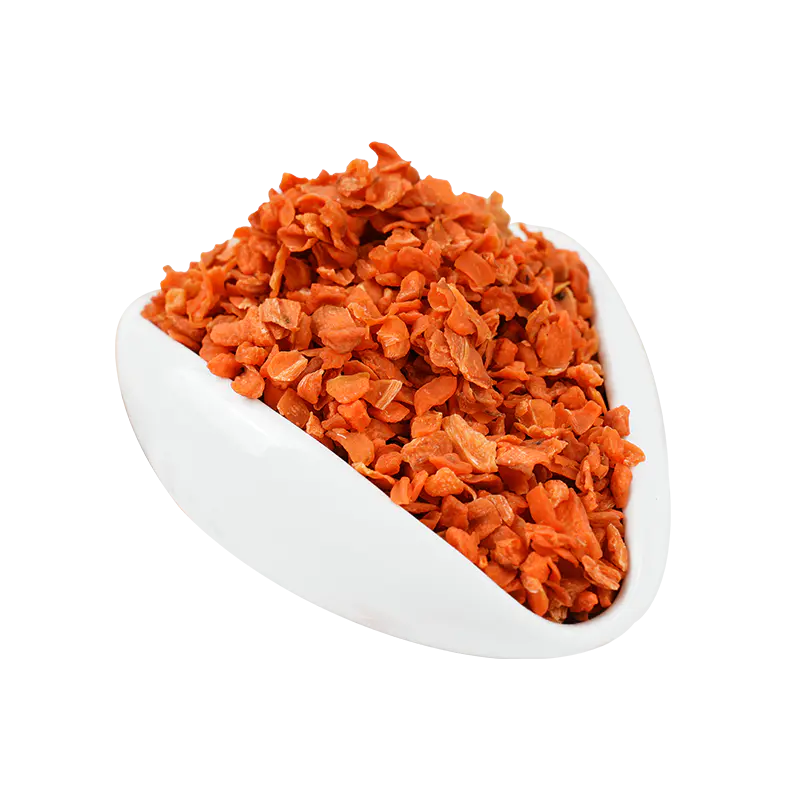

 Xinqian Village (Dehydrated Fruit and Vegetable Industrial Park), Duotian Street, Xinghua City, Taizhou City, Jiangsu Province, China
 +86-13852647168
