

 English
 中文简体
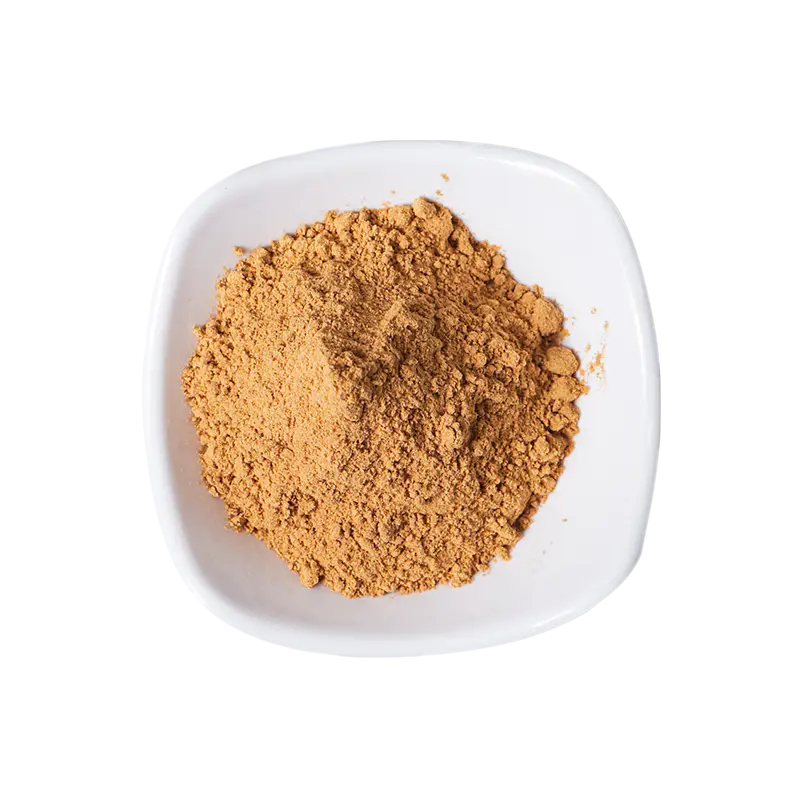
中文简体The single greatest advantage of dehydrated tomato powder in snack seasonings is its ability to deliver intense, concentrated umami and acidity without introducing moisture. Wet pastes, purees, or fresh chopped tomatoes make snacks soggy and shorten shelf life dramatically. Tomato powder sidesteps this entirely, bonding directly to oiled or warm snack surfaces as a dry dusting that packs the full flavor of ripe, cooked tomatoes into a form that stays crisp and shelf-stable for months.
Content
How Dehydration Concentrates Tomato's Savory Power
A fresh tomato is roughly 94% water. Removing that water through low-temperature dehydration reduces the fruit to its flavor-carrying solids: natural sugars, glutamates, malic and citric acids, and carotenoid pigments. The resulting powder contains approximately 14% to 18% natural sugars by weight, alongside significant levels of free glutamic acid, the amino acid responsible for the savory fifth taste known as umami. This natural glutamate concentration is why even a light dusting of tomato powder makes snacks taste deeper, richer, and more satisfying without adding any synthetic flavor enhancers.
Commercially produced tomato powder is typically spray-dried or drum-dried from tomato paste concentrate. Spray-dried powder has a finer, more flowable particle size that distributes evenly across snack surfaces and clings better to uneven shapes. Drum-dried powder tends to have a slightly more caramelized, cooked flavor due to the heated drum surface, making it preferable for barbecue-style and grilled-flavor snack blends. Home-dehydrated powder, made by grinding oven-dried or dehydrator-dried tomato slices, often retains tiny flecks of skin and seed that add a rustic visual appeal and a slightly more acidic bite, ideal for artisan popcorn and kettle chip applications.
Building a Core Tomato Dusting Blend
A pure tomato powder dusting tastes one-dimensional on its own. The acid punches, the umami lingers, but the palate quickly tires without contrast. The most effective snack seasonings build a structured blend around the tomato base, layering salt, fat-compatible aromatics, and a touch of sweetness to round the acidity. The table below provides a foundational tomato snack seasoning formula that can be modified for different snack substrates.
| Table: Foundational tomato snack seasoning formula structured for balance and shelf stability | ||
| Ingredient | Weight Ratio (per 100g) | Function in the Blend |
| Dehydrated tomato powder | 45g | Base umami, acidity, and red color |
| Fine sea salt or popcorn salt | 25g | Flavor amplifier and primary palate hit |
| Powdered sugar or dextrose | 10g | Balances acidity without overt sweetness |
| Garlic powder | 8g | Adds savory allium depth |
| Onion powder | 7g | Sweet, aromatic background note |
| Citric acid powder | 3g | Brightens and sharpens tomato tang |
| Dried herb (basil or oregano) | 2g | Aromatic finish and visual speckle |
This blend is designed to mimic the flavor profile of a classic pizza or tomato-herb snack without any cheese component. For a cheesy tomato variant, nutritional yeast powder or dehydrated cheese powder can replace 15 grams of the tomato powder allocation, shifting the umami source from pure tomato glutamate to a dairy-tomato synergy. The citric acid remains critical in any variation, as tomato powder's own acidity can taste muted after dilution across a large batch of snacks, and the additional acid punch restores the bright, mouthwatering quality that makes tomato-flavored snacks compelling.
Adhesion: Making the Powder Stick
Dry seasoning powder applied to a dry snack surface simply falls off and pools at the bottom of the bowl. The snack must present a tacky surface for the powder to grip. The choice of adhesion agent depends on the snack type and the desired mouthfeel.
For popcorn, a light misting of neutral oil such as refined coconut or sunflower oil applied with a pump sprayer creates an even, thin film that holds powder without making kernels greasy. The popcorn should be tossed while still hot from popping, as the residual steam escaping from the kernel surface also aids initial adhesion. For roasted nuts, the adhesion window occurs immediately after they exit the oven or stovetop pan, when the nuts' own surface oils are warm and fluid. Tossing hot nuts with tomato seasoning at this moment allows the powder to partially dissolve into the nut oil and form a bonded coating that does not rub off on fingers during eating. For baked chips, a pre-bake toss in a small amount of oil followed by a post-bake dusting while the chips are still warm and pliable yields the best dual-layer adhesion, with some seasoning baked into the surface and a fresh aromatic layer on top.
Pairings That Amplify Tomato's Umami
Tomato powder's glutamic acid content makes it a natural partner for ingredients containing synergistic nucleotides that magnify umami perception. This synergy, well documented in food science literature, means that a tomato powder and dried mushroom blend tastes exponentially more savory than either ingredient alone. Adding 5% to 10% porcini or shiitake mushroom powder to the blend by weight triggers this effect, creating a seasoning that tastes meaty, brothy, and deeply satisfying on popcorn, roasted chickpeas, or pita chips.
Smoked paprika is another powerful partner. Its smoky phenols overlay tomato's sweet acidity with a barbecued, fire-roasted character that transforms plain potato chips into something resembling grilled tomato salsa. A ratio of four parts tomato powder to one part smoked paprika creates a balanced starting point. For those seeking a spicy kick, cayenne or chipotle powder can be incorporated at 2% to 5% of total blend weight. Chipotle is the superior choice here, as its own smokiness bridges the tomato and paprika notes while adding a lingering, warm heat that builds slowly rather than assaulting the tongue upfront.
 Previous

 Xinqian Village (Dehydrated Fruit and Vegetable Industrial Park), Duotian Street, Xinghua City, Taizhou City, Jiangsu Province, China
 +86-13852647168
