

 English
 中文简体
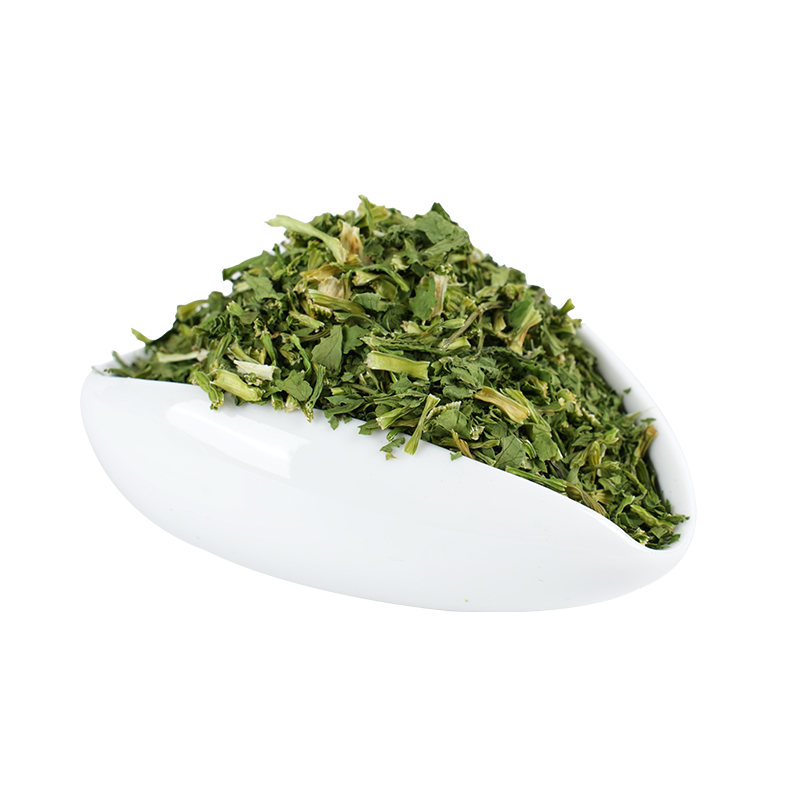
中文简体Dehydrated coriander is the most practical herb format for everyday cooking because it requires zero prep, zero waste, and zero planning. Unlike fresh cilantro, which demands washing, chopping, and immediate use before it turns to slime in the refrigerator, dried coriander leaves sit ready on the shelf for months. A pinch goes directly from jar to pan, pot, or finished plate without a knife touching a cutting board. This frictionless path from pantry to meal is what transforms an occasional herb user into someone who reaches for green flavor daily.
Content
Understanding the Leaf Versus Seed Distinction
Confusion between coriander leaf and coriander seed undermines many recipes before they begin. Dehydrated coriander is the dried leaf of the Coriandrum sativum plant, known as cilantro in its fresh form. Ground coriander spice is the dried seed, a completely different ingredient with a warm, citrusy, slightly nutty character. The dried leaf delivers a gentler, more herbaceous version of the fresh cilantro flavor, with the pungent aldehydes that some palates find soapy significantly mellowed by the dehydration process.
This mellowing effect is precisely why dehydrated coriander is so easy to use for cooks who are ambivalent about fresh cilantro. The drying process reduces the concentration of specific unsaturated aldehydes that trigger the soapy taste perception in individuals with the OR6A2 gene variant. The result is a product that retains the fresh, green, slightly citrusy character of the herb while being broadly palatable to roughly 90% of eaters, including many who would pick fresh cilantro leaves out of a dish. For the cook, this means a single jar of dehydrated coriander can serve a diverse table without separate herb accommodations.
Direct Addition Without Rehydration
The defining "easy to use" feature of dehydrated coriander is its ability to be added directly to dishes without soaking, chopping, or pre-mixing. The thin, delicate leaf structure rehydrates almost instantly when it contacts hot liquid or steam. A pinch stirred into a just-finished pot of lentil soup blooms and softens within 30 to 60 seconds of residual heat, releasing its flavor without any preliminary step. Sprinkled over hot rice, the steam rising from the grains hydrates the dried leaves in moments, turning them into soft, fragrant flecks indistinguishable from fresh chopped cilantro to the eye and tongue.
This instant-rehydration property eliminates the sequencing problem that complicates fresh herb use. Fresh cilantro must be added at the very end of cooking or it wilts into brown, flavorless threads. Dehydrated coriander can be added at the end, or it can be stirred in during the final five minutes of simmering without losing its structural integrity. The dried leaf absorbs surrounding liquid and softens rather than breaking down. For a weeknight curry, dal, or stir-fry, a generous pinch can be added alongside the salt during final seasoning, a workflow simplification that fresh herbs simply do not permit.
No-Waste Portioning and Shelf Stability
Fresh cilantro is sold in large, fixed-weight bunches. A typical recipe calls for two tablespoons of chopped leaves, and the remaining three-quarters of the bunch wilts in the crisper drawer. Dehydrated coriander eliminates this waste entirely. The cook uses precisely the amount needed, a quarter teaspoon or a full tablespoon, and the jar returns to the shelf unchanged. There is no race against decay, no odor of rotting vegetation in the refrigerator, and no guilt about the compost bin filling with once-fresh herbs.
The shelf life supports this zero-pressure usage model. Properly dried and stored coriander leaves retain meaningful flavor for 12 to 18 months in a sealed container away from light and heat. Even after two years, the herb remains safe and contributes color and mild flavor, though the vibrancy diminishes. This longevity means a single jar purchased at the start of a season covers every taco night, every pot of soup, and every scrambled egg garnish until the jar runs empty. The economics shift in favor of the dehydrated format not because it is cheaper per ounce, but because nearly 100% of the purchased product actually reaches the plate, compared to perhaps 30% to 40% of a fresh bunch.
Flavor-Building Techniques That Take Seconds
Moving beyond the simple pinch-from-jar method, a few techniques extract even more flavor from dehydrated coriander without adding meaningful time or effort. These methods preserve the ease-of-use advantage while delivering results comparable to fresh herbs in aroma and visual appeal.
Palm-Rubbing for Instant Aroma Release
The dried leaves contain essential oils trapped within their cell walls. Rubbing a pinch of dehydrated coriander between the palms for a few seconds before sprinkling crushes the leaves into smaller fragments and warms the oils, releasing an immediate burst of fragrance. This technique takes less than five seconds and transforms the herb from a silent visual garnish into an aromatic contributor that announces itself as the plate reaches the table. It works especially well for cold applications like yogurt dips, salads, and finishing touches on gazpacho, where no cooking heat is available to wake the herb up.
Oil Bloom for Dispersed Flavor
For dishes that begin with a hot fat base, stirring dehydrated coriander directly into the shimmering oil or melted butter for 15 to 20 seconds before adding other ingredients disperses its flavor throughout the entire dish. Unlike fresh cilantro, which sputters, blackens, and turns bitter in hot oil, dried coriander leaves toast gently and infuse the fat with a subtle, grassy fragrance that permeates every subsequent ingredient. This technique is the fastest route to a coriander-scented omelette, a pot of coriander rice, or a sauté of summer vegetables that tastes deliberate rather than afterthought-garnished.
Everyday Applications Across Meal Categories
The true measure of an ingredient's ease is how many times per week it gets used. Dehydrated coriander's versatility across breakfast, lunch, and dinner separates it from single-use specialty herbs like tarragon or dill. The table below maps common daily meals to a corresponding coriander application that adds flavor with negligible effort.
| Meal | Dish Example | Method of Use | Time Added |
|---|---|---|---|
| Breakfast | Scrambled eggs or omelette | Pinch stirred into beaten eggs before cooking | 5 seconds |
| Lunch | Instant noodle soup upgrade | Sprinkled into bowl before pouring hot broth | 3 seconds |
| Dinner | Taco or burrito bowl assembly | Pinch over assembled dish as finishing herb | 2 seconds |
| Side Dish | Steamed rice or couscous | Forked through hot grains with butter and salt | 10 seconds |
| Snack | Hummus or yogurt dip | Palm-rubbed and sprinkled on top | 7 seconds |
These applications share a common thread: they do not require a special trip to the store, an extra prep step, or a change to the cooking timeline. The coriander jar sits next to the salt and pepper, accessed with the same reflexive reach, transforming plain food into seasoned food in the same motion that adds salt.
Storage and Handling for Maximum Convenience
The "easy to use" promise breaks if the jar clumps, the leaves cake into a solid block, or the flavor fades prematurely. A few simple storage habits ensure the product remains as effortless on the hundredth use as on the first. The container should be a glass jar with a tight-sealing lid, not a tin or a plastic shaker with large holes that admits humid air from the dishwasher or stove steam. A small food-safe desiccant packet tucked inside the jar actively scavenges moisture and prevents clumping for the life of the product.
The jar's location matters as much as its construction. A shelf above the stove or next to the kettle subjects the herb to daily heat cycles that drive off volatile oils. A cool, dark cupboard or drawer, maintained below 24°C, preserves aroma nearly twice as long as a rack exposed to kitchen heat and light. The ideal setup is a small, dedicated spice drawer near the cooktop but shielded from direct heat, with the coriander jar visible and reachable without moving other containers. When grabbing the herb is as easy as grabbing the salt, it becomes a daily habit rather than a special-occasion flourish.
 Previous

 Xinqian Village (Dehydrated Fruit and Vegetable Industrial Park), Duotian Street, Xinghua City, Taizhou City, Jiangsu Province, China
 +86-13852647168
