

 English
 中文简体
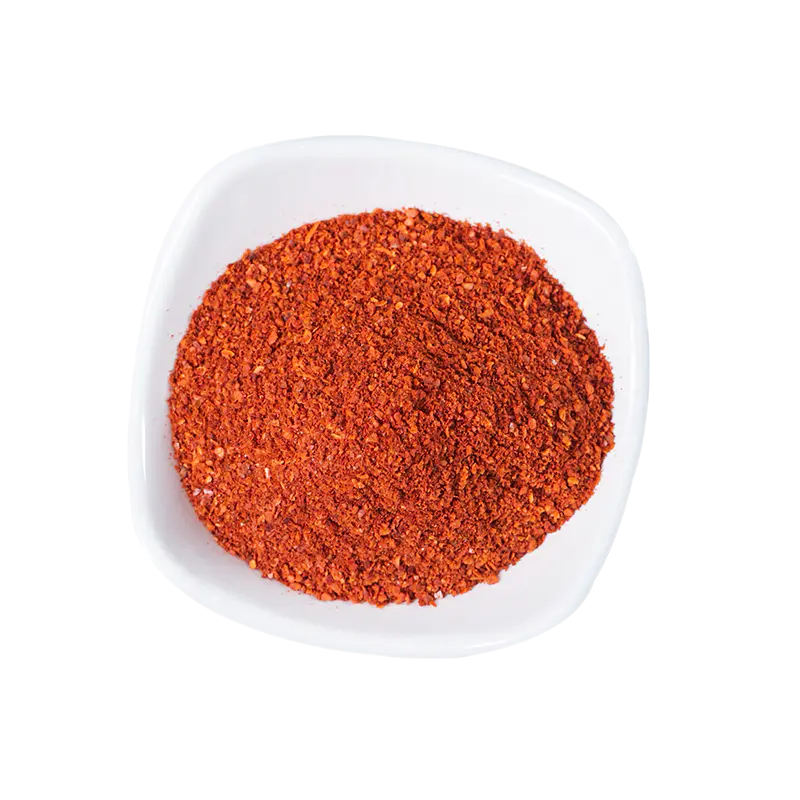
中文简体The most important technique for cooking with dehydrated chili powder is to bloom it in hot fat before adding any liquid to the pan. This single step, taking no more than 30 to 45 seconds, transforms raw, dusty spice into a complex, aromatic foundation that permeates the entire dish. Skipping the bloom and adding chili powder directly to a simmering liquid traps its volatile oils inside unopened cell structures, resulting in a flat, one-dimensional heat that lacks the fruity, smoky, or earthy depth inherent in quality dried chilies.
Content
Understanding Dehydration's Effect on Flavor Chemistry
Dehydrated chili powder is not simply fresh chilies with the water removed. The dehydration process, whether by sun, air, or controlled low-heat mechanical drying, triggers enzymatic and Maillard reactions that create new flavor compounds absent in the raw fruit. Sugars concentrate, typically reaching 12% to 18% of the dried weight, while capsaicinoids responsible for heat remain largely intact. The result is a shelf-stable ingredient with a flavor profile that is simultaneously sweeter, smokier, and more intensely savory than any fresh chili paste can deliver.
This concentration effect means that dehydrated chili powder should be treated as a fundamentally different ingredient from fresh chilies in recipe development. A dish calling for two fresh jalapeños cannot simply substitute an equal weight of jalapeño powder. The powder brings concentrated sugars and a toasted, almost nutty character that the fresh pepper lacks entirely. Understanding this distinction allows a cook to use dehydrated chili powder not just for heat, but as a primary flavor-building tool alongside onions, garlic, and spices.
The Science and Practice of Fat Blooming
Chili powder contains hundreds of volatile aromatic compounds, the vast majority of which are fat-soluble rather than water-soluble. The most important of these, including the fruity esters that distinguish ancho from guajillo and the smoky phenols in chipotle, will not release into a water-based broth or tomato sauce without first being carried by fat molecules. The technique of blooming addresses this chemistry directly.
The method is straightforward. Warm ghee, neutral vegetable oil, rendered bacon fat, or animal dripping in a pan over medium heat until it shimmers, at roughly 120°C to 150°C. Add the measured chili powder and stir continuously for 30 to 45 seconds. The powder will darken slightly, release an intensely fragrant aroma, and form a loose paste with the fat. At this precise moment, before the powder scorches and turns bitter, the next ingredient—whether chopped onions, tomato puree, or stock—must be added to drop the pan temperature and halt the cooking. A bloomed chili base tastes noticeably rounder, fruitier, and more integrated than the same powder added ten minutes later to a bubbling pot. The difference is not subtle; it is the dividing line between chili that tastes like raw spice and chili that tastes like a finished, harmonious dish.
Choosing the Right Chili Variety for the Dish
The term "chili powder" encompasses dozens of distinct Capsicum annuum cultivars, each with a unique heat level, flavor profile, and best-use case. Generic supermarket chili powder is often a blend whose dominant note is cumin, not chili. Single-variety powders give the cook precise control. The table below maps common dehydrated chili powders to their culinary strengths.
| Chili Variety | Scoville Heat Range | Dominant Flavor Notes | Ideal Cooking Application |
|---|---|---|---|
| Ancho (dried Poblano) | 1,000 – 2,000 | Raisin, dried plum, mild tobacco | Mole sauces, beef stews, enchilada sauce |
| Guajillo | 2,500 – 5,000 | Tangy, fruity, green tea tannins | Salsas, pozole, marinades for pork |
| Chipotle (dried Jalapeño) | 5,000 – 10,000 | Deep smoke, earthy, moderate heat | Barbecue sauces, chili con carne, adobo |
| Cayenne | 30,000 – 50,000 | Neutral, sharp, clean heat | Finishing heat, dry rubs, oil infusions |
Blending multiple powders in a single dish creates layered heat and complexity. A classic chili con carne might use ancho for body and fruitiness, chipotle for smokiness, and a small amount of cayenne for a clean, front-of-palate heat that fades quickly. The ratio might be three parts ancho to one part chipotle to one-quarter part cayenne. This layering of different capsaicinoid profiles and flavor compounds produces a dish that tastes deep and evolving rather than monotonously spicy.
Layering: Multi-Stage Addition for Depth
A single addition of chili powder at the beginning of cooking provides a solid foundation, but the most accomplished cooks deploy it in stages. The concept of layering separates total chili powder quantity into distinct additions timed to achieve different effects. The first addition, bloomed in the initial fat, anchors the dish's flavor base. A second addition, stirred in during the last 10 to 15 minutes of simmering, contributes brighter, less transformed top notes that evoke the fresh chili's original fruit character. An optional third addition, a light dusting over the plated dish, provides an aromatic burst that hits the nose before the first bite.
This approach applies equally to slow-cooked stews and quick vegetable sautés. For a lentil soup that cooks for 45 minutes, blooming half the chili powder with the initial onion and garlic soffritto embeds a deep, cooked-chili flavor throughout the broth. Stirring the remaining half in five minutes before serving restores the high-volatility aromatics that the long simmer stripped away. The total amount of powder remains the same, but the perceived complexity increases dramatically.
Rehydrating Powder for Paste-Based Dishes
Certain preparations, particularly moles, adobos, and curry-style dishes, benefit from chili powder that is first rehydrated into a paste rather than added dry to fat. This technique involves mixing the powder with an equal weight of hot, but not boiling, water or stock and allowing it to stand for 10 to 15 minutes. The hydration swells the dried cell walls, releasing pectin and starch that contribute body to the final sauce.
The resulting paste can then be fried in the hot fat, a method that is gentler than blooming dry powder because the water content buffers the temperature. The paste fries until the water evaporates and the fat separates from the solids, a visual cue called "seeing the oil" in many cooking traditions. At this stage, the chili solids are fully cooked, the raw flavor is gone, and the fat carries the chili's essence. This method is particularly suited to ancho and pasilla powders, whose high-fiber content benefits from the additional hydration time to soften completely into a silky, non-gritty texture.
Storage and Shelf-Life Management
Dehydrated chili powder does not spoil in the manner of fresh produce, but it does fade. The twin enemies are oxygen and light, both of which accelerate the oxidation of carotenoid pigments and volatile aroma compounds. A vibrant brick-red powder stored in a clear jar on a spice rack near the stove will lose 30% to 40% of its aromatic potency within 12 months, even if it remains perfectly safe to consume.
Proper storage in an airtight container, kept in a dark cupboard at a stable temperature below 21°C, extends the useful life of chili powder to two years with minimal degradation. The freezer, maintained at -18°C, nearly halts volatile loss entirely and is the recommended storage for chili powders purchased in bulk or used infrequently. A simple quality check can be performed before cooking: a pinch of the powder should release a noticeable aroma when rubbed between warm fingers. If no scent develops until the powder is heated, much of its value has already dissipated and it should be replaced or used only in dishes where it will be supplemented by fresher spice.
 Previous

 Xinqian Village (Dehydrated Fruit and Vegetable Industrial Park), Duotian Street, Xinghua City, Taizhou City, Jiangsu Province, China
 +86-13852647168
