

 English
 中文简体
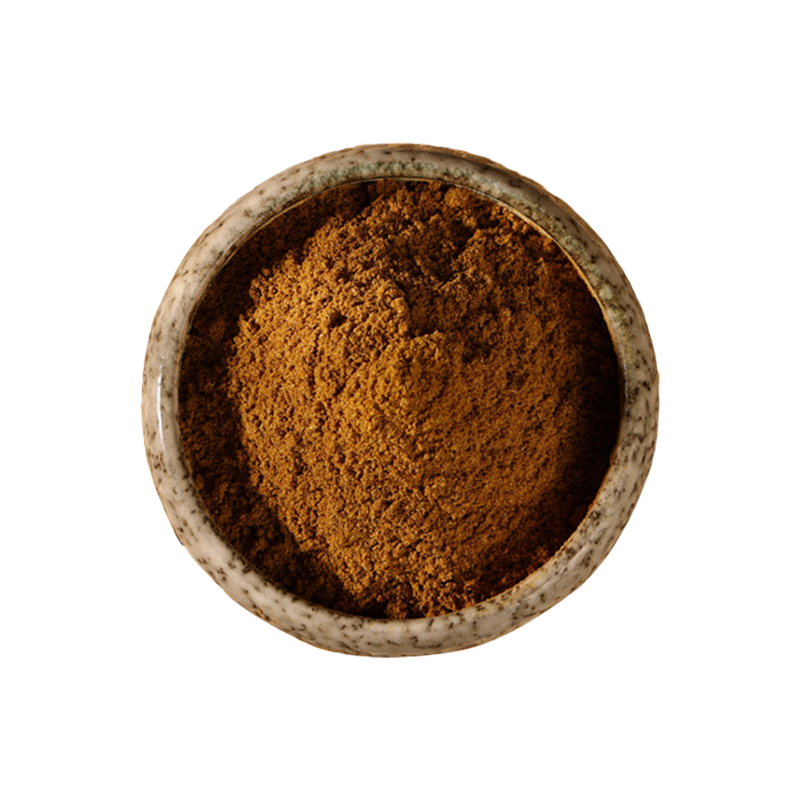
中文简体Cumin powder is the single most transformative spice you can add to a BBQ dry rub. Its warm, earthy, slightly bitter notes create the backbone of flavor that defines world-class barbecue. The key to using cumin powder effectively on the grill is understanding its heat sensitivity and bloom temperature: cumin releases its full aromatic potential when it reaches approximately 150°C to 180°C (300°F to 350°F), which coincides precisely with the surface temperature range of properly seared meat. Apply it too early at low smoking temperatures, and it never fully develops. Burn it past its smoke point of roughly 230°C (446°F), and it turns acrid and bitter. The sweet spot is a medium-heat application where the cumin toasts on the meat surface without charring, unlocking a depth that pre-ground raw cumin simply cannot deliver on the plate.
Content
- 1 Why Cumin Powder Belongs in Every BBQ Spice Arsenal
- 2 Timing Your Cumin Application for Maximum Flavor
- 3 Building a Balanced BBQ Dry Rub with Cumin
- 4 Regional Cumin BBQ Blends and Their Signature Profiles
- 5 Toasting and Grinding: Why Whole Seeds Matter for BBQ
- 6 Pairing Cumin with Wood Smoke and Charcoal
- 7 Common Mistakes When Using Cumin on the Grill
Why Cumin Powder Belongs in Every BBQ Spice Arsenal
Cumin contains a volatile oil called cuminaldehyde, which makes up approximately 25% to 40% of its essential oil content. This compound is responsible for the distinctive warm, musky aroma that pairs so naturally with the Maillard reaction compounds formed during grilling. Unlike delicate herbs that vanish under high heat, cumin's flavor compounds are relatively heat-stable, but they do transform. Raw cumin has a sharper, almost peppery bite. When toasted, the pyrazines in the seed develop, converting that sharpness into a rounder, nuttier, more savory profile. This is why a dry rub containing cumin tastes fundamentally different on raw meat than it does after 20 minutes over charcoal—the heat has chemically evolved the spice.
From a practical standpoint, cumin also functions as a flavor bridge in complex rubs. Its earthiness anchors brighter spices like coriander and smoked paprika, while its slight bitterness cuts through the richness of fatty cuts like brisket, pork shoulder, and lamb ribs. A rub without cumin can taste one-dimensional and simply salty; a rub with cumin tastes layered and complete, even before the smoke hits the meat.
Timing Your Cumin Application for Maximum Flavor
The moment you apply cumin powder to meat matters as much as the quantity. There are three distinct application windows, each producing a different result. Understanding these allows you to layer cumin's flavor rather than simply dumping it into a single rub mix.
The Overnight Dry Brine Window
For large cuts like brisket or pork butt, applying a salt-and-spice rub containing cumin 12 to 24 hours before cooking allows the salt to penetrate the muscle fibers while the cumin's oil-soluble compounds begin to infuse into the surface fat. This is particularly effective on beef because the fat cap renders slowly, carrying cumin's flavor deeper into the meat. However, cumin's volatile aromatics dissipate over time when exposed to air. After 24 hours, the high notes fade, leaving the deeper, earthier base notes. For a more complex cumin flavor, reserve a portion of the rub to apply fresh just before grilling, creating two distinct layers of cumin character in the finished bark.
The Just-Before-Grilling Window
Applying cumin powder immediately before the meat hits the grill maximizes the sharp, fresh, almost citrusy top notes. This is ideal for quick-cooking cuts like flank steak, chicken thighs, and lamb chops where the total cook time is under 30 minutes. The cumin hits the hot grate and toasts immediately, blooming its aromatics into the air and onto the meat surface. This method produces the most intense and recognizable cumin punch, but it lacks the depth of a longer marinade or brine. For the best of both worlds, use a cumin-forward wet marinade for several hours and then dust the surface with a dry rub containing more cumin immediately before grilling.
The Post-Grill Finishing Window
This is a technique borrowed from Middle Eastern and Indian grilling traditions. A small amount of freshly dry-toasted and ground cumin is sprinkled over grilled meat immediately after it comes off the fire. The residual heat of the meat warms the spice without further cooking it, delivering the purest, most unadulterated cumin aroma. This finishing cumin tastes distinct from the cooked-in cumin in the rub, creating a recognizable two-note cumin profile that signals authentic preparation. The amount used here is tiny—a pinch per serving—but the aromatic impact is outsized.
Building a Balanced BBQ Dry Rub with Cumin
Cumin should never be a solo act in a dry rub. Its intensity demands counterbalancing flavors and supporting players that round out its edges. A well-constructed rub has a structural logic: a salt base for penetration, a sugar component for caramelization and bark formation, heat elements for complexity, and aromatics—including cumin—that provide the distinct character. The table below breaks down the functional role of each rub component and how cumin interacts with them.
| Rub Component | Typical Proportion | Function in the Rub | Interaction with Cumin |
|---|---|---|---|
| Kosher Salt | 40-50% | Moisture retention, flavor carrier | Amplifies cumin's savory notes |
| Brown Sugar | 15-25% | Bark formation, sweetness to balance heat | Cuts cumin's natural bitterness |
| Smoked Paprika | 10-15% | Color, smoky sweetness | Echoes cumin's earthiness, adds depth |
| Cumin Powder | 8-12% | Core flavor signature | The dominant aromatic anchor |
| Garlic & Onion Powder | 8-10% each | Savory umami backbone | Supports cumin without competing |
| Black Pepper | 5-8% | Pungent heat, bite | Contrasts cumin's warmth with sharpness |
The cumin percentage is deliberately kept in the 8% to 12% range. This seems modest, but cumin is potent. Pushing much beyond 15% risks the rub tasting monochromatic and chalky. The supporting aromatics—paprika, garlic, onion, and pepper—create a multi-dimensional background against which the cumin can stand out clearly. A higher cumin percentage works in specific regional blends like a Texas-style beef rub, where cumin and black pepper dominate, but for all-purpose pork and chicken applications, restraint prevents cumin fatigue.
Regional Cumin BBQ Blends and Their Signature Profiles
Cumin is a global spice, and different BBQ traditions have developed distinctive blends that showcase its versatility. Understanding these regional approaches allows you to intentionally borrow techniques rather than mixing a generic "spiced" rub that lacks cultural coherence.
Texas-Style Brisket Rub: Cumin as a Bold Counterpoint
Central Texas barbecue traditionally relies on just salt and black pepper—the famous "dalmatian rub." However, in West Texas and in competition circuits, cumin has become a respected addition. A West Texas brisket rub uses a ratio of 2 parts coarse black pepper, 1 part kosher salt, and 1 part cumin powder. The cumin is added not as a background note but as a foreground equal to the pepper. When seared onto the brisket bark over post-oak smoke, the cumin develops an almost coffee-like roasted character that deepens the beef flavor. This rub works because brisket is fatty and rich enough to stand up to cumin's intensity; applying the same ratio to a lean tri-tip would overwhelm the meat.
Mexican Carne Asada Marinade: Cumin in Liquid Form
Mexican grilling culture uses cumin powder extensively but often in a wet marinade rather than a dry rub. A classic carne asada marinade for skirt or flank steak combines cumin with fresh lime juice, orange juice, chopped cilantro, garlic, and a neutral oil. The acid in the citrus helps carry cumin's fat-soluble compounds into the meat fibers, while the oil coats the surface and prevents the cumin from burning on the grill. The cumin content in a carne asada marinade is substantial—roughly one tablespoon of cumin powder per 500g of beef—but the acid and freshness of the citrus balance it, and the short marination time of 2 to 4 hours prevents it from becoming overpowering. The meat is grilled over high, direct heat, toasting the cumin-saturated surface quickly and creating a charred, aromatic crust.
Middle Eastern Kofta Spice Mix: Cumin as Part of a Complex Blend
In Middle Eastern grilling, ground lamb or beef kofta kebabs are seasoned with a spice mix where cumin shares the stage equally with coriander, allspice, cinnamon, and sumac. The blend is mixed directly into the ground meat rather than applied to the surface, meaning the cumin infuses the entire kebab and cooks from within. A representative blend for 1kg of ground meat includes: 2 teaspoons cumin powder, 2 teaspoons coriander powder, 1 teaspoon allspice, 1 teaspoon cinnamon, 1 teaspoon sumac, 2 teaspoons salt, and a handful of finely chopped parsley and onion. When the kofta hits the grill, the surface cumin chars slightly while the interior cumin steams in the meat's own fat, creating two distinct cumin expressions in a single bite.
Indian Tandoori-Style Rub: Cumin in a Yogurt Matrix
Indian grilling, whether in a tandoor oven or over a backyard charcoal grill, uses cumin as part of a multi-spice yogurt marinade that serves a dual purpose: flavor delivery and thermal protection. The yogurt acts as an insulator, preventing the spices from burning while the meat cooks through. A tandoori-style chicken marinade for 1kg of chicken includes 1 tablespoon cumin powder, 1 tablespoon coriander powder, 1 tablespoon garam masala, 2 teaspoons turmeric, 2 teaspoons Kashmiri chili powder, salt, ginger-garlic paste, and enough yogurt to coat. The cumin in this blend interacts with the lactic acid in the yogurt, mellowing its edge, while the extended marination time of 6 to 24 hours allows the fat-soluble compounds to deeply penetrate the meat.
Toasting and Grinding: Why Whole Seeds Matter for BBQ
Pre-ground cumin powder from a jar is convenient, but it has already lost a significant portion of its volatile oils before it reaches your spice rack. Whole cumin seeds, toasted dry in a pan until they smoke faintly and turn a shade darker, and then ground immediately before use, deliver a vastly superior flavor. The difference is quantifiable: pre-ground cumin retains roughly 30% to 50% of the volatile oil content of freshly toasted and ground seeds after six months of storage. If you are competing, cooking for a special occasion, or simply want to taste what cumin is truly capable of, the 5 minutes it takes to toast and grind whole seeds is the single highest-impact upgrade you can make to your BBQ rub.
The technique is simple: heat a dry, heavy-bottomed pan over medium heat. Add whole cumin seeds and shake the pan continuously for 60 to 90 seconds until the seeds darken slightly and release a visible wisp of smoke. Immediately transfer the seeds to a cold plate to stop the toasting, then grind them to a fine powder in a dedicated spice grinder or mortar and pestle. Use the powder within 2 to 3 days for peak potency, or store it in an airtight container away from light for up to two weeks. For a BBQ rub, this fresh-ground cumin will be noticeably more fragrant and will bloom more dramatically on the hot meat surface than any jarred powder.
Pairing Cumin with Wood Smoke and Charcoal
The type of fuel and smoke used in BBQ interacts chemically with cumin's flavor compounds, and certain pairings are objectively better than others. Mesquite, with its aggressive, almost creosote-like intensity, can clash with cumin's complexity, creating a muddy, overpowering profile. Hickory is more forgiving but still dominates cumin's subtler notes. The best wood pairings for cumin-forward rubs are oak, pecan, and fruit woods like apple or cherry. Oak provides a clean, neutral smoke that lets the cumin speak clearly. Pecan adds a nutty sweetness that echoes cumin's own roasted-nut characteristics. Cherry adds a subtle fruity acidity that brightens cumin's earthiness without competing.
Charcoal type also matters. Lump charcoal burns hotter and cleaner than briquettes, producing less ash and fewer combustion byproducts that can settle on the meat surface and muddy the spice flavors. If you are using cumin as a prominent rub component, the clean burn of quality lump charcoal or a well-managed hardwood fire is worth the extra effort. A dirty, billowing smoke from poorly lit briquettes can deposit creosote on the meat surface, masking the cumin entirely with an acrid chemical taste.
Common Mistakes When Using Cumin on the Grill
Even experienced grillers make errors with cumin that undermine the final result. The most common pitfalls are avoidable with awareness.
- Burning the cumin directly over flames. Cumin's smoke point is relatively low. If meat coated in a cumin-heavy rub is placed directly over a flame lick, the cumin chars and turns bitter within seconds. Always use indirect heat or a two-zone fire setup for cumin-rubbed meats that require more than a quick sear.
- Using stale, pre-ground cumin. If your cumin powder has been open for more than 6 months and no longer has a strong aroma when you sniff the jar, it is contributing color but almost no flavor. Replace it. A fresh jar of cumin, or better yet, freshly ground seeds, is a different ingredient entirely.
- Over-applying cumin on delicate meats. Fish, shellfish, and chicken breast have delicate flavors that are easily overwhelmed. Cumin works beautifully on these proteins, but the quantity must be reduced by half or more compared to a beef or lamb application.
- Neglecting the rest period. Meat pulled straight from the grill is still cooking internally and releasing steam. A rest of 5 to 10 minutes allows the cumin-infused juices to redistribute through the meat. Slicing immediately releases those juices onto the cutting board, taking much of the cumin flavor with them.
- Using cumin alone without salt. Salt is a flavor potentiator; it amplifies the perception of other flavors. Cumin without salt tastes flat and dusty. Every rub, no matter how cumin-forward, must have salt as its primary ingredient by mass.
 Previous

 Xinqian Village (Dehydrated Fruit and Vegetable Industrial Park), Duotian Street, Xinghua City, Taizhou City, Jiangsu Province, China
 +86-13852647168
