

 English
 中文简体
中文简体The global vegetable powders market was valued at USD 7.2 billion in 2023 and is projected to reach USD 12 billion by 2033—a steady climb fueled by one consistent driver: supplement brands and food manufacturers need cleaner, more concentrated ingredients. Vegetable powder sits squarely at that intersection, offering nutrition density, long shelf life, and formulation flexibility that fresh produce simply cannot match at scale.
For supplement manufacturers and private-label brands sourcing in bulk, understanding this shift is not just academic. It directly affects procurement decisions, formulation strategies, and ultimately, the competitiveness of finished products on the shelf.
Content
- 1 The Rising Demand for Vegetable Powder in Health Supplements
- 2 What Makes Vegetable Powder an Ideal Supplement Ingredient
- 3 Key Applications: From Capsules to Functional Beverages
- 4 What B2B Buyers Should Look for in a Bulk Vegetable Powder Supplier
- 5 Why Wholesale Vegetable Powder from a Dedicated Factory Matters
The Rising Demand for Vegetable Powder in Health Supplements
Three converging trends are pulling vegetable powder into the spotlight. First, consumer demand for clean-label, plant-based nutrition has accelerated beyond what many analysts predicted even five years ago. Second, supplement formulators are under pressure to replace synthetic additives with recognizable, whole-food-derived ingredients—and dehydrated vegetable powders check that box cleanly. Third, the ready-to-eat and functional beverage categories have expanded rapidly, both of which rely on powdered ingredients for consistent dosing and easy manufacturing integration.
The nutritional supplements segment in particular has emerged as one of the fastest-growing end users of vegetable powder. Greens blends, meal replacements, and sports recovery products now routinely include spinach, kale, broccoli, pumpkin, and beetroot powders as primary active ingredients—not just fillers. Buyers who locked in reliable bulk supply chains two or three years ago are already seeing a competitive advantage.
What Makes Vegetable Powder an Ideal Supplement Ingredient
Dehydrated vegetable powder retains a meaningful share of the original vegetable's nutritional profile—particularly minerals, dietary fiber, and heat-stable antioxidants—while dramatically reducing moisture content to below 5–8%. That low moisture is the key to its utility: it extends shelf life to 12–24 months under proper storage conditions, which makes large-volume purchasing economically viable for brands.
Processing method matters significantly. Air-drying and spray-drying are the most common techniques at industrial scale; spray-dried powders tend to have finer particle sizes and better solubility, making them preferable for capsule-fill applications and drink mixes. Freeze-drying preserves more volatile nutrients and color, but at considerably higher cost—better suited for premium positioning. Buyers should clarify the drying method with any prospective supplier, as it directly affects the powder's functional performance in their formulation.
Our dehydrated vegetable powder products for supplement manufacturers are produced through controlled air-drying and grinding processes that preserve color, flavor, and key nutrients without the use of additives or preservatives.
Key Applications: From Capsules to Functional Beverages
Vegetable powder's versatility is one of its strongest commercial assets. In the supplement industry alone, it appears across several distinct product categories:
- Greens blends and superfood powders: Typically a multi-ingredient mix of spinach, kale, broccoli, wheatgrass, and algae-based ingredients, sold as standalone drink mixes or as a component in meal replacements.
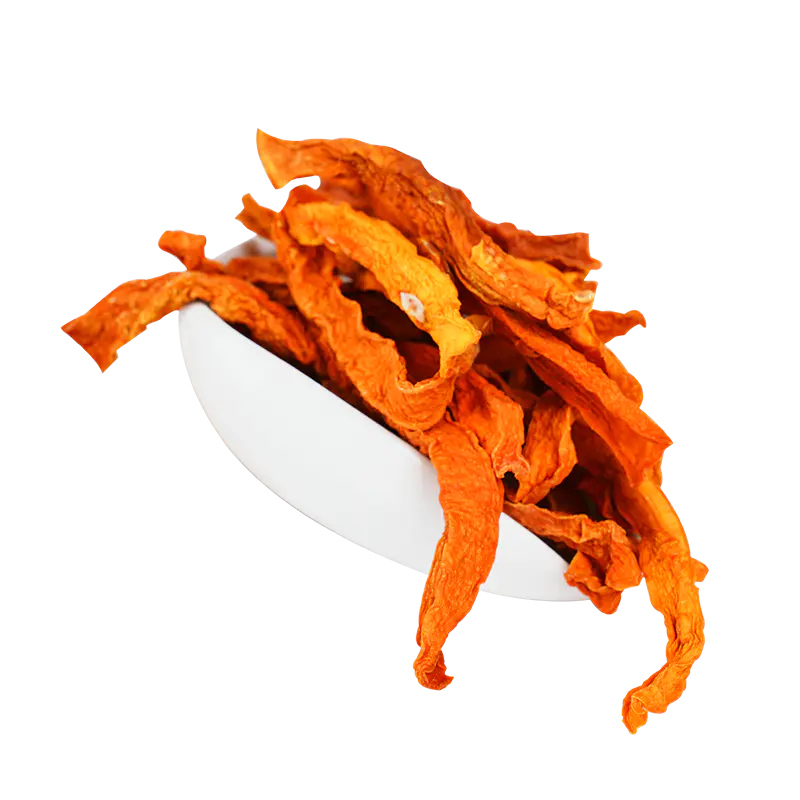
- Capsules and tablets: Single-vegetable powders—such as broccoli, pumpkin, or purple sweet potato—compressed or encapsulated for targeted nutrient delivery.
- Functional beverages: Beetroot powder for nitric oxide support, tomato powder for lycopene, and carrot powder for beta-carotene are all well-established in the sports nutrition and general wellness beverage segments.
- Meal replacement powders: Vegetable powders contribute fiber and micronutrients to balanced meal formulas, helping brands achieve cleaner Supplement Facts panels.
Beyond supplements, the same powders move across the full range of dehydrated vegetables into soups, seasonings, instant noodle packets, and bakery applications—giving B2B buyers the flexibility to consolidate sourcing across multiple product lines with a single supplier. Complementary ingredients like spice powders for seasoning and supplement blending can also be sourced from the same factory, reducing supplier management complexity.
What B2B Buyers Should Look for in a Bulk Vegetable Powder Supplier
Sourcing bulk vegetable powder for supplement applications requires a more rigorous evaluation than general food ingredient procurement. The end product will be consumed in concentrated form by health-conscious consumers, which means contaminant risk tolerance is essentially zero. Here are the dimensions that matter:
- Certifications: At minimum, look for ISO 22000 or FSSC 22000 food safety certification, HACCP compliance, and—where relevant for your market—USDA Organic or EU Organic credentials. These are not marketing badges; they represent audited process controls.
- Heavy metal and pesticide testing: Reputable suppliers will provide batch-level COA (Certificate of Analysis) data covering heavy metals (lead, cadmium, arsenic) and pesticide residue levels. Ask for this upfront.
- Traceability: Know where the raw vegetables originate. Suppliers with their own cultivation base or established long-term grower contracts offer better traceability than those aggregating from spot markets.
- Custom specifications: Particle size, moisture content, color grade, and mesh size may all need to align with your manufacturing equipment. A capable supplier will accommodate spec sheets rather than offering one-size-fits-all product.
- MOQ and lead time: Bulk pricing structures vary widely. Understand the minimum order quantities at each price tier and ensure lead times align with your production cycle.
Explore our custom manufacturing services for food and supplement brands and review our quality certifications and factory standards to understand how we meet these requirements.
Why Wholesale Vegetable Powder from a Dedicated Factory Matters
There is a meaningful difference between buying wholesale vegetable powder from a trading company and sourcing directly from a dedicated manufacturing facility. Trading companies aggregate product from multiple producers, which introduces variability in quality, packaging, and traceability between orders. A factory with its own production line controls every variable—raw material intake, drying parameters, grinding mesh, moisture testing—and can guarantee consistency across repeat orders.
For supplement brands, batch-to-batch consistency is not a preference; it is a regulatory and commercial requirement. Your Supplement Facts panel commits to specific nutrient ranges. Your manufacturing process is calibrated to specific particle sizes and flow characteristics. An inconsistent powder supply creates downstream problems that are expensive to fix.
Xinghua Vegetable Foods Co., Ltd. operates a dedicated dehydrated vegetable and powder manufacturing facility in Xinghua City, China, with over 133 hectares of controlled cultivation base. This vertical integration—from field to powder—is what enables stable supply, consistent quality, and competitive pricing for wholesale buyers globally. Whether you need 500 kg trial quantities or multi-tonne recurring orders, direct factory sourcing is the more reliable path for serious supplement brands.
 Previous

 Xinqian Village (Dehydrated Fruit and Vegetable Industrial Park), Duotian Street, Xinghua City, Taizhou City, Jiangsu Province, China
 +86-13852647168
