

 English
 中文简体
中文简体Plant-based eating has moved from lifestyle choice to mainstream purchasing behavior — and nowhere is that shift more visible than in the soup and convenience food aisle. Vegetable broth powder, once a niche pantry staple, is now a staple ingredient across ready meals, instant soups, seasoning blends, and food service bases. The global vegetable broth market was valued at $4.8 billion in 2025 and is projected to reach $8.1 billion by 2034, growing at a CAGR of 6.0%. Behind that growth sits a single ingredient category that makes it possible at scale: dehydrated vegetable powder.
For food manufacturers sourcing in volume, understanding what makes dehydrated vegetable powder perform — and what separates a reliable supplier from an inconsistent one — is the practical foundation of product quality in this fast-growing segment.
Content
Vegetable Broth Powder and the Rise of Plant-Based Convenience
The demand for vegetable broth powder is being driven by several converging trends that show no sign of reversing. Consumer interest in plant-based nutrition has expanded well beyond vegan and vegetarian demographics — flexitarian eating patterns now account for a significant share of purchasing decisions in developed markets, and vegetable-based broths and soups sit squarely in the center of that shift.
Clean label pressure is reinforcing this trend. Consumers and retail buyers alike are pushing for broth and soup products with short, recognizable ingredient lists — no artificial flavor enhancers, no synthetic preservatives, no ingredients that require explanation. Dehydrated vegetable powder, when sourced from single-origin vegetables without additives, satisfies that demand naturally. A label that reads "dehydrated carrot powder, dehydrated celery powder, dehydrated onion powder" communicates exactly what it is.
Convenience format innovation is the third driver. Instant soups, cup noodle seasonings, ready meal sauce bases, and food service stock powders all depend on ingredients that dissolve quickly, deliver consistent flavor, and survive ambient storage for 12 months or more. Liquid broths cannot meet those requirements. Concentrated pastes introduce cold chain complexity. Dehydrated vegetable powder — lightweight, shelf-stable, and precisely measurable — is the format that makes plant-based convenience food operationally viable at scale.
How Dehydrated Vegetable Powder Becomes the Core of Broth Formulations
Vegetable broth powder is not a single ingredient — it is a blend, and dehydrated vegetable powder is its primary building block. Understanding which vegetable powders contribute what to a broth formulation helps manufacturers specify their sourcing requirements precisely.
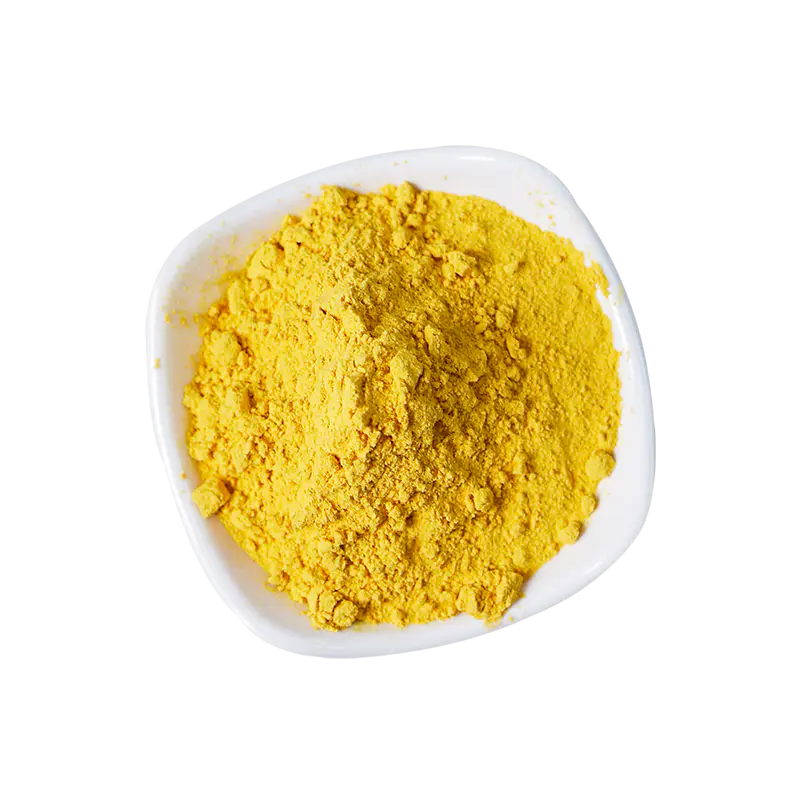
Onion powder and garlic powder provide the savory, sulfur-forward base notes that give broth its characteristic depth. Carrot powder contributes mild sweetness and natural color — the golden-amber tone associated with quality broth comes largely from carotenoids retained in well-processed carrot powder. Celery powder adds aromatic complexity and a subtle bitterness that balances sweetness. Tomato powder introduces umami and acidity, particularly valuable in Mediterranean and Italian-style formulations. Mushroom powder — though technically a fungi-derived ingredient rather than a vegetable powder — is increasingly included in premium broth blends for its concentrated umami profile.
Each of these contributions depends on the powder retaining its volatile flavor compounds, natural color pigments, and soluble nutrient content through the drying and grinding process. A vegetable powder that has been over-dried, stored for too long before processing, or ground at temperatures that volatilize essential oils will produce broth that tastes flat and looks dull — regardless of what the formulation specifies. Explore the dehydrated vegetable powder products for industrial use that serve as the foundation for broth and soup formulations.
The fiber, essential minerals, and heat-stable vitamins present in well-produced vegetable powder add a nutritional dimension to broth formulations that liquid broths — often made from dilute extracts — struggle to match. This is a commercially relevant difference for brands positioning their products on nutrition grounds, particularly in the health supplement and functional food segments where ingredient density matters.
What Manufacturers Require: Specification and Consistency
For food manufacturers producing broth powder at volume, the technical requirements of dehydrated vegetable powder go well beyond flavor and color. Three specification areas determine whether a supplier relationship works in practice.
Particle size and solubility. Broth powder dissolves in hot water — the vegetable powder components need to disperse evenly without clumping or leaving visible particulate. Powder that is too coarse creates texture issues in the finished broth; powder with inconsistent particle distribution causes density variation in dry blending, which affects flavor consistency across packaging units. Standard mesh specifications for broth applications typically run from 60 to 100 mesh, with finer grades used for instant formats where rapid dissolution is critical.
Moisture content and caking behavior. Vegetable powders are hygroscopic — they absorb ambient moisture readily, which causes clumping and accelerates flavor degradation. Suppliers who deliver powder at consistently low moisture levels (typically below 6%) and package appropriately for the destination climate reduce the quality risk that manufacturers carry through their own production and storage cycle. Inconsistent moisture across batches is one of the most common sourcing problems in this category and one of the hardest to manage once product has entered the production line.
Microbiological compliance. Vegetable powders destined for broth and soup applications often go into products consumed without further cooking — instant soups, cup broths, and cold-mixed seasoning blends. This places the microbiological burden squarely on the ingredient. Suppliers with documented pathogen testing protocols, validated decontamination steps, and traceable raw material sourcing are not a premium option in this context — they are the baseline requirement for regulatory compliance in most export markets.
Beyond Broth: The Broader Value of Dehydrated Vegetable Powder
The same properties that make dehydrated vegetable powder effective in broth formulations make it valuable across a wider range of food manufacturing applications — and sourcing it well opens options across multiple product categories simultaneously.
In snack seasoning, vegetable powders contribute both flavor and natural color to coating blends. Tomato powder and paprika powder provide the red tones associated with intense flavor cues; spinach and kale powders deliver green visual signals that support healthy positioning. In sauce and condiment manufacturing, vegetable powders extend flavor complexity without introducing the water activity concerns that fresh or paste-form ingredients create. In ready meals, they serve as both a flavoring component and a thickener — soluble fiber from vegetable powder contributes body to sauces during reheating, reducing the need for starch-based thickeners.
Health supplement applications represent a growing end market that places premium value on ingredient quality. Vegetable powder blends used in greens supplements, meal replacement shakes, and functional nutrition products are evaluated against tight specifications for nutrient retention, heavy metal limits, and additive-free sourcing — requirements that align closely with the clean label standards already operating in the food manufacturing segment. The full range of dehydrated vegetable ingredients available in both whole and powder formats supports formulation flexibility across all of these categories.
For manufacturers developing new products or scaling existing lines across soups, broths, seasonings, and functional foods, working with a supplier who can provide specification-aligned vegetable powders across multiple SKUs — with consistent quality documentation and the ability to support custom blending — reduces sourcing complexity and accelerates product development timelines. Custom manufacturing and blending services that combine individual vegetable powders into finished seasoning systems allow brands to source a complete ingredient solution rather than managing multiple raw material streams independently.
 Previous

 Xinqian Village (Dehydrated Fruit and Vegetable Industrial Park), Duotian Street, Xinghua City, Taizhou City, Jiangsu Province, China
 +86-13852647168
