

 English
 中文简体
中文简体Content
- 1 What Are Dehydrated Potatoes and Why They Matter
- 2 How Dehydrated Potatoes Are Made
- 3 Product Forms and Their Best Applications
- 4 Nutritional Value Compared to Fresh Potatoes
- 5 Dehydrated Potatoes in the Context of Dehydrated Vegetables
- 6 Industrial and Specialty Applications
- 7 Storage Best Practices and Shelf Life Expectations
What Are Dehydrated Potatoes and Why They Matter
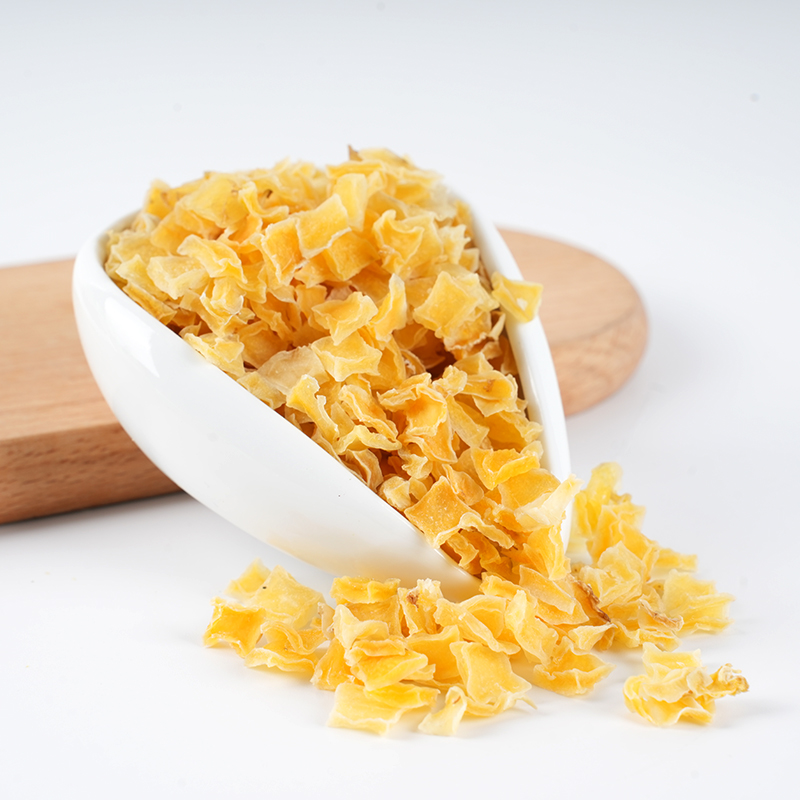
Dehydrated potatoes are one of the most commercially significant products within the broader category of dehydrated vegetables. Produced by removing the majority of moisture from fresh potatoes through controlled drying processes, they retain the carbohydrate content, fiber, potassium, and a meaningful portion of the vitamins found in fresh tubers, while gaining the critical advantages of dramatically extended shelf life, reduced weight, and ease of storage. Fresh potatoes contain roughly 79 percent water by weight, meaning that dehydration concentrates the remaining dry matter into a dense, stable product that can last one to three years under proper storage conditions without refrigeration or preservatives.
For consumers, dehydrated potatoes translate into faster meal preparation, less food waste, and reliable pantry backup. For food manufacturers, they provide a consistent, year-round ingredient supply that is unaffected by harvest seasonality, price volatility, or the logistical challenges of transporting fresh produce over long distances. The result is a staple ingredient used across home kitchens, industrial food production, military ration programs, food service operations, and outdoor recreation markets worldwide.
How Dehydrated Potatoes Are Made
The production of dehydrated potatoes begins with selecting appropriate potato varieties — typically those with high solids content and low sugar levels, such as Russet Burbank or Shepody, which produce better texture and color in the finished product. After washing and peeling, the potatoes are sliced, diced, shredded, or cooked and riced depending on the target product form. A blanching step follows, where the prepared potato pieces are briefly immersed in hot water or steam to inactivate polyphenol oxidase enzymes that would otherwise cause browning during drying and storage.
Some operations apply a brief sulfite treatment — typically sodium bisulfite — to further inhibit enzymatic browning and extend color stability in the finished dehydrated product. This step is standard in commercial production but is clearly labeled on packaging for consumers with sulfite sensitivities. The prepared potato material then enters the drying phase, where moisture is reduced to below 8 percent for slices and flakes, and below 6 percent for granules and powder. After drying, the product is screened for particle size consistency, inspected for defects, and packaged in moisture-barrier materials to protect against rehydration during storage.
Drum Drying for Flakes and Mashed Formats
Potato flakes — the form most familiar to consumers as instant mashed potato — are primarily produced through drum drying. In this process, cooked, mashed potato is spread as a thin film onto large heated rotating drums. As the drums rotate, the film dries rapidly and is scraped off as thin, irregular flakes. Drum drying is fast and cost-effective, but the high surface temperatures involved cause some starch gelatinization and cell rupture, which affects the texture of the rehydrated product. Properly drum-dried potato flakes rehydrate in boiling water within one to two minutes, making them one of the fastest-reconstituting dehydrated vegetable products available.
Hot Air Drying for Diced and Sliced Forms
Diced and sliced dehydrated potatoes are most commonly produced using belt or tunnel hot air dryers, where pieces pass through controlled temperature and airflow zones over several hours. This method preserves more of the cell structure than drum drying, resulting in pieces that rehydrate with a firmer, more distinct texture suitable for soups, stews, and hash-style dishes. Operating temperatures typically range from 60°C to 80°C, balancing moisture removal efficiency against vitamin retention and color quality.
Product Forms and Their Best Applications
Dehydrated potatoes are available in several distinct formats, each optimized for different end uses. Selecting the right form for the intended application ensures the best texture, flavor, and performance outcome.
| Product Form | Moisture Content | Rehydration Time | Primary Applications |
| Potato Flakes | ≤8% | 1–2 minutes | Instant mashed potatoes, soup thickening, snack coatings |
| Potato Granules | ≤6% | 2–3 minutes | Mashed potato mixes, extruded snacks, baby food |
| Diced Potatoes | ≤7% | 8–12 minutes | Soups, stews, ready meals, hash dishes |
| Sliced Potatoes | ≤7% | 10–15 minutes | Casseroles, gratin-style dishes, camping meals |
| Potato Powder | ≤5% | Instant | Sauce thickeners, snack seasonings, bakery fillers |
Nutritional Value Compared to Fresh Potatoes
Understanding the nutritional differences between dehydrated potatoes and their fresh counterparts helps consumers and formulators make informed choices. Because dehydration removes water without significantly affecting the dry matter composition, dehydrated potatoes are actually more nutrient-dense per gram than fresh potatoes on most measures — though comparisons are more meaningful on a prepared, equal-weight basis.
Potassium, one of the most nutritionally important minerals in potatoes, is well-retained through dehydration because it is heat-stable and not lost through moisture removal alone. A serving of rehydrated potato flakes provides a potassium level comparable to a similar serving of boiled fresh potato. Dietary fiber, which supports digestive health and satiety, is also fully preserved. The starch content — the primary energy source in potatoes — remains intact, though drum drying causes some starch gelatinization that slightly alters digestibility compared to raw starch.
Vitamin C is the most significant nutritional casualty of potato dehydration, as it degrades under the heat and oxidative conditions of drying. Fresh potatoes are a meaningful source of vitamin C, but dehydrated potatoes retain only a fraction of this content. Vitamin B6, while also partially heat-sensitive, survives dehydration better than vitamin C and remains present at nutritionally relevant levels in most dehydrated potato products. For applications where vitamin C is a priority, fortification of the finished product is a common industry practice.
Dehydrated Potatoes in the Context of Dehydrated Vegetables
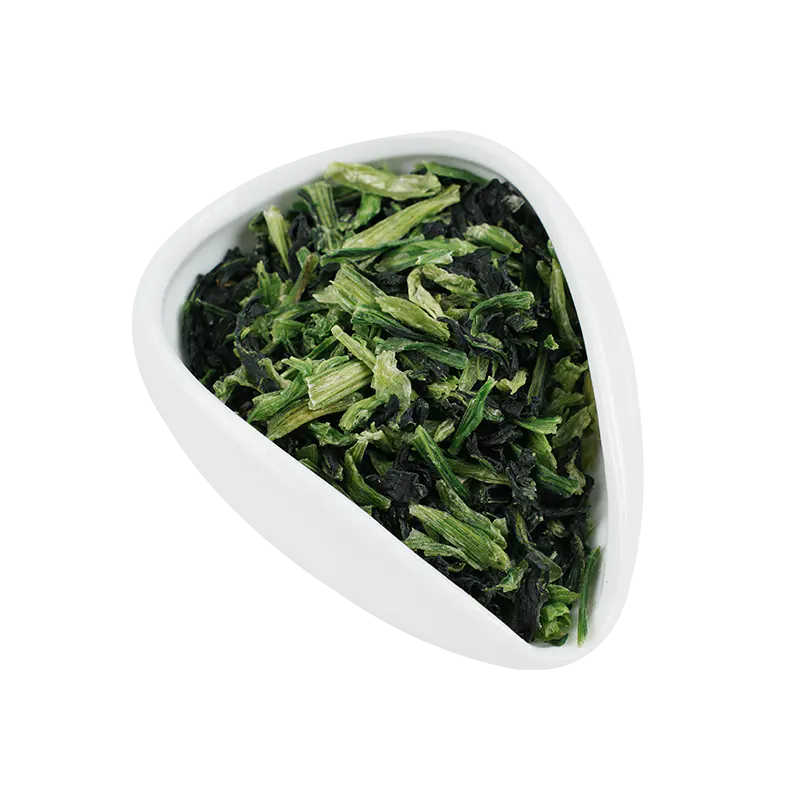
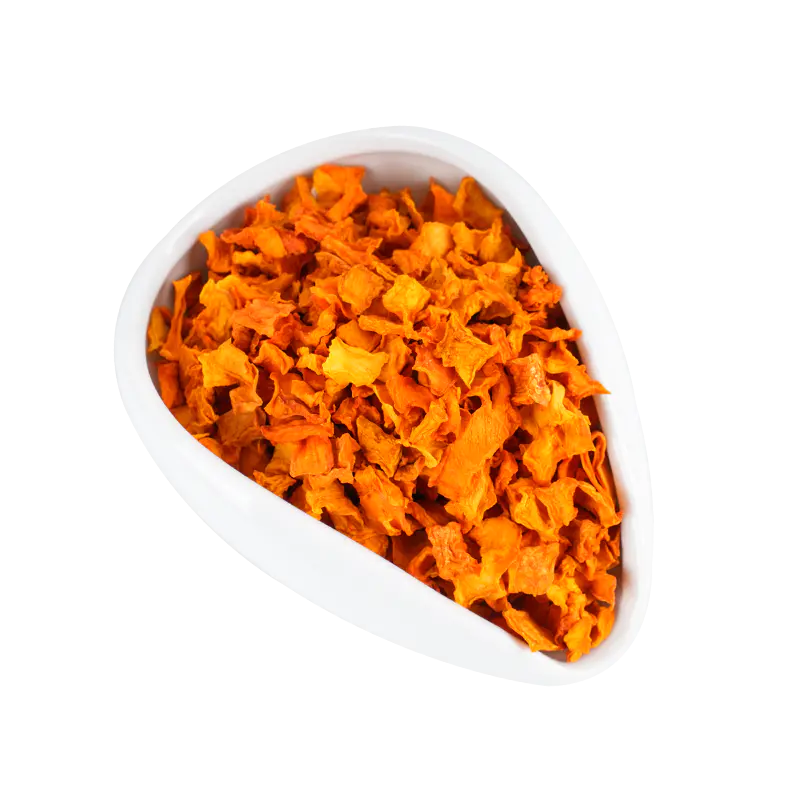
Potatoes occupy a unique position within the world of dehydrated vegetables because of their high starch content, which distinguishes them functionally from most other dehydrated vegetable categories. While dehydrated vegetables such as carrots, peas, spinach, and tomatoes are primarily used for flavor, color, and micronutrient contribution, dehydrated potatoes serve a dual role — providing both functional bulk and thickening properties in addition to flavor and nutrition. This makes them one of the most versatile and widely used dehydrated vegetable ingredients in both retail and industrial contexts.
In mixed dehydrated vegetable blends used for instant soups and stews, diced dehydrated potatoes are frequently included alongside carrots, onions, and celery to provide a hearty, filling component that rehydrates into recognizable pieces. Potato flakes and granules are also used as a binding and texturizing ingredient in vegetable-based patties and fritters, where they absorb moisture from other vegetables and help the product hold its shape during cooking.
Industrial and Specialty Applications
The food manufacturing industry uses dehydrated potatoes across a surprisingly wide range of product categories, well beyond the familiar instant mashed potato format.
- Snack manufacturing: Potato flakes and granules are a primary raw material in fabricated potato chips and stackable crisps. The dehydrated potato base is mixed with water and other ingredients, sheeted, cut, and fried or baked to produce a consistent product with controlled thickness and texture impossible to achieve with fresh sliced potatoes.
- Military and emergency rations: Dehydrated potatoes in flake or granule form are a standard component of military Meals Ready to Eat (MREs) and emergency food supply kits. Their long shelf life, high caloric density, and fast rehydration make them an ideal carbohydrate source in field conditions where cooking resources are limited.
- Camping and outdoor food: Freeze-dried dehydrated potato products, including slices and hash-style shreds, are popular in backpacking meal kits where lightweight packaging and rapid preparation are essential. These products rehydrate within minutes in hot water, providing a warm, satisfying meal component with minimal fuel consumption.
- Bakery and pasta applications: Potato powder and fine potato granules are incorporated into bread, rolls, and pasta formulations to improve moisture retention, extend softness, and add a subtle potato flavor. In gluten-free product development, potato-based ingredients contribute structure and binding properties that help compensate for the absence of gluten.
- Baby and toddler food: Ultra-fine potato granules meeting strict heavy metal and pesticide residue standards are used in infant cereal blends and puree-style baby foods, where their mild flavor, easy digestibility, and smooth texture make them a well-tolerated first food ingredient.
Storage Best Practices and Shelf Life Expectations
Properly stored dehydrated potatoes can maintain acceptable quality for one to three years depending on the product form and packaging type. The key enemies of quality during storage are moisture reabsorption, oxygen exposure, and temperature fluctuations. Potato flakes and granules are particularly sensitive to humidity because their fine particle structure presents a large surface area that readily absorbs atmospheric moisture, leading to clumping, off-flavor development, and accelerated starch degradation.
For long-term home storage, dehydrated potatoes should be kept in airtight containers with oxygen absorbers to eliminate residual oxygen from the sealed environment. Mylar bags with oxygen absorbers sealed inside food-grade buckets are a common choice for emergency food storage applications, achieving shelf lives of five years or more under cool, stable conditions. For everyday pantry use, smaller airtight containers stored in a cool, dark cupboard away from the stove are sufficient to maintain quality for the product's stated shelf life. Commercial buyers should look for nitrogen-flushed or vacuum-sealed packaging in moisture-barrier multilayer bags, along with supplier documentation confirming moisture content and water activity values at time of packaging to ensure the product meets stability requirements throughout its distribution and shelf life cycle.
 Previous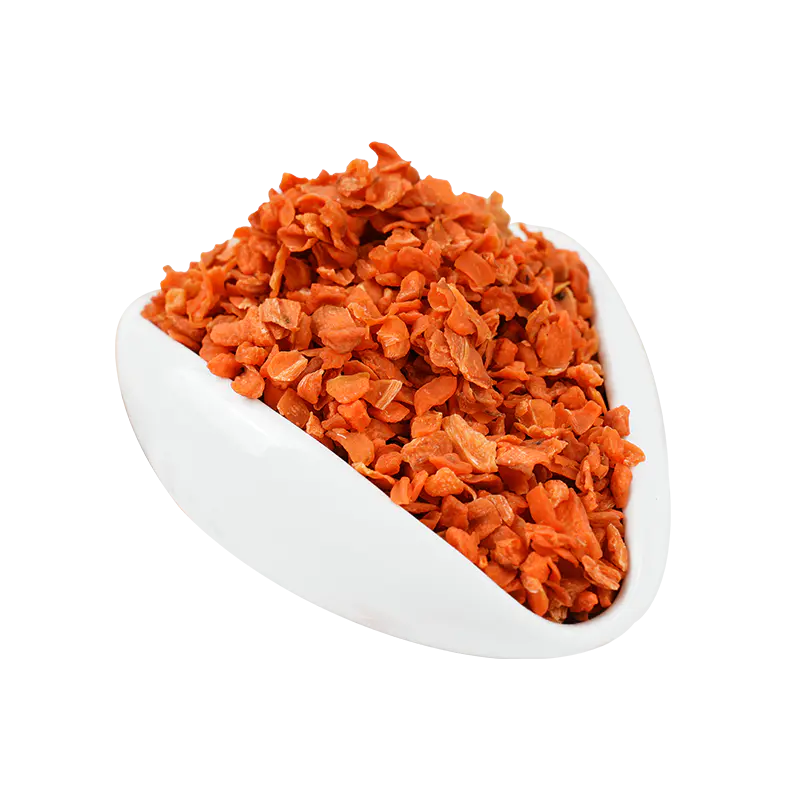

 Xinqian Village (Dehydrated Fruit and Vegetable Industrial Park), Duotian Street, Xinghua City, Taizhou City, Jiangsu Province, China
 +86-13852647168
