

 English
 中文简体
中文简体Content
- 1 What Makes White Pepper Different from Other Spice Powders
- 2 How White Pepper Powder Is Produced
- 3 Flavor Profile and Piperine Content
- 4 Culinary Applications Across Cuisines
- 5 White Pepper vs. Black Pepper: A Practical Comparison
- 6
- 7 Health Properties of White Pepper as a Spice Powder
- 8 Quality Standards and What to Look for When Buying
- 9 Storage Recommendations to Preserve Potency
What Makes White Pepper Different from Other Spice Powders
White pepper is derived from the same plant as black pepper — Piper nigrum — but undergoes a distinct processing method that fundamentally changes its flavor profile, appearance, and culinary behavior. To produce white pepper, fully ripe pepper berries are soaked in water for several days, a process called retting, which loosens and removes the outer dark skin. What remains is the inner seed, which is then dried and ground into white pepper powder. The removal of the outer husk strips away certain volatile compounds responsible for black pepper's sharp, piney bite, resulting in a spice that is hotter in terms of piperine concentration but smoother and more earthy in overall flavor.
This distinction matters practically in the kitchen and in food manufacturing. White pepper powder integrates invisibly into light-colored dishes — cream sauces, white gravies, pale soups, and mashed potatoes — without the dark speckling that black pepper would leave behind. For food processors producing visually consistent products, this characteristic alone makes white pepper powder a preferred spice powder over its black counterpart in specific formulations.
How White Pepper Powder Is Produced
The production of white pepper powder follows a carefully controlled sequence from harvest to packaging. Understanding this process helps buyers and formulators assess quality differences across suppliers and product grades.
Harvesting and Retting
Pepper berries intended for white pepper are harvested at full ripeness, when the fruit has turned red or yellow. Ripe berries contain higher piperine levels than green berries harvested for black pepper. After harvesting, the berries are soaked in slow-moving water, often in streams or tanks, for seven to fourteen days. This controlled fermentation-like process softens the pericarp — the outer fruit layer — allowing it to be rubbed away cleanly. The quality of this stage directly influences the cleanliness, color uniformity, and residual microbial load of the final product.
Drying and Milling
Once the outer husk is removed, the pale seeds are sun-dried or mechanically dried to reduce moisture content to below 13%, the threshold required for safe long-term storage and to prevent mold growth. The dried seeds are then milled using hammer mills, roller mills, or pin mills to achieve a consistent particle size. Finer grinds are preferred for industrial spice powder applications where smooth texture in sauces or emulsions is critical, while slightly coarser grinds may be used in table condiments or dry rubs where a mild texture is acceptable.
Flavor Profile and Piperine Content
The dominant bioactive compound in white pepper is piperine, an alkaloid responsible for the characteristic pungent heat associated with pepper in general. Because white pepper retains the inner seed where piperine is most concentrated, its heat can be more intense and longer-lasting than black pepper on a gram-for-gram basis. However, the absence of the outer husk means white pepper lacks the terpene compounds — such as sabinene and limonene — that give black pepper its complex, citrusy, and resinous aromatic top notes.
The result is a spice with a cleaner, more linear heat: warm and slightly musty, with subtle fermented or earthy undertones that develop during the retting process. This profile pairs exceptionally well with dairy-based dishes, light broths, eggs, and seafood, where the goal is to add warmth without competing with delicate flavors. In contrast, robust meat-based dishes or heavily spiced marinades may benefit more from black pepper's aromatic complexity.
Culinary Applications Across Cuisines
White pepper powder plays a central role in numerous culinary traditions worldwide, often preferred where subtlety and visual cleanliness are priorities. Its applications span professional kitchens, home cooking, and large-scale food production.
- French cuisine: Classic béchamel, velouté, and cream-based sauces rely on white pepper powder to provide background heat without disrupting the sauce's pale color or refined appearance.
- Chinese cooking: White pepper is a cornerstone seasoning in hot and sour soup, wonton fillings, and braised pork dishes, where its earthy heat complements soy-based and vinegar-forward flavor profiles.
- Scandinavian food: White pepper features prominently in cured fish preparations, meatballs, and pickled dishes, where its clean heat balances the richness of fats and the acidity of brines.
- South and Southeast Asian dishes: Ground white pepper is used in Vietnamese pho broth, Thai stir-fries, and Indian cream-based gravies to add depth without the visual contrast of black pepper flecks.
- Processed food industry: White pepper powder is a standard ingredient in sausage blends, instant noodle seasoning packets, cream soups, and ready meals where color consistency and controlled heat intensity are production requirements.
White Pepper vs. Black Pepper: A Practical Comparison
Choosing between white and black pepper is not simply a matter of preference — it depends on the specific application's flavor, visual, and functional requirements. The table below outlines the key differences to assist in making informed selections:
| Attribute | White Pepper Powder | Black Pepper Powder |
| Flavor | Earthy, clean, linear heat | Complex, aromatic, piney |
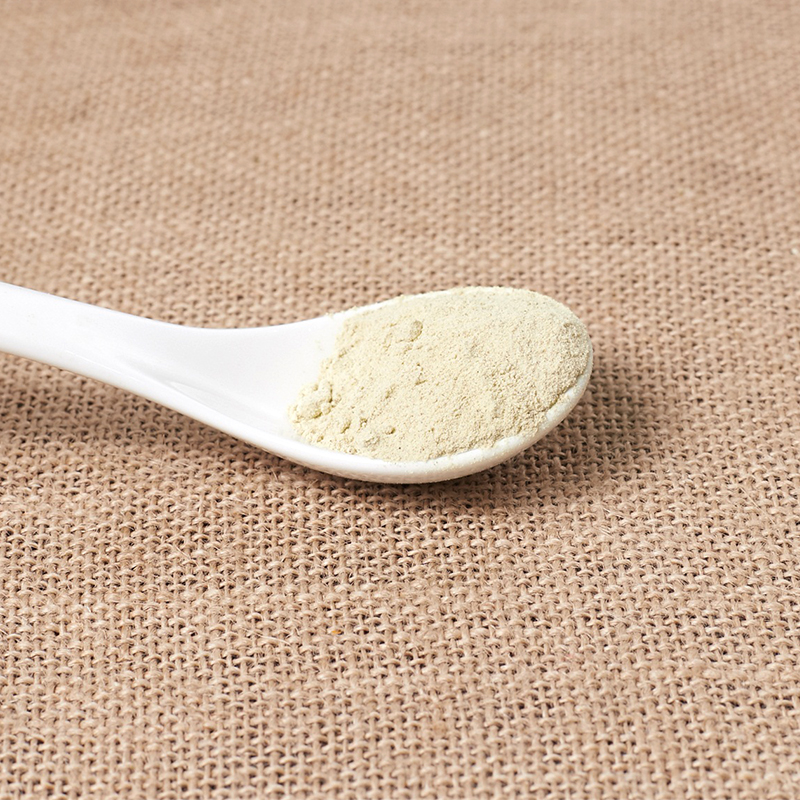
| Appearance | Cream to off-white | Dark gray to black |
| Best Use | Light sauces, soups, pale dishes | Grilled meats, robust stews |
| Piperine Level | Higher concentration | Slightly lower |
| Aromatic Complexity | Lower | Higher |
| Visual Impact in Dish | Minimal — blends in | Visible specks |
Health Properties of White Pepper as a Spice Powder
Like many concentrated spice powders, white pepper powder delivers more than flavor — it carries a meaningful concentration of bioactive compounds with documented health associations. Piperine, the primary alkaloid, has been studied for its role in enhancing the bioavailability of other nutrients, particularly curcumin from turmeric. When consumed together, piperine inhibits the metabolic breakdown of curcumin in the gut, increasing its absorption rate significantly. This synergy is why many turmeric-based supplements include a standardized black or white pepper extract.
Beyond bioavailability enhancement, piperine demonstrates antioxidant activity by scavenging free radicals and may support digestive function by stimulating the secretion of digestive enzymes. White pepper also contains small but measurable amounts of essential minerals including manganese, iron, and potassium, which contribute to overall nutritional value when the spice is used regularly in cooking. While no single spice powder should be considered a health treatment, the cumulative benefit of consistently using spices like white pepper in a varied diet is well supported by nutritional research.
Quality Standards and What to Look for When Buying
The quality of white pepper powder varies considerably across producers and supply regions. Vietnam, Indonesia, India, and Brazil are among the world's leading producers, each offering distinct quality profiles based on local growing conditions, retting practices, and post-harvest handling. When sourcing white pepper powder — whether as a consumer or food manufacturer — the following quality indicators are most relevant:
- Color uniformity: High-grade white pepper powder should be consistently cream or off-white, without gray or brown patches that indicate incomplete husk removal or oxidative damage during storage.
- Piperine content: Premium grades typically specify piperine levels between 4% and 7%. Industrial buyers should request certificate of analysis (COA) documents confirming piperine concentration.
- Moisture content: Moisture levels above 13% create conditions for mold growth and accelerate flavor degradation. Look for products with clearly stated moisture specifications.
- Microbial load: Food-safe white pepper powder should comply with applicable limits for total plate count, yeast, mold, and the absence of pathogens such as Salmonella and E. coli, particularly for ready-to-use spice powder applications.
- Particle size consistency: Defined mesh sizes — such as 40 mesh for standard culinary use or 80 mesh for fine industrial applications — ensure predictable performance in recipes and manufacturing processes.
Storage Recommendations to Preserve Potency
White pepper powder is more susceptible to flavor loss through oxidation than whole white pepper, because grinding dramatically increases the surface area exposed to air. To preserve the heat intensity and aromatic character of the spice powder, proper storage is essential. Keep white pepper powder in airtight containers made of glass or opaque, moisture-barrier materials. Store away from direct light, heat sources, and humidity — conditions that accelerate the breakdown of piperine and volatile oils. Under optimal storage conditions at room temperature, white pepper powder retains its potency for twelve to twenty-four months. For bulk industrial quantities, nitrogen-flushed packaging significantly extends shelf life by eliminating oxygen contact. Purchasing in smaller quantities more frequently is advisable for home cooks who want consistently fresh, pungent flavor rather than a large supply that gradually loses its impact over time.
 Previous

 Xinqian Village (Dehydrated Fruit and Vegetable Industrial Park), Duotian Street, Xinghua City, Taizhou City, Jiangsu Province, China
 +86-13852647168
