

 English
 中文简体
中文简体Content
What Is Dehydrated Vegetable Powder?
Dehydrated vegetable powder is produced by removing moisture from fresh vegetables through controlled drying methods, then milling the dried material into a fine, uniform powder. The result is a concentrated ingredient that retains much of the original vegetable's color, aroma, fiber, and nutritional profile. Because water activity is reduced to a very low level, microbial growth is inhibited and shelf life extends significantly — often two to three years when stored correctly. The powder is lightweight, easy to measure, and dissolves or disperses readily into liquid or dry formulations, making it exceptionally versatile for both industrial food production and home cooking.
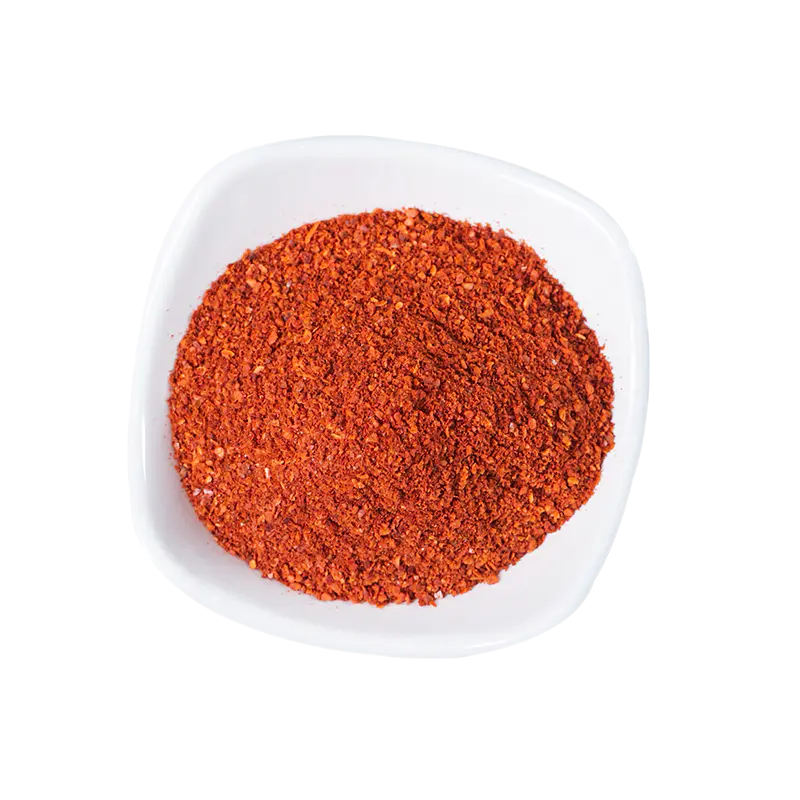
Among the many varieties available, dehydrated chili powder stands out as one of the most commercially significant. Derived from dried and ground chili peppers, it delivers heat, color, and depth of flavor in a stable, consistent form. Whether used as a standalone spice or blended into compound seasonings, dehydrated chili powder is a foundational ingredient across global cuisines and processed food categories alike.
The Science Behind Dehydrating Chili Peppers
Dehydrating chili peppers is both a preservation technique and a flavor transformation process. When fresh chilies are subjected to heat or airflow, free water evaporates first, followed by bound moisture within the cell walls. This gradual moisture loss concentrates the capsaicin compounds responsible for heat, the carotenoids that produce red and orange pigmentation, and the volatile aromatic compounds that define each variety's unique scent profile.
Temperature control during drying is critical. Excessively high temperatures can degrade capsaicin, bleach pigments, and destroy heat-sensitive vitamins such as vitamin C. Most commercial operations target drying temperatures between 55°C and 75°C, balancing throughput efficiency against quality retention. At these ranges, the Maillard reaction is minimal, meaning the powder maintains a bright, natural color rather than developing a cooked or caramelized appearance.
After drying, the peppers are milled using hammer mills or pin mills to achieve the target particle size. Finer grinds dissolve more easily in liquids and provide smoother textures in sauces, while coarser grinds deliver visible flecks and a more rustic appearance in dry rubs and seasonings.
Key Drying Methods Compared
The method used for dehydrating vegetables directly influences the final powder's quality, cost, and application suitability. Below is a comparison of the most common industrial techniques:
| Method | Temperature Range | Nutrient Retention | Best For |
| Hot Air Drying | 55–75°C | Moderate | High-volume, cost-sensitive products |
| Spray Drying | 150–200°C (brief) | Moderate to High | Liquid extracts, instant beverages |
| Freeze Drying | Below 0°C (vacuum) | Highest | Premium supplements, sensitive nutrients |
| Drum Drying | 120–160°C | Moderate | Purees, starchy vegetables |
For dehydrated chili powder specifically, hot air drying remains the dominant commercial choice due to its scalability and the inherent stability of capsaicin under moderate heat. Freeze drying is increasingly used for premium chili products where maximum aroma retention is a marketing differentiator.
Nutritional Value Worth Knowing
One of the most compelling arguments for using dehydrated vegetable powder is its nutritional density. Because moisture has been removed, the remaining dry mass contains a higher concentration of many nutrients per gram compared to fresh vegetables. Key nutritional components typically preserved include:
- Dietary fiber: Drying preserves both soluble and insoluble fiber, supporting digestive health and satiety in formulated products.
- Minerals: Potassium, magnesium, calcium, and iron are heat-stable and well-retained across most drying methods.
- Carotenoids: Beta-carotene and lycopene — abundant in red chili peppers and tomatoes — survive drying effectively and act as natural colorants in food applications.
- Capsaicin: The active compound in chili peppers associated with metabolism support and anti-inflammatory properties is concentrated and stable in dehydrated chili powder.
- Polyphenols and antioxidants: Depending on drying temperature, a meaningful portion of antioxidant activity is preserved, contributing functional health value to finished products.
Vitamin C is the primary exception — it degrades significantly under heat. For applications where vitamin C content is a priority, freeze-dried powders or low-temperature processing are the preferred approach.
Industrial and Culinary Applications
The practical uses of dehydrated vegetable powder span a remarkably wide range of industries. Its ability to add flavor, color, and nutrition without introducing moisture makes it an ideal ingredient in formulations where water content must be carefully controlled.
Food Manufacturing
Snack seasoning blends rely heavily on dehydrated chili powder and other vegetable powders to deliver consistent taste across large production batches. Instant noodle flavor packets, chip seasonings, and popcorn coatings are typical applications. In processed meats and ready meals, vegetable powders serve as both flavoring agents and natural color enhancers, often replacing synthetic additives in clean-label reformulations.
Soups, Sauces, and Condiments
Powdered vegetables dissolve smoothly into hot liquids, making them ideal for instant soup bases, bouillon powders, and pasta sauces. A single teaspoon of concentrated dehydrated chili powder can replicate the flavor impact of several fresh chilies without adding volume or requiring preparation time. This is especially valuable in commercial sauce production where batch consistency is non-negotiable.
Health Supplements and Functional Foods
Nutraceutical manufacturers incorporate dehydrated vegetable powder into capsules, tablets, and powdered drink mixes targeting consumers seeking convenient ways to increase vegetable intake. Green blends, superfood powders, and meal replacement shakes commonly feature spinach, kale, broccoli, and beetroot powders. Dehydrated chili powder also appears in thermogenic supplement blends due to capsaicin's established association with metabolic activity.
Storage, Shelf Life, and Quality Maintenance
Proper storage is essential to realizing the full shelf life potential of dehydrated vegetable powder. The two primary enemies are moisture reabsorption and oxidation. Exposure to humidity causes clumping, accelerates microbial growth, and degrades flavor compounds. Oxygen exposure, meanwhile, breaks down carotenoids and aromatic volatiles, leading to color fading and flavor loss over time.
Best practices for maintaining powder quality include:
- Store in airtight, moisture-barrier packaging such as foil-lined bags or sealed glass containers.
- Keep in a cool, dark environment away from direct sunlight and heat sources.
- Use nitrogen flushing or oxygen absorbers in bulk packaging to minimize oxidative degradation.
- Avoid repeated opening of large containers; repackage into smaller quantities for daily use.
- Monitor water activity levels during production — a water activity below 0.6 is generally considered safe for long-term stability.
When stored under optimal conditions, most dehydrated vegetable powders — including dehydrated chili powder — maintain acceptable quality for 18 to 36 months. Freeze-dried varieties can exceed this range, sometimes reaching five years or more under proper conditions.
Choosing the Right Powder for Your Application
Not all dehydrated vegetable powders are interchangeable. Selecting the right product requires matching the powder's characteristics to the intended application. Key factors to evaluate include particle size, moisture content, color intensity, heat level (for chili products), solubility, and whether the product has been processed for organic or clean-label certification.
For food manufacturers, working with suppliers who provide standardized specifications — including ASTA color units for chili powder or Scoville heat units for capsaicin content — is essential to maintaining batch-to-batch consistency. For retail consumers and small-scale producers, looking for powders with minimal additives, no artificial preservatives, and clear sourcing information ensures both quality and transparency. Regardless of the end use, dehydrated vegetable powder in its many forms offers a practical, nutrient-rich, and highly adaptable solution to the challenges of flavor delivery, nutrition fortification, and ingredient stability.
 Previous

 Xinqian Village (Dehydrated Fruit and Vegetable Industrial Park), Duotian Street, Xinghua City, Taizhou City, Jiangsu Province, China
 +86-13852647168
