

 English
 中文简体
Twenty minutes in warm water is usually enough to turn a handful of dried shiitake into a weeknight dinner, but only if the soak liquid goes into the pan too. The most useful dried shiitake recipes treat the mushroom in two ways: the cap for texture and the strained soaking water for depth. That habit makes a simple broth taste as if it has simmered longer, gives stir-fries a savory backbone, and keeps braises from tasting flat. Start with whole caps when texture matters and broken pieces for broth or blended sauces. Weigh the mushrooms rather than counting them, because cap sizes vary widely. A practical starting point is 15–20 g of dried shiitake for two generous servings, soaked in 250–300 ml of warm water. The recipes below assume that ratio and adjust from there.
Content
The recipe map: match the method to the mushroom
Before choosing a recipe, decide what the mushroom needs to do. A quick broth wants maximum flavor release and does not care about shape. A stir-fry wants slices that hold their edge. A braise can use thicker caps and stemmy pieces because time will soften them. The table below is a practical starting point for whole, medium-thick caps; thin caps will rehydrate faster, and very thick caps may need another 10 minutes.
| Recipe route | Best cap type | Soak time | What it delivers |
|---|---|---|---|
| Quick broth | Whole or broken caps | 20–30 minutes | Clear, savory base |
| Stir-fry | Thick whole caps | 30 minutes | Meaty slices that hold shape |
| Braise | Thick caps or stemmy pieces | 30–40 minutes | Deep flavor and soft texture |
| Rice or pilaf | Medium caps | 20–30 minutes | Aromatic grains with umami |
Start with the soak, then keep the liquid
Put the dried shiitake in a bowl large enough for them to float, add warm water—not boiling—and weigh them down with a small plate. Boiling water can soften the outside before the center is fully hydrated, and it can drive off some of the aroma. Warm water around 40–50°C is a good middle ground. After 20 minutes, check the thickest cap: it should feel pliable all the way through, with no hard white core. Thick caps can need 30–40 minutes. If you plan ahead, soak in cold water in the refrigerator overnight; the flavor is slightly cleaner, but the difference is smaller than many cooks expect. Lift the mushrooms out rather than pouring the bowl through a strainer, then strain the liquid through a fine sieve or a coffee filter. Grit settles at the bottom, so leave the last tablespoon behind. Cut away the tough stem ends; they can go into a broth bundle if you are straining later. Slice the caps according to the recipe—thin for stir-fries, thick for braises. For more detail on cap quality and soak times, this buying and soaking guide is useful.
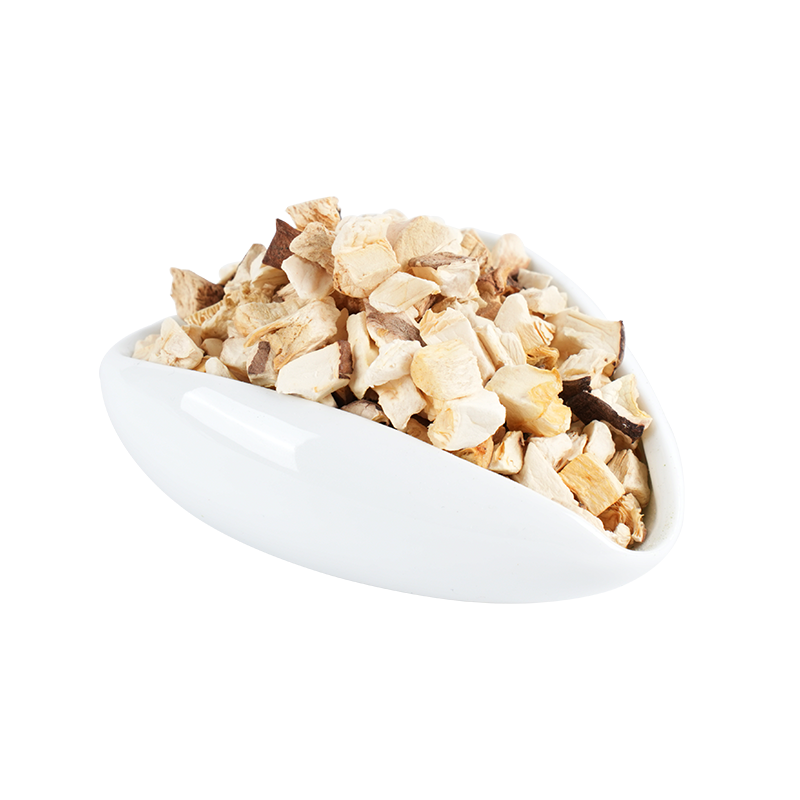 Dried Shiitake Mushrooms for RehydrationA convenient dried mushroom for warm-water soaking, then adding concentrated umami to soups, stir-fries, and braises.View Product →
One more check: smell the soaking water before you use it. It should smell sweet and woody, not musty or sour. If it smells off, discard both the water and the mushrooms. That is a food-safety decision, not a flavor preference.
Four dried shiitake recipes to keep in rotation
1. Twenty-minute shiitake broth
For two servings, soak 15 g dried shiitake in 300 ml warm water. Strain the liquid, slice the caps, and put both in a saucepan with 2 slices ginger, 1 smashed garlic clove, 1 tablespoon soy sauce, and 1 teaspoon rice vinegar. Simmer for 10 minutes, then add 100 g noodles or sliced greens and cook until tender. Taste before adding salt; the soaking liquid and soy sauce are already seasoned. The broth should be savory but not salty, with a clean mushroom finish. If it tastes thin, reduce it for 3–4 minutes rather than adding more soy sauce. This is the fastest route from dried shiitake to a full meal, and it is the one to use when the pantry is nearly empty.
2. Shiitake, broccoli, and garlic stir-fry
Soak 20 g dried shiitake for 30 minutes, then slice the caps 5 mm thick. Heat a wide pan over high heat, add 1 tablespoon neutral oil, and sear the mushrooms until their edges darken. Add 200 g broccoli florets and 2 minced garlic cloves; stir-fry for 2 minutes. Mix 1 tablespoon soy sauce, 1 teaspoon cornstarch, 1 teaspoon sugar, and 3 tablespoons strained soaking water, then pour it in and toss until glossy. The cornstarch should coat the vegetables lightly, not form a heavy sauce. If the pan looks dry, add soaking water one tablespoon at a time. Serve over rice. The mushrooms should stay firm and slightly springy; if they turn soft, the pan was too cool or the soak went too long. If fresh garlic is not on hand, 1/2 teaspoon dehydrated garlic powder can replace it in the sauce.
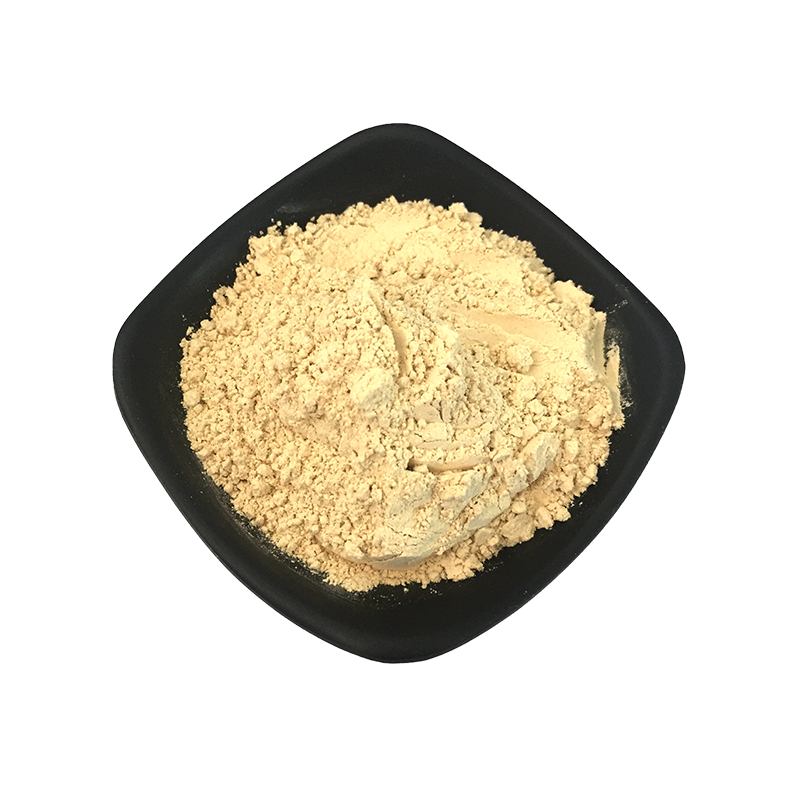 Dehydrated Garlic Powder for Pantry CookingA finely ground dried garlic that seasons sauces, stir-fries, and braises evenly when fresh garlic is unavailable.View Product →
3. Braised shiitake with tofu
Use 25 g dried shiitake, soaked for 35 minutes, and keep 250 ml of the strained liquid. In a heavy pot, brown 300 g firm tofu cubes in 1 tablespoon oil, then remove them. Add the mushrooms, 2 thin slices ginger, 1 star anise, 2 tablespoons soy sauce, 1 tablespoon rice wine or dry sherry, and 1 teaspoon sugar. Pour in the soaking liquid and 150 ml water, bring to a gentle simmer, and cook for 15 minutes. Return the tofu and simmer for 5 minutes more. The braise is ready when the liquid coats the back of a spoon and the mushrooms are tender but not collapsing. If it reduces too far, add water; if it tastes weak, keep it uncovered for another few minutes. Serve with rice or noodles.
4. Shiitake rice with ginger and scallions
Rinse 200 g jasmine rice until the water runs mostly clear. Soak 15 g dried shiitake for 25 minutes, strain the liquid, and measure it; add enough water to make 300 ml. Slice the caps. Put the rice, liquid, mushrooms, 1 teaspoon grated ginger, 1 tablespoon soy sauce, and a pinch of salt in a rice cooker or covered pot. Cook until the rice is tender, then rest for 10 minutes. Fold in 2 sliced scallions and a few drops of sesame oil. The rice should be separate and aromatic, not wet; if it is sticky, reduce the liquid next time by 2 tablespoons. This recipe is forgiving and works with added peas, corn, or diced carrot.
How to adjust dried shiitake recipes without losing balance
Most dried shiitake recipes fail in one of two ways: the mushroom is under-soaked and chewy, or the dish is over-seasoned because the cook treats the soaking liquid as plain water. Fix texture first, then seasoning.
- Soak by feel, not clock. A pliable cap with no hard core is ready; a cap that still feels stiff will stay tough in a quick stir-fry.
- Add salt at the end. Soy sauce, stock, and the soaking liquid all contribute sodium, and reduction concentrates it.
- Use the soaking liquid in stages. Start with half, taste, then add more; a little goes further than most cooks expect.
- For fresh shiitake, substitute about 100–150 g fresh caps for 15 g dried, and reduce added liquid by 2–3 tablespoons.
- Balance with acid and sweetness. A teaspoon of vinegar or a pinch of sugar can sharpen a flat braise without making it sour or sweet.
Buying and storing dried shiitake for recipe work
Look for intact caps with a thick, dark brown surface and creamy gills. The aroma should be sweet and woody, not dusty or musty. Broken pieces are fine for broth, but whole caps give better control when a recipe depends on slice texture. Store dried shiitake in an airtight container away from light and heat; a cool pantry is fine for routine use, and the freezer extends quality for longer storage. Rehydrate only what you need, and do not return soaked mushrooms to the dry stash. If you buy in bulk, split the package into smaller portions so you open the container less often. Good dried shiitake should smell appetizing before it ever hits the pan, and that is the simplest quality check a home cook can make.


 Xinqian Village (Dehydrated Fruit and Vegetable Industrial Park), Duotian Street, Xinghua City, Taizhou City, Jiangsu Province, China
 +86-13852647168

