

 English
 中文简体
If you have ever strung halved tomatoes on a line in a dry climate, or opened a bag of bulk dehydrated carrots in a food plant, you have seen two ends of the same process. Air drying food removes enough water to stop mould, yeast, and bacteria from growing, but the margin between a shelf-stable product and a spoiled batch is narrow. At home, that margin depends on weather and patience. In manufacturing, it depends on temperature, airflow, humidity, and final water activity (aw).
The short answer: air drying works best for low-moisture, high-flavour ingredients such as herbs, chillies, mushrooms, and many vegetables, but it is only predictable when you control moisture to a target rather than a feeling. For vegetables, aim for about 5-10% residual moisture; for fruits, 15-20%. Most importantly, keep water activity below 0.60 aw, the threshold below which most spoilage organisms and pathogens cannot multiply.
Content
What Air Drying Food Actually Does
Air drying is not simply leaving food out. It is a mass-transfer process. Warm, dry air passes over sliced food, picks up moisture from the surface, and carries it away. As the surface dries, moisture migrates from the centre to the surface, so the drying rate slows. If the air is too humid or the slices are too thick, the surface can case-harden, trapping moisture inside. That is why commercial dryers use controlled temperature, often 40-70°C for vegetables, high airflow, and low relative humidity.
Temperature is a trade-off. Higher temperatures dry faster but can cook the product, damage colour, and reduce vitamin C and other heat-sensitive nutrients. Lower temperatures preserve quality but increase drying time and microbial risk if the food sits in the danger zone (4-60°C) too long. The practical window for many vegetables is 50-60°C with good airflow. Airflow matters as much as temperature: without enough air movement, the boundary layer of humid air around the food slows evaporation and encourages mould.
| Food | Target moisture | Water activity (aw) | Main quality risk |
|---|---|---|---|
| Leafy herbs | 5-8% | 0.30-0.45 | Loss of volatile oils |
| Root vegetables | 6-10% | 0.40-0.55 | Browning, case hardening |
| Fruits | 15-20% | 0.50-0.60 | Stickiness, mould |
| Mushrooms | 5-8% | 0.30-0.45 | Insect damage, loss of umami |
Air Drying Methods: Sun, Air, Oven, and Dehydrator
Sun drying is the oldest method and still common in hot, arid regions. It costs almost nothing, but it depends on weather, exposes food to dust and insects, and can take several days. For safe sun drying, food should reach at least 40°C and be covered with mesh; in humid climates, it is unreliable.
Oven drying works when the oven can hold a low temperature, ideally 50-60°C, with the door slightly open to let moisture escape. It is faster than sun drying but uses more energy and can overdry the edges. A dedicated food dehydrator solves the airflow problem: it moves warm air evenly across trays, so slices dry at a consistent rate. Most home dehydrators run at 40-70°C and are best for herbs, apple slices, tomatoes, and peppers.
Industrial air dryers are a different scale. They use continuous or batch tunnels, conveyor belts, and controlled humidity to process tonnes of vegetables per day. The goal is not just dryness but uniformity: every batch must hit the same moisture, colour, and microbial specification. That is why manufacturers test water activity, not just weight loss, because two batches can lose the same water yet behave differently in storage.
Which Foods Air Dry Well (and Which Do Not)
Not every food is a good candidate for air drying. The best candidates are low in fat, high in flavour or nutrients, and thin enough to dry before spoilage.
- Herbs: basil, parsley, chives, coriander, and mint dry quickly and keep aroma when dried in a dehydrator at 40-45°C.
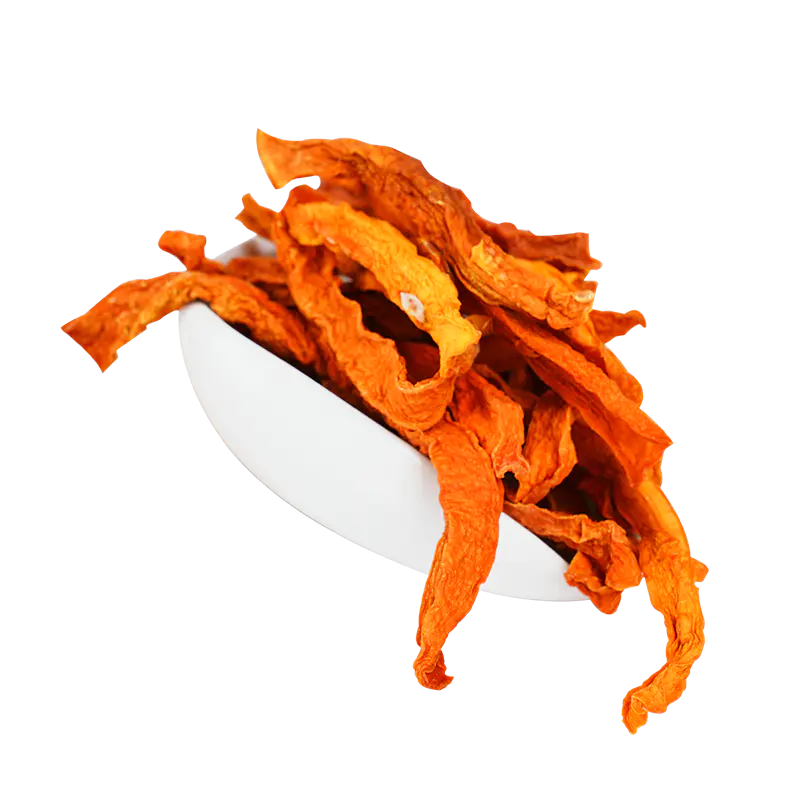
- Vegetables: carrots, spinach, kale, onions, garlic, mushrooms, tomatoes, and pumpkin. Slicing to 3-5 mm and blanching before drying helps preserve colour and shorten drying time.
- Fruits: apples, pears, apricots, and bananas. Their higher sugar content means they need a lower aw target to avoid stickiness and mould.
- Chillies and peppers: drying concentrates heat and flavour; smoke-drying adds another layer but is a separate process.
Foods that do not air dry well include high-fat items such as nuts and avocados, which can turn rancid; thick, watery vegetables such as cucumber and melon, which spoil before they dry; and any food that has already begun to rot. In commercial settings, the decision is often driven by whether the dried product can be rehydrated to a texture the customer expects.
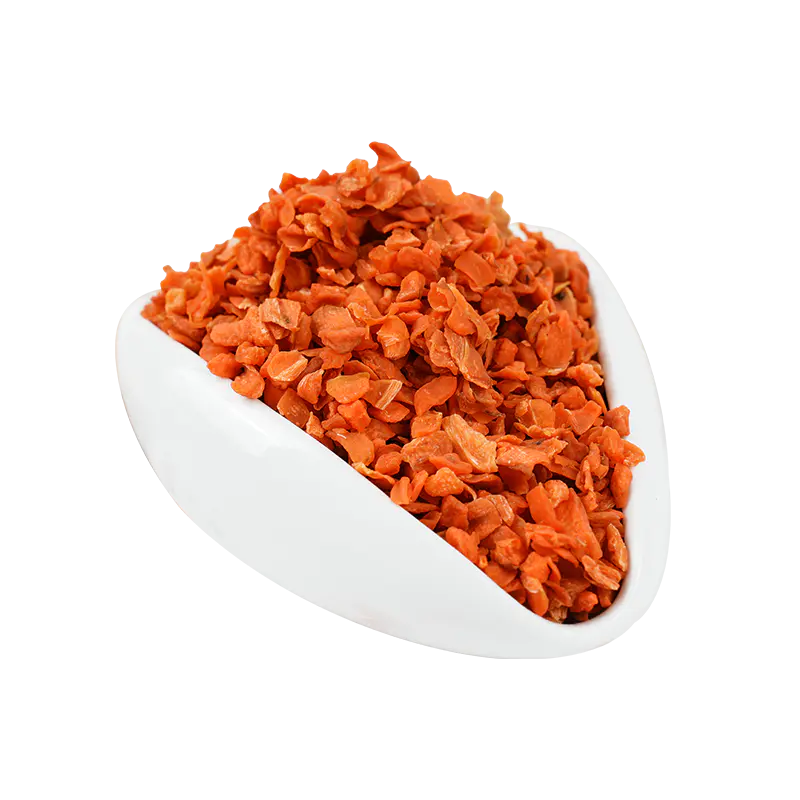 Dehydrated Vegetables for Soups, Ready Meals and Snack MixesExplore dehydrated carrots, spinach, mushrooms, and other cut formats, with specifications for rehydration and application fit.View Product →
For food manufacturers, the same logic applies to sourcing. A dehydrated carrot strip, a spinach flake, and a mushroom piece each have different rehydration curves and breakage rates, so the specification must match the final application, whether that is instant soup, ready meals, or snack mixes.
Quality, Safety, and Shelf Life
Air drying does not sterilise food. It only removes the water that microbes need. That is why safety depends on three controls: a sufficient moisture reduction, a clean drying environment, and packaging that stops reabsorption. If dried food is left in humid air, it will pull moisture back until it reaches equilibrium with the room, and mould can return within days.
Pre-treatment also matters. Blanching vegetables before drying inactivates enzymes that cause browning and off-flavours. Some manufacturers use a dilute citric acid or ascorbic acid dip to protect colour. Sulphur dioxide is used for some fruits and vegetables, but it is restricted in many markets and must be declared on the label. If you want to understand the boundary between a dried ingredient and a fresh one, this explanation of what a dried vegetable really is is a useful reference.
Storage should be in airtight, food-grade packaging, away from light and heat. For long-term storage, oxygen absorbers or nitrogen flushing can slow oxidation. The shelf life of properly dried vegetables is typically 12-24 months, but only if the aw remains below 0.60 and the package stays sealed. Once opened, the product should be used quickly or resealed with a moisture barrier.
What Food Manufacturers Look For in Air-Dried Ingredients
When a food company buys air-dried vegetables or powders, the purchase order usually includes far more than the product name. The specification might cover moisture content, water activity, particle size, colour, microbiological limits, foreign matter, packaging, and country of origin. A missing parameter is a risk that will show up in the finished product.
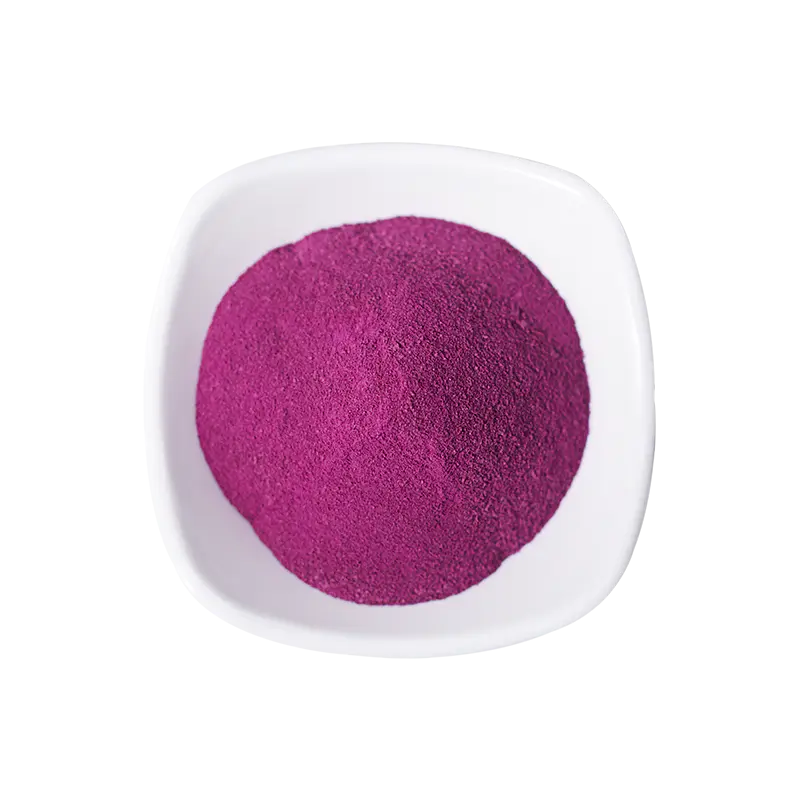 Dehydrated Vegetable and Spice Powders for BlendsReview vegetable and seasoning powders such as tomato, pumpkin, carrot, garlic, and ginger for dispersion, color, and dry-mix performance.View Product →
Powders are a good example. A dehydrated carrot powder and a tomato powder may both be labelled vegetable powder, but they behave differently in a dry mix. Particle size affects dispersion and mouthfeel; colour affects appearance; and hygroscopicity affects how quickly the powder clumps in storage. For that reason, buyers often ask for a sample and a specification sheet before committing to a container load.
Dehydrated Carrots for Soups, Snacks, and Baby FoodBulk and smaller-batch dried carrots that rehydrate for instant soups, seasoning blends, and processed foods without refrigeration.View Product →
Whole or sliced dried vegetables carry different risks. Breakage, rehydration ratio, and uniformity of slice thickness all affect yield and texture. A processor making instant noodles may accept a slightly broken flake if it rehydrates evenly, while a ready-meal manufacturer may require intact pieces for visual appeal. The right question is not whether it is dry, but whether it meets the performance target in the recipe.
Common Mistakes and Buying Risks
Most failures in air drying come from a small number of avoidable mistakes. On the home side, and on the commercial side, the pattern is similar:
- Slicing too thick. Thick pieces dry slowly, case-harden on the outside, and stay moist inside. A 3-5 mm slice is a practical starting point for vegetables.
- Running the dryer too hot. High heat can seal the surface and leave moisture trapped, while also damaging colour and nutrients.
- Packing before cooling. Warm dried food releases moisture as it cools. If it goes into a sealed bag too soon, condensation forms and mould follows.
- Ignoring water activity. A product can feel dry and still support mould if its aw is above 0.60. Measuring aw is the only reliable check.
- Buying on price alone. Cheap dried vegetables may have higher moisture, more foreign matter, or inconsistent colour. Those defects cost more in rejects and complaints than the saving on the invoice.
For buyers, the most common risk is a specification that is too vague. Dried carrot does not say whether the product is diced, strip-cut, or powdered, what moisture limit applies, or how it will be packed. A clear specification protects both sides and reduces the chance of a rejected shipment.
Air drying food is a simple idea with a demanding execution. At home, it is a way to preserve a garden harvest with sun, air, or a dehydrator. In manufacturing, it is a controlled process where temperature, airflow, humidity, and water activity decide whether a batch is safe, consistent, and profitable. Whether you are drying a tray of herbs or sourcing tonnes of dehydrated vegetables, the principle is the same: remove enough water, keep it out, and measure the result.


 Xinqian Village (Dehydrated Fruit and Vegetable Industrial Park), Duotian Street, Xinghua City, Taizhou City, Jiangsu Province, China
 +86-13852647168

