

 English
 中文简体
One clove of fresh garlic weighs roughly 3 grams and yields about half a teaspoon of mince. The same clove is replaced by somewhere between a quarter and half a teaspoon of dried minced garlic, and that spread is the whole problem in miniature: the substitution works, but it is a range rather than a fixed number, and the gap widens as you move from a simmering pot toward a cold vinaigrette.
A reliable starting point is ¼ teaspoon of dried minced garlic per fresh clove, tasted and adjusted upward to ½ teaspoon for long-cooked dishes or coarsely chopped product. Rehydrate it in an equal volume of warm water for 10 to 15 minutes when the texture of fresh mince actually matters; add it dry when the dish already carries enough liquid of its own to soften it.
Content
Conversion Ratios from Dried Minced Garlic to Fresh
The table below is a working range, not a specification. It assumes a standard dried minced garlic of 8 to 16 mesh at 6 to 8 percent moisture. Finer granulation packs more weight into a spoon and pushes the dose toward the lower end of each range; a coarse mince or a flake product sits at the top.
| Fresh garlic | Dried minced garlic | Garlic powder | Typical use |
|---|---|---|---|
| 1 clove (about 3 g) | ¼ to ½ tsp | ⅛ tsp | Everyday cooking, small batches |
| 1 tsp freshly minced | ½ to ¾ tsp, rehydrated | ¼ tsp | Dressings, dips, cold sauces |
| 1 tbsp freshly minced (3 cloves) | 2 to 2½ tsp plus 1 tbsp warm water | ¾ tsp | Soups, stews, fillings |
| 1 head (10 to 12 cloves) | 3 to 4 tbsp | 1½ tbsp | Batch prep, seasoning blends |
Two corrections matter more than the numbers. Dried garlic is sweeter and rounder than fresh, so a dish seasoned to the right pungency with dry product can still taste flat; a little fresh garlic added at the end restores the top note. And because drying has already done part of the cooking, dried garlic added early to a long braise quietly disappears, while the same quantity of fresh garlic still registers after an hour.
Why the Equivalents Drift
Roughly 60 to 65 percent of a garlic clove is water. Removing it concentrates sugars and amino acids, which is where the rounder, faintly roasted sweetness of dried garlic comes from. What it does not preserve is the chemistry behind the bite: allicin only forms when fresh cells are crushed and the enzyme alliinase meets its substrate, and in dried garlic that system has largely already run its course.
Drying temperature therefore shows up in the spoon. Low-temperature dried garlic keeps a sharper, greener pungency; product dried hot tends toward a cooked, almost toasted character and browns faster when bloomed in fat. Granulation matters just as much: a 16-mesh mince rehydrates in about ten minutes, while larger flakes need closer to twenty and will still feel gritty in a sauce that is not blended.
How to Rehydrate Dried Minced Garlic to Mimic Fresh
Rehydration is not complicated, but the water temperature decides how much aroma survives.
- Measure one part dried mince to one part warm water by volume. Around 40 to 50°C is enough; hot tap water works, boiling water does not.
- Let it stand for 10 to 15 minutes, stirring once, until the pieces soften and separate rather than clumping.
- Keep the soaking liquid. It carries much of the water-soluble flavor and belongs in the same dish.
- Add it where fresh garlic would go, or a few minutes earlier in a quick sauté so the residual moisture cooks off instead of steaming the pan.
Boiling water or a short burst in the microwave softens the mince in five minutes, and in a chili or a ragu nobody will notice. In a vinaigrette they will, because the volatile fraction that boiling drives off is exactly the part that makes fresh garlic taste fresh.
Texture Adjustments
- For a smoother mouthfeel in sauces, pulse the rehydrated mince briefly or press it through a fine sieve.
- For a crunchy garnish, skip rehydration and toast the dry mince in a little oil over low heat for 30 to 45 seconds.
- For dressings, rehydrate in the acid component — lemon juice or vinegar — to keep the garlic note brighter.
When Dry Beats Rehydrated
Some applications do not want the water back. Dry rubs, spice blends and seasoning dusts need free-flowing particles; rehydrated mince clumps and shortens a blend's shelf life. Oil-based marinades extract flavor from dry garlic more efficiently than from wet, because the water in fresh product resists the oil. And in anything that simmers for twenty minutes or more — soups, stews, curries, braised meat, tomato sauce — the pan rehydrates the garlic for you, so a separate soaking step only adds a bowl to wash.
Ground meat fillings sit in between: rehydrate first, otherwise dry particles pull moisture out of the meat during cooking and leave a coarse, uneven texture.
Flavor, Color and the Compromises Involved
Expect three differences and plan around them. Pungency drops by roughly a third to a half compared with fresh, depending on drying temperature. Sweetness rises, because concentrating the solids concentrates the sugars. And color darkens slightly in the pan, which is noticeable in pale sauces where fresh garlic would stay invisible.
Bloom dried garlic at a lower pan temperature than you would use for fresh; it browns faster and turns bitter sooner. When a recipe depends on raw garlic heat, such as hummus or aioli, treat dried product as a background note rather than the primary source. We cover the practical trade-offs of the ingredient in more depth in our notes on dehydrated garlic uses, benefits and storage tips.
Buying Dried Minced Garlic in Bulk: What to Check
For food manufacturers, the conversion question is usually a specification question. Two suppliers can both ship "dried minced garlic" and behave nothing alike on a production line, so the purchase order needs to pin down the variables that change dose and behavior.
- Granulation and mesh size, with a stated tolerance and the percentage passing a specified sieve.
- Moisture and water activity, typically 6 to 8 percent moisture and below 0.6 aw for shelf-stable handling.
- Color and odor, assessed against a retained reference sample rather than described in words.
- Microbiology limits and certification scope — ISO 9001, ISO 22000, GAP, organic — with certificate numbers and validity dates.
- Packaging format, inner liner type, and the shelf life declared at 25°C and 60 percent relative humidity.
A supplier able to run different granulations on the same line can usually match a target mesh more closely than one selling a single standard cut, which matters when you have already validated a rehydration time against a reference sample. The standard grade we produce is listed here:
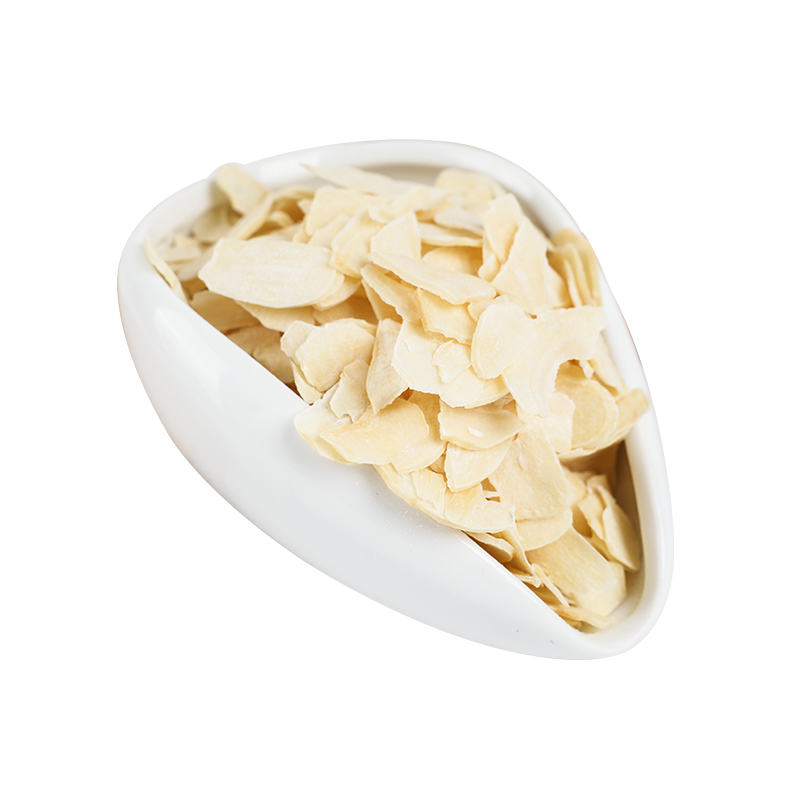 Standard Grade Dehydrated Garlic for RehydrationA shelf-stable dehydrated garlic ingredient in standard granulation, suited to recipes where the garlic should rehydrate and match an established mesh reference.View Product →
Where a formula needs the garlic to disperse rather than visibly rehydrate, the powder grade fits better, since it hydrates almost instantly and carries no grit:
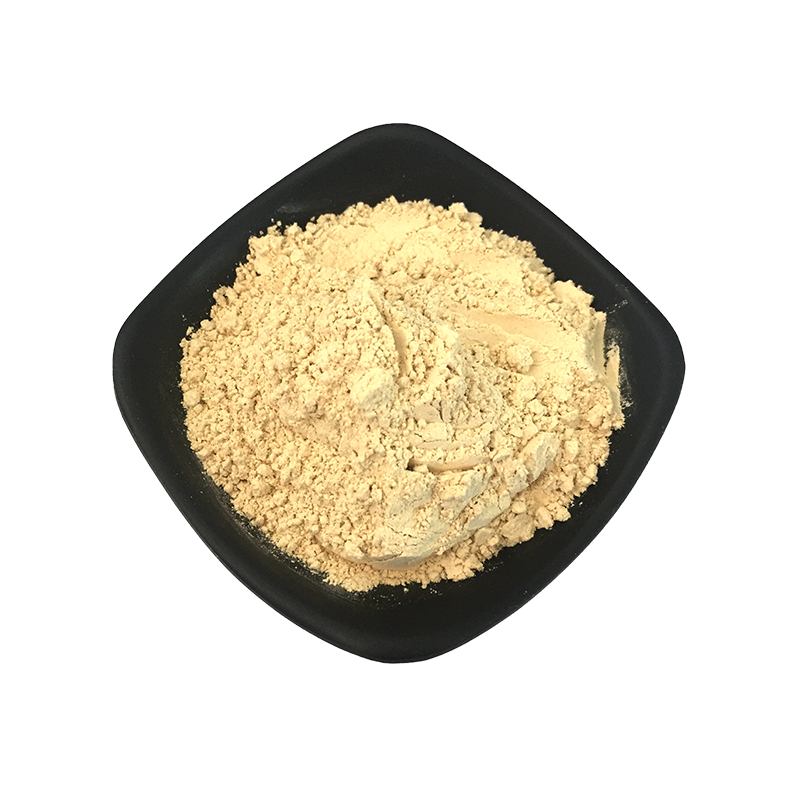 Dehydrated Garlic Powder for Quick DispersionFinely ground dehydrated garlic that hydrates almost instantly and carries no grit, useful when a formula needs garlic to disperse rather than visibly rehydrate.View Product →
Storage and Safety After Rehydration
Rehydrated garlic is a wet, low-acid product and should be handled like fresh mince. Refrigerate it within two hours, keep it submerged, and use it within three to four days. Do not hold garlic in oil at room temperature: it creates the anaerobic, low-acid conditions Clostridium botulinum needs, and that risk is real rather than theoretical. Refrigerated oil infusions should be used within a few days, and any garlic-in-oil product intended for shelf storage needs an acidified or otherwise validated process.
The dry product is more forgiving. Keep it airtight, below 25°C and away from light; 18 to 24 months is typical, but opened cartons pick up moisture and odors quickly, so decant working quantities and reseal the bulk.
The honest summary is that dried minced garlic to fresh is a directional conversion, not an equation. Start at ¼ teaspoon per clove, taste at the ten-minute mark rather than at the end, and adjust from there. If you cook the same dishes repeatedly, calibrate once against your own supply — weigh a teaspoon of the dried mince, rehydrate a fixed sample, and note how it performs — because the difference between one supplier's 8-mesh and another's 16-mesh is larger than most published equivalents admit.


 Xinqian Village (Dehydrated Fruit and Vegetable Industrial Park), Duotian Street, Xinghua City, Taizhou City, Jiangsu Province, China
 +86-13852647168

