

 English
 中文简体
中文简体Content
How Dehydrated Vegetable Powders Are Made
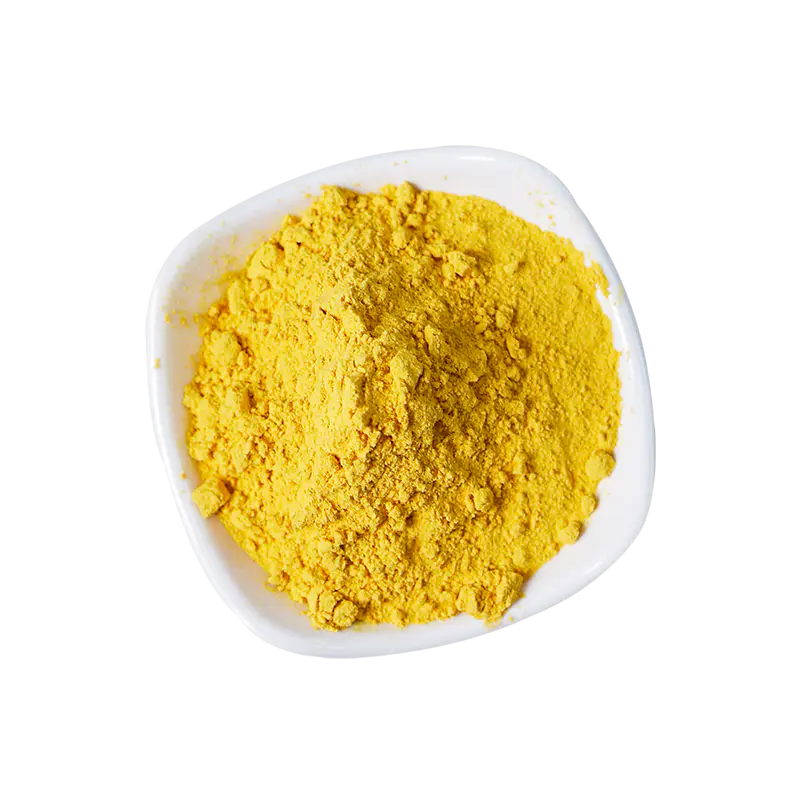
Dehydrated vegetable powders begin their production journey with fresh, high-quality vegetables selected at peak ripeness, when nutrient density and flavor compounds are at their highest concentration. The manufacturing process is more technically involved than simply drying and grinding — each step is engineered to preserve as much of the vegetable's original nutritional profile, color, and taste as possible while reducing moisture content to levels that prevent microbial growth and enzymatic degradation.
After harvesting and washing, vegetables are typically blanched briefly in hot water or steam. Blanching deactivates enzymes that would otherwise continue breaking down color pigments and nutrients even during drying. This step is particularly important for green vegetables like spinach and broccoli, where chlorophyll preservation directly affects the powder's visual appeal and market value. Following blanching, excess surface moisture is removed before the material enters the drying stage.
Three drying methods dominate commercial production of vegetable powder, each with distinct effects on the final product's quality. Spray drying atomizes a liquid vegetable slurry into fine droplets that are exposed to a stream of hot air, producing a very fine, free-flowing powder quickly and at relatively low cost — though some heat-sensitive vitamins are partially degraded. Freeze drying (lyophilization) removes moisture through sublimation under vacuum at low temperatures, preserving volatile flavor compounds and heat-sensitive nutrients far more effectively, but at significantly higher energy and equipment cost. Drum drying and air drying represent intermediate options used for less delicate vegetables. After drying, the material is milled and sieved to achieve a consistent particle size, then packaged under nitrogen or vacuum to prevent oxidation during storage.
Nutritional Profile and What Processing Retains
A common question among food manufacturers and health-conscious consumers is how much nutrition survives the dehydration process. The honest answer depends significantly on which drying method is used, the vegetable type, and how the powder is subsequently stored. However, across most commercially available dehydrated vegetable powders, the nutritional case remains strong — particularly for certain nutrient classes.
Dietary fiber is one of the most stable components through dehydration. Both soluble and insoluble fiber fractions survive intact regardless of the drying method, making vegetable powder a meaningful fiber source in formulations such as high-fiber crackers, protein bars, and functional beverages. Since water is removed but fiber content is concentrated, a relatively small amount of powder can deliver a significant fiber contribution per serving.
Essential minerals including potassium, magnesium, calcium, and iron are similarly stable through dehydration, as they are not heat-sensitive or volatile. Carotenoids such as beta-carotene in carrot powder and lycopene in tomato powder also survive well and are even more bioavailable in processed forms because cell wall disruption during grinding improves their accessibility. Vitamin C and B-group vitamins are the most vulnerable to heat degradation — freeze-dried vegetable powders retain significantly more of these than spray-dried alternatives, which is why freeze-dried formats command premium pricing in the nutraceutical sector.
Nutrient Retention by Drying Method
|
Comparative nutrient retention across common drying methods used in vegetable powder production |
|||
|
Nutrient Type |
Spray Drying |
Freeze Drying |
Air / Drum Drying |
|
Dietary Fiber |
Excellent |
Excellent |
Excellent |
|
Minerals |
Excellent |
Excellent |
Good |
|
Carotenoids |
Good |
Excellent |
Moderate |
|
Vitamin C |
Moderate |
Excellent |
Low |
|
Flavor Compounds |
Moderate |
Excellent |
Moderate |
Practical Applications Across Food and Supplement Industries
The versatility of dehydrated vegetable powders makes them one of the most widely applied ingredients in modern food manufacturing. Their compact, lightweight physical form means they dissolve or disperse readily in liquid systems and blend evenly into dry mixes — all without altering the texture of the finished product, which is a critical requirement for many formulations where mouthfeel must remain consistent.
Soups, Sauces, and Seasoning Blends
Instant soups and dehydrated sauce mixes represent one of the largest volume applications for vegetable powder. Tomato powder, onion powder, garlic powder, and celery powder form the flavoring backbone of countless dry soup sachets and bouillon products worldwide. Their concentrated flavor intensity means that small addition rates — typically 1–5% of the dry mix by weight — deliver significant taste impact. In snack seasonings, blends of dehydrated vegetable powders are dusted onto chips, crackers, and extruded snacks to deliver savory, herbaceous, or umami flavor profiles that would be impossible to achieve with liquid flavorings in a dry coating application.
Smoothies, Health Supplements, and Functional Foods
The health and nutrition sector has driven substantial growth in premium dehydrated vegetable powders, particularly greens powders combining spinach, kale, broccoli, wheatgrass, and spirulina. These products are marketed directly to consumers as convenient ways to increase vegetable intake without preparing fresh produce. In ready-made meal formulations and meal replacement shakes, vegetable powder contributes both nutritional density and natural color — eliminating the need for synthetic colorants in products positioned as clean-label. Manufacturers also incorporate individual powders such as beetroot, carrot, and red pepper into functional foods targeting specific health benefits, leveraging their antioxidant and phytonutrient content.
Bakery, Pasta, and Noodle Products
Spinach powder and beetroot powder are widely used in pasta and noodle production to create visually distinctive green and red varieties without artificial dyes. In bakery applications, vegetable powders are incorporated into bread doughs, crackers, and savory biscuits to add nutritional value and subtle flavor complexity. Because dehydrated vegetable powder disperses evenly through dry dough systems, it integrates cleanly into the matrix without creating wet spots or texture inconsistencies.
Storage, Shelf Life, and Handling Best Practices
One of the most commercially significant advantages of dehydrated vegetable powders over fresh or frozen vegetables is their extended shelf life. Properly produced and packaged vegetable powder with a moisture content below 5% and water activity below 0.5 can achieve shelf lives of 12 to 36 months depending on the vegetable type, packaging format, and storage conditions. This dramatically reduces cold chain dependency and waste throughout the supply chain — a major cost and logistics advantage for food manufacturers operating across international markets.
However, realizing the full shelf life potential of vegetable powder requires proper handling at every stage. The key enemies of powder stability are moisture, oxygen, light, and heat — each of which accelerates color degradation, flavor loss, and vitamin breakdown. The following practices are essential for maintaining quality from warehouse to production floor:
- Packaging under nitrogen or vacuum:Oxygen-free packaging prevents oxidative rancidity and carotenoid degradation. Multi-layer foil pouches or drums with oxygen absorbers are standard for premium grades.
- Storage temperature below 25°C:Cooler storage significantly extends stability, particularly for vitamin C retention. Warehouse temperatures above 30°C noticeably accelerate quality decline.
- Minimize exposure time after opening:Once a container is opened, moisture from ambient air begins to raise the water activity of the powder. Resealing immediately and using within a defined period prevents caking and microbial risk.
- FIFO inventory rotation:First-in, first-out stock management ensures older inventory is used before newer deliveries, preventing any batch from exceeding its intended shelf life in storage.
- Avoid temperature cycling:Repeated warming and cooling of stored powder causes condensation inside packaging, raising moisture content and accelerating degradation even in sealed containers.
Selecting the Right Vegetable Powder for Your Application
With dozens of vegetable powder varieties available commercially — ranging from commodity products like onion and garlic powder to specialty items like purple sweet potato and moringa — selecting the right product for a specific application requires clarity on several parameters beyond just vegetable type.
Particle size is a frequently overlooked specification that significantly affects application performance. Fine powders below 80 mesh dissolve more readily in liquid systems and disperse more evenly in dry blends, while coarser grades may be preferred in applications where visible vegetable particulates contribute to product appearance. Color specification is equally important — suppliers should provide colorimetric data (L*, a*, b* values) so manufacturers can ensure batch-to-batch consistency in finished products where color is a quality indicator.
For health supplement and nutraceutical applications, requesting certificates of analysis (COA) that confirm active compound concentrations — such as allicin content in garlic powder or beta-carotene levels in carrot powder — ensures the ingredient delivers the nutritional potency claimed on the finished product label. Organic certification, non-GMO status, and allergen declarations are additional procurement checklist items for manufacturers targeting health-conscious or regulated consumer markets. Establishing a clear supplier qualification process, including facility audits and microbiological testing standards, is the foundation for consistent quality across every delivery of dehydrated vegetable powders used in production.
 Previous

 Xinqian Village (Dehydrated Fruit and Vegetable Industrial Park), Duotian Street, Xinghua City, Taizhou City, Jiangsu Province, China
 +86-13852647168
