

 English
 中文简体
中文简体Content
- 1 What Are Dehydrated Vegetables and Why Do Buyers Choose Them?
- 2 The Full Range: Types of Dehydrated Vegetables Available in Bulk
- 3 Cut Formats: Matching Product Form to Application
- 4 Key Industries and Applications for Bulk Dried Vegetables
- 5 What to Look for When Sourcing Bulk Dehydrated Vegetables
- 6 Dehydrated Vegetables vs. Freeze-Dried vs. Frozen: A Practical Comparison for Buyers
- 7 Storage and Rehydration Best Practices
- 8 Market Trends Driving Bulk Dehydrated Vegetable Demand
What Are Dehydrated Vegetables and Why Do Buyers Choose Them?
Dehydrated vegetables are fresh vegetables that have undergone controlled moisture removal — reducing water content by 80–95% — to produce shelf-stable ingredients that retain much of their original flavor, color, fiber, and mineral content. The result is a lightweight, concentrated product that can be stored at ambient temperature for months to years without refrigeration.
For food manufacturers, foodservice operators, and bulk ingredient buyers, the value of dehydrated vegetables extends well beyond convenience. They offer consistent quality, year-round availability, predictable pricing, and dramatically reduced logistics costs compared to fresh produce. A ton of fresh onions, once dehydrated, yields roughly 100–120 kg of dried product — cutting freight and warehousing overhead by up to 85%.
Whether sourcing for instant soup production, snack seasoning lines, ready meal manufacturing, or bulk pantry supply, dehydrated vegetables represent one of the most operationally efficient ingredient categories available in the global food supply chain.
The Full Range: Types of Dehydrated Vegetables Available in Bulk
The bulk dried vegetables category encompasses a wide variety of products, each available in multiple cut formats — dices, flakes, granules, slices, and powders — to suit specific manufacturing or culinary applications.
Allium Vegetables
Dehydrated garlic and dehydrated white onions are the highest-volume products in the bulk dried vegetables market globally. Available as powder, granules, minced, flakes, and slices, they are foundational ingredients in seasoning blends, processed meats, soups, sauces, and snack coatings. Dehydrated spring onion is increasingly in demand as a garnish and flavor element in instant noodles, Asian-style sauces, and packaged rice dishes.
Peppers and Chilies
Dehydrated red bell peppers and dehydrated green bell peppers are widely used in pasta sauces, pizza toppings, ready meals, and rice mixes for both flavor and visual appeal. Dehydrated chili and chili powder serve critical roles in spice blends, marinades, and snack seasonings, while field run bell pepper provides a cost-effective mixed-color option for large-volume applications. Dehydrated paprika — ranging from sweet to smoked — is valued for its deep red pigment and mild heat, functioning as both a flavoring and a natural colorant.
Root and Starchy Vegetables
Dehydrated carrots are among the most versatile bulk dried vegetables — used in soups, baby foods, mixed vegetable blends, and snacks. Their high beta-carotene content and natural sweetness make them especially valuable in nutritionally positioned products. Dehydrated red beets serve a dual role as both a flavor ingredient and a natural colorant, with their betalain pigment widely used in beverages, confectionery, and yogurt applications.
Leafy Greens and Brassicas
Dehydrated spinach and dehydrated kale are cornerstones of the health supplement and functional food sectors, contributing iron, calcium, magnesium, and chlorophyll in concentrated powder or flake form. Dehydrated broccoli has grown significantly in demand driven by its sulforaphane content and the broader consumer shift toward cruciferous vegetable ingredients. Dehydrated cabbage is a staple in instant ramen, kimchi-flavored products, and coleslaw seasoning blends.
Other Key Bulk Vegetables
Dehydrated celery is a classic soup base ingredient, delivering aromatic depth to broths and seasoning mixes. Dehydrated corn and dehydrated peas are staples in instant soup kits, dehydrated meal systems, and mixed vegetable blends for their familiar flavor and reliable rehydration performance. Dehydrated zucchini is gaining traction in pasta alternatives, vegetable chips, and low-carb product lines. Dehydrated mushrooms — including porcini — provide premium umami depth in soups, gravies, sauces, and plant-based formulations. Dehydrated white asparagus and dehydrated green asparagus serve specialty applications in gourmet soups, high-end ready meals, and European market products. Dehydrated chives round out the range, widely used as garnish and flavoring in dairy-based products, dips, sour cream, and baked goods.
Cut Formats: Matching Product Form to Application
Selecting the correct cut format is as important as selecting the right vegetable. Each format delivers different functional outcomes in the end product.
| Format | Description | Best Applications |
|---|---|---|
| Powder | Finely milled, <80 mesh | Seasoning blends, sauces, supplements, coatings |
| Granules | Coarser than powder, free-flowing | Spice blends, tabletop seasonings, dry rubs |
| Flakes | Thin, irregular flat pieces | Soups, toppings, dry mixes, instant noodles |
| Dices | Uniform cubed pieces (3–10mm) | Ready meals, stews, visible vegetable inclusion |
| Slices / Strips | Larger cut, preserves shape | Premium soups, stir-fry mixes, gourmet products |
| Minced | Finely chopped, between granule and dice | Sauces, meat products, marinades |
A mismatch between cut format and application is one of the most common sourcing errors in bulk dried vegetable procurement. Powder in a recipe expecting visible vegetable pieces, or large dices in a fine seasoning blend, will both create quality and processing problems that are difficult to correct after purchase.
Key Industries and Applications for Bulk Dried Vegetables
Bulk dried vegetables serve a remarkably broad range of commercial applications. Understanding where each product type fits helps procurement teams make sourcing decisions that align with formulation requirements and budget targets.
Instant and Convenience Foods
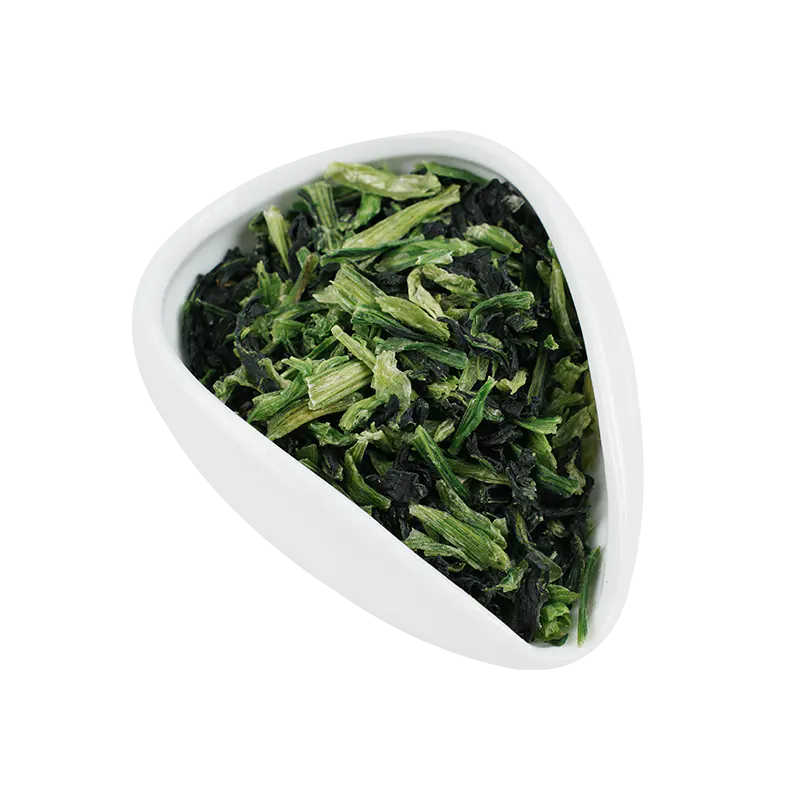
This is the largest single application segment for bulk dehydrated vegetables. Instant noodles, cup soups, dehydrated meal kits, and instant rice dishes all rely on dried vegetable sachets or pre-blended vegetable mixes. Products like dehydrated carrots, peas, corn, cabbage, and spring onion are standard components of these formats, chosen for their fast rehydration, consistent color, and familiar flavor profiles.
Seasoning and Spice Manufacturing
Garlic powder, onion powder, paprika, chili powder, and other vegetable-derived powders form the backbone of most commercial seasoning blends. In this sector, color consistency, moisture specification, and particle size uniformity are critical quality parameters, as variations directly affect flavor delivery and coating performance in snack and seasoning applications.
Processed Meat and Dairy
Dehydrated onion, garlic, chives, and mixed vegetable flakes are extensively used in sausages, burger patties, deli products, flavored cheeses, sour cream, and dip formulations. Their concentrated flavor, low moisture, and microbiological stability make them well-suited for inclusion in products where fresh ingredients would compromise shelf life or processing parameters.
Health Supplements and Functional Foods
Spinach, kale, broccoli, beet, and mixed greens powders are foundational ingredients in the fast-growing greens supplement and functional nutrition categories. These products are incorporated into capsules, protein blends, smoothie powders, and health bars as concentrated sources of micronutrients, phytonutrients, and natural pigments.
Bakery, Pasta, and Snacks
Vegetable powders add natural color, flavor, and a nutritional story to baked goods, colored pasta, crackers, and vegetable chips without requiring reformulation of moisture balance. Spinach pasta, beetroot bread, and chili-seasoned snacks are well-established commercial formats in this space.
Foodservice and Catering
Large-scale catering, institutional kitchens, and contract food production operations use bulk dried vegetables to reduce prep labor, manage portion consistency, and eliminate cold chain dependency. For high-volume soup production, sauce bases, and rice dishes, dehydrated vegetables offer a practical alternative to fresh produce without compromising the end product quality that diners expect.
What to Look for When Sourcing Bulk Dehydrated Vegetables
For B2B buyers, quality in bulk dried vegetables is defined by a specific set of measurable parameters — not simply appearance or price. Sourcing decisions should be anchored to documented product specifications and supplier verification.
Moisture Content
Moisture content is the single most important shelf life determinant for any dehydrated vegetable product. Most specifications target ≤5–8% moisture depending on the vegetable type. Out-of-specification moisture leads to caking, accelerated microbial risk, and reduced shelf life — problems that manifest during storage rather than at the point of receipt, making this a critical inbound inspection parameter.
Color Specification
Color is both a quality indicator and a functional requirement for many applications. Reliable suppliers provide colorimetric data using the CIE L*a*b* system with agreed tolerance ranges per batch. Products showing significant color deviation from specification — whether through over-drying, oxidation, or raw material variability — will create visual inconsistency in finished products.
Microbiological Standards
All bulk dried vegetable suppliers should provide testing documentation covering total aerobic plate count, yeast and mold counts, and pathogen absence (Salmonella, E. coli O157:H7). For products destined for ready-to-eat applications or direct addition without further cooking, tighter microbial limits and additional pathogen testing may be required.
Pesticide Residues and Heavy Metals
Import regulations in the EU, US, Japan, and other key markets set strict Maximum Residue Level (MRL) requirements for pesticides in dehydrated vegetables. Because dehydration concentrates residues alongside nutrients, the effective MRL for dried product is calculated differently from fresh — buyers should confirm that suppliers test to the applicable dried-weight standard for the destination market. Heavy metal screening (lead, cadmium, arsenic, mercury) is equally important, particularly for root vegetables and leafy greens.
Certifications and Compliance
Suppliers operating under FSSC 22000, BRC Global Standard, or ISO 22000 demonstrate systematic food safety management. For organic-positioned products, valid chain-of-custody certification from an accredited body is non-negotiable. Halal and Kosher certification may additionally be required depending on end market and customer requirements.
Packaging Integrity for Bulk Supply
Bulk dehydrated vegetables should be packed in multi-layer moisture-barrier bags (inner PE liner with kraft outer), metallized foil bags, or food-grade fiber drums. Nitrogen flushing is recommended for powders and fine-cut products to prevent oxidation during transit and storage. Packaging should clearly display lot number, production date, best-before date, and net weight for traceability purposes.
Dehydrated Vegetables vs. Freeze-Dried vs. Frozen: A Practical Comparison for Buyers
Procurement teams evaluating vegetable ingredient options frequently compare these three preservation methods. Each has a distinct position in terms of cost, quality, and application fit.
| Factor | Dehydrated | Freeze-Dried | Frozen |
|---|---|---|---|
| Shelf Life | 1–3 years ambient | 3–5+ years ambient | 12–24 months frozen |
| Storage Requirement | Ambient (cool, dry) | Ambient (sealed) | −18°C cold chain |
| Logistics Cost | Low | Low–Medium | High (cold chain) |
| Nutrient Retention | Good (minerals, fiber) | Excellent (all nutrients) | Very good |
| Cost per kg | Lowest | Highest | Medium |
| Best For | Cooking, blends, seasoning, bulk supply | Premium products, fast rehydration | Fresh-like texture, retail |
For the majority of bulk food manufacturing applications — soups, seasoning blends, ready meals, and ingredient supply — dehydrated vegetables deliver the most favorable cost-to-performance ratio. Freeze-dried products are the right choice when premium texture, rapid rehydration, or maximum nutrient retention justifies the cost premium. Frozen vegetables remain the best option where fresh-like texture is essential and cold chain infrastructure is available.
Storage and Rehydration Best Practices
Correct storage is essential to preserving the quality and shelf life that bulk dried vegetables are procured for. Core storage requirements apply across all product types:
- Temperature: store below 25°C; lower temperatures extend shelf life further
- Humidity: relative humidity below 60%; moisture ingress is the primary quality risk for all dehydrated products
- Light exposure: store away from direct sunlight; UV accelerates color degradation in paprika, beet, and other pigment-rich products
- Odor isolation: dried vegetables readily absorb ambient odors; avoid co-storage with strongly scented chemicals or products
- Stock rotation: strict FIFO (first in, first out) management ensures oldest inventory is used first
For rehydration in manufacturing contexts, the optimal approach depends on the final application. Products added to soups, stews, or other high-moisture dishes typically rehydrate adequately during cooking without pre-soaking. For cold applications or where precise texture is required, a pre-soak in warm water at a ratio of approximately 1 part dried vegetable to 6–8 parts water by weight is a reliable starting point, with adjustment based on the specific vegetable type and desired texture outcome.
Market Trends Driving Bulk Dehydrated Vegetable Demand
Several structural trends are reinforcing sustained growth in demand for bulk dried vegetables across global markets through the remainder of this decade:
- Clean-label reformulation — food manufacturers replacing synthetic colors, artificial flavors, and chemical preservatives with vegetable-derived alternatives, driving demand for paprika, beet, spinach, and carrot powders as natural functional ingredients
- Plant-based food expansion — the continued growth of plant-based meat alternatives, vegan ready meals, and vegetable-forward snack categories creates substantial new demand for concentrated vegetable flavor, color, and texture solutions in dehydrated form
- Supply chain resilience investment — post-pandemic procurement strategies increasingly favor ambient-stable ingredients with long shelf life to reduce exposure to fresh produce supply disruptions and cold chain failures
- Health and functional nutrition growth — rising consumer demand for vegetable-rich, nutrient-dense products across supplements, functional foods, and better-for-you snacks drives ingredient sourcing toward concentrated vegetable powders and blends
- Sustainability and food waste reduction — dehydration of surplus or cosmetically imperfect fresh produce reduces agricultural waste while creating value-added ingredients, aligning with circular economy commitments increasingly required by retail customers and regulators
For procurement teams and product developers evaluating their ingredient supply strategy, bulk dehydrated vegetables offer a combination of supply stability, formulation flexibility, and cost efficiency that few other ingredient categories can match. From dehydrated garlic and dehydrated onions to dehydrated spinach, dehydrated broccoli, and custom dehydrated vegetable blends, a well-structured bulk dried vegetable supply relationship delivers consistent quality that supports scalable food production over the long term.
 Previous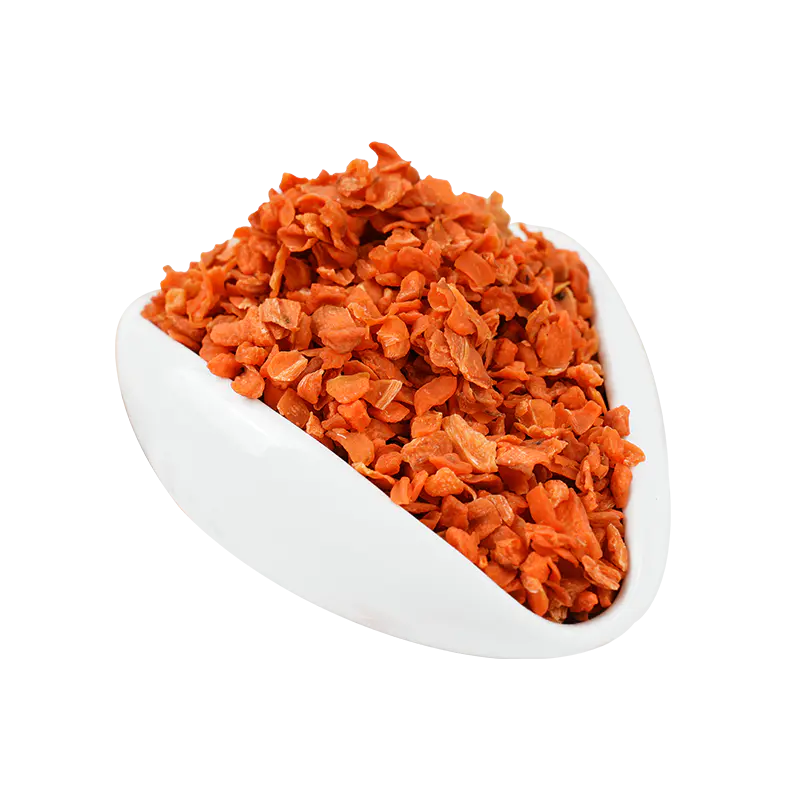


 Xinqian Village (Dehydrated Fruit and Vegetable Industrial Park), Duotian Street, Xinghua City, Taizhou City, Jiangsu Province, China
 +86-13852647168
